 AIRPRO SOLUTIONS
AC Installation in Los Angeles and Southern California
Replacing an aging system or adding cooling for the first time? AIRPRO SOLUTIONS evaluates your property, sizes the system to its actual load, and talks through your options with you, for homes and businesses across Los Angeles, the South Bay, Orange County, and the Inland Empire.
- Licensed HVAC contractor
- Residential and commercial
- Services all major HVAC brands
- 4 Southern California regions
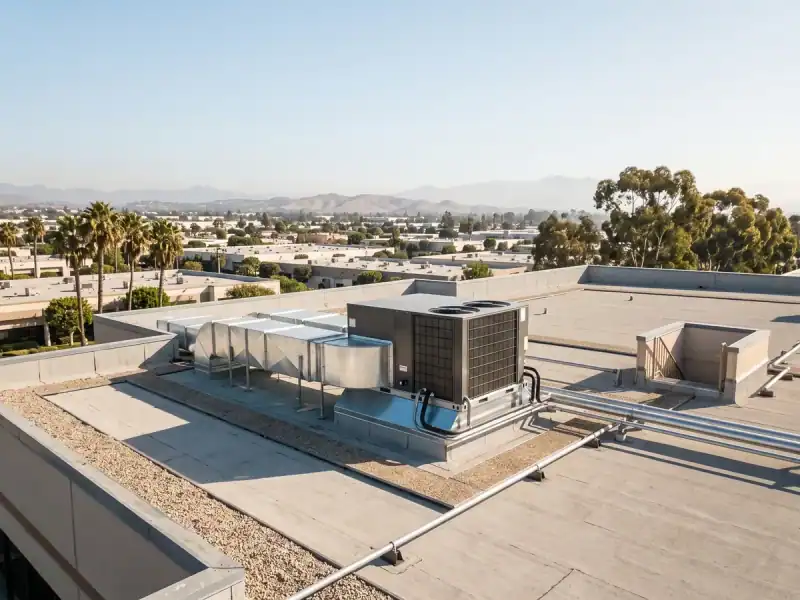 AC installation for homes and businesses
Quick answer
AC installation is a planned project that starts with an on-site evaluation, not an equipment price. A technician inspects the property and recommends a system sized to it, and your options and next steps are discussed with you.
Across Southern California
How local conditions shape AC installation
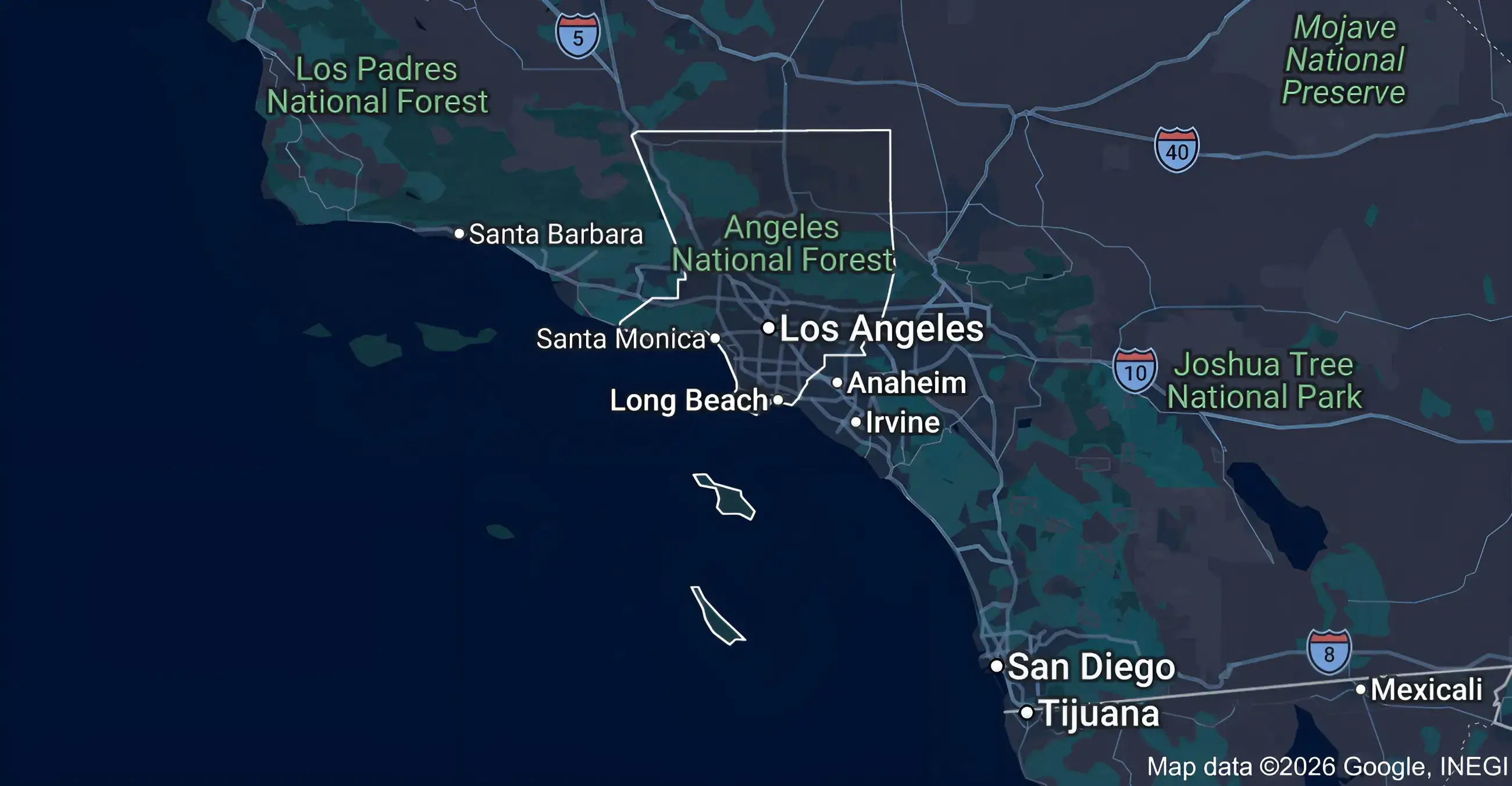
Los Angeles County. The county spans dense neighborhoods, coastal communities, valleys, and foothills, with single-family homes, multifamily housing, and commercial properties. Equipment selection follows the building envelope, ducts, occupancy, orientation, electrical capacity, and load calculation.
South Bay. Torrance and nearby South Bay communities are coastal or near-coastal compared with inland Southern California, so we do not assume an inland cooling load. Each system is designed from the property's own measurements.
Orange County. Orange County includes coastal and inland communities with different temperature patterns and a mix of detached homes, condos, multifamily buildings, hospitality, retail, office, and industrial properties. HOA rules for outdoor equipment vary by property.
Inland Empire. Inland communities see much hotter summers, so cooling design matters. Capacity still comes from a load calculation for the property, not from a city name.
AC installation facts
- Sizing
- Set by a heating and cooling load calculation, not by square footage or the size of the old unit
- Energy Code
- California's 2025 Energy Code took effect January 1, 2026. Split-system central AC must meet at least 14.3 SEER2
- Incentives
- LADWP, Southern California Edison, and TECH Clean California list programs. Eligibility and funding change, and no rebate is guaranteed
Sources: U.S. EPA - HFC phasedown FAQ, California Energy Commission - 2025 Energy Code effective January 1, 2026, U.S. DOE Building America - HVAC equipment sizing
Cities we serve
Where we do this
Local pages for the cities we serve across Southern California.
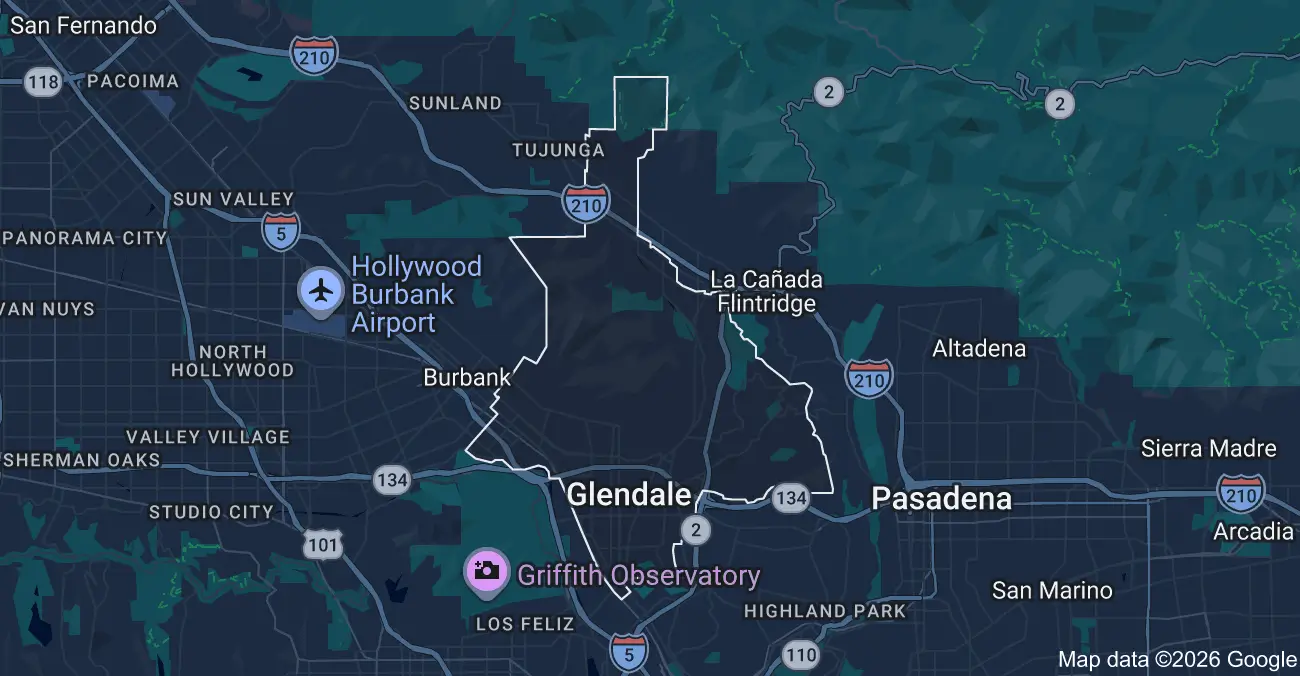
Glendale
Has its own AC replacement code page and zone noise limits, with 60.9% multifamily housing (2018).
View area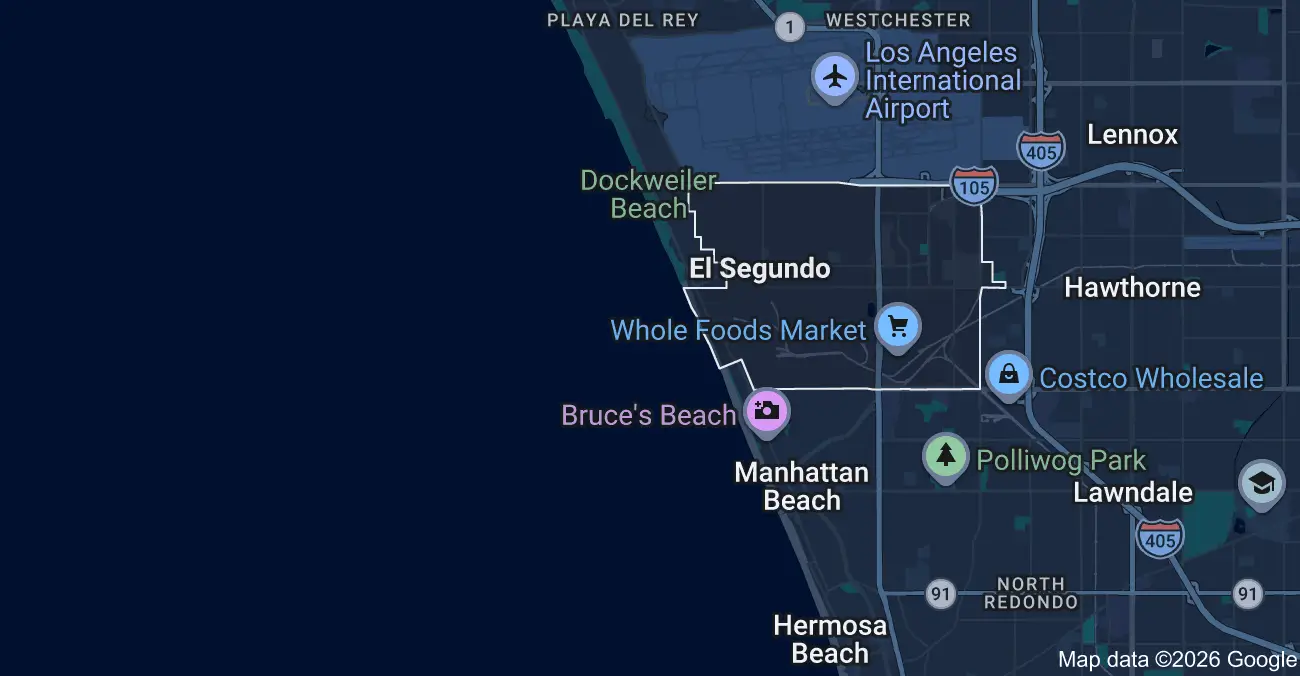
El Segundo
Aerospace and deep-tech businesses, per the City’s economic-development site. The 2025 California Mechanical Code applies with local amendments.
View area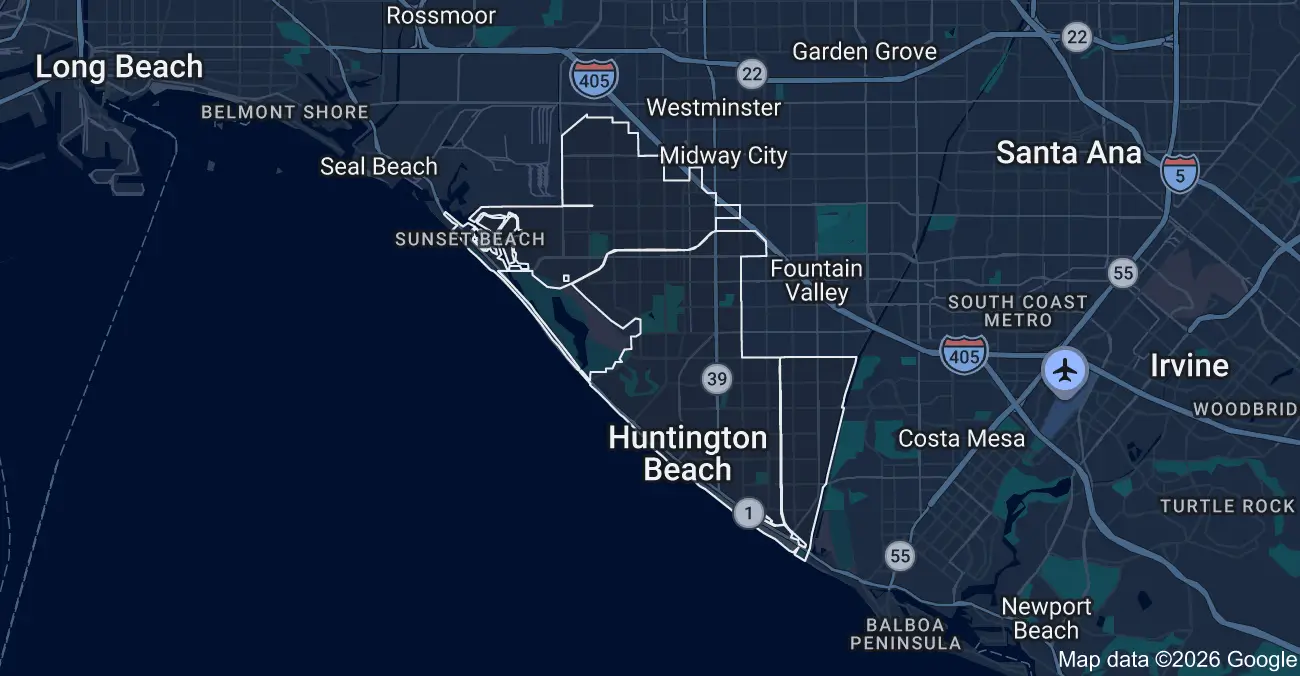
Huntington Beach
Coastal city where detached homes are 47.9% of housing (SCAG, 2018) and 43.5% of housing was built before 1970 (SCAG, 2017 American Community Survey). Mechanical permits run through the Permit Center and the HB ACA online portal.
View area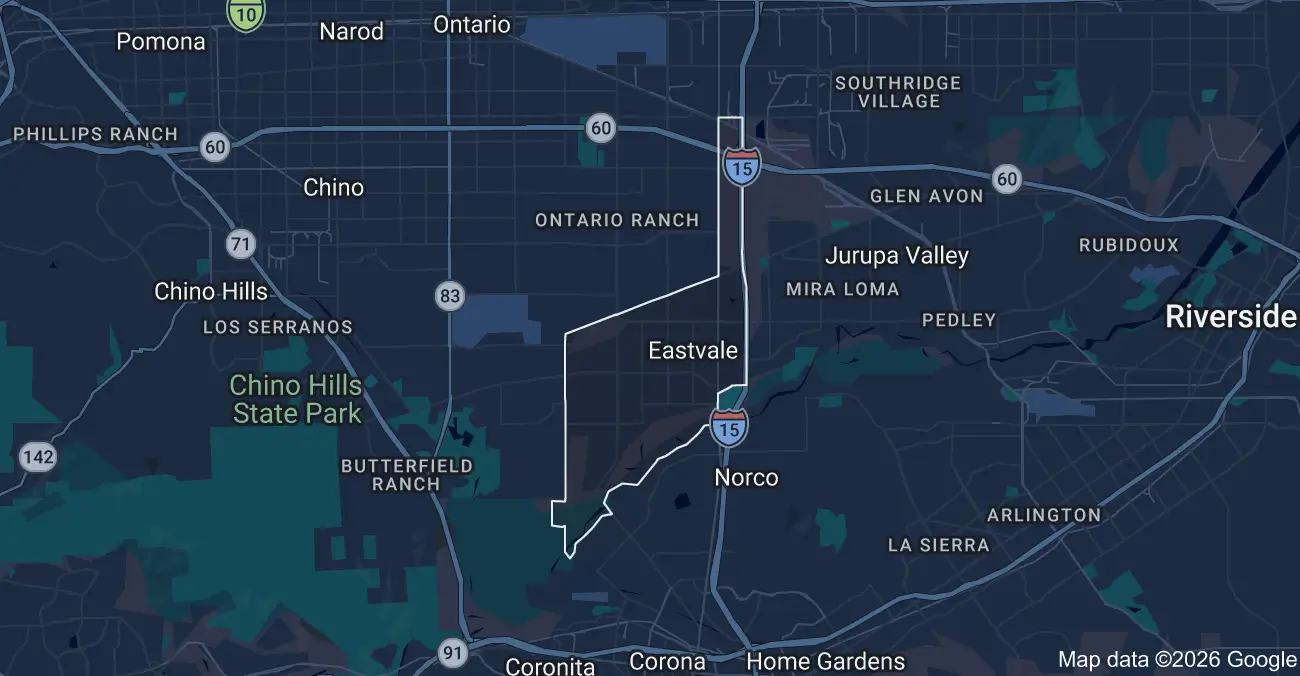
Eastvale
The City's Building Safety page says most permit types can be submitted online through the Eastvale Permit Portal, and its FAQ says permits are required to replace mechanical systems but does not name air conditioner replacement. QuickFacts reports a 78.0% owner-occupied housing unit rate for 2020 to 2024.
View area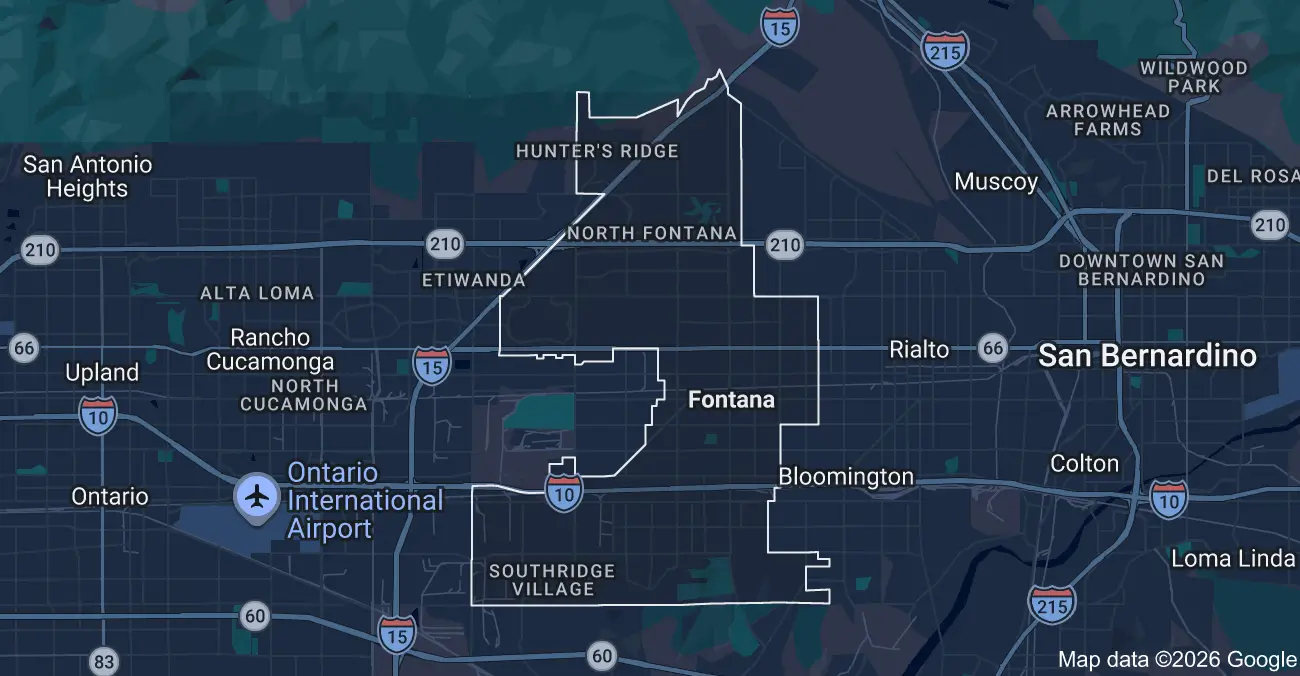
Fontana
The City's Codes and Local Amendments page lists the 2025 California Mechanical Code and the 2025 California Energy Code, and none of the City pages we read says whether replacing an air conditioner needs a permit. QuickFacts reports a 66.8% owner-occupied housing unit rate for 2020 to 2024. We confirm the current steps with the City.
View area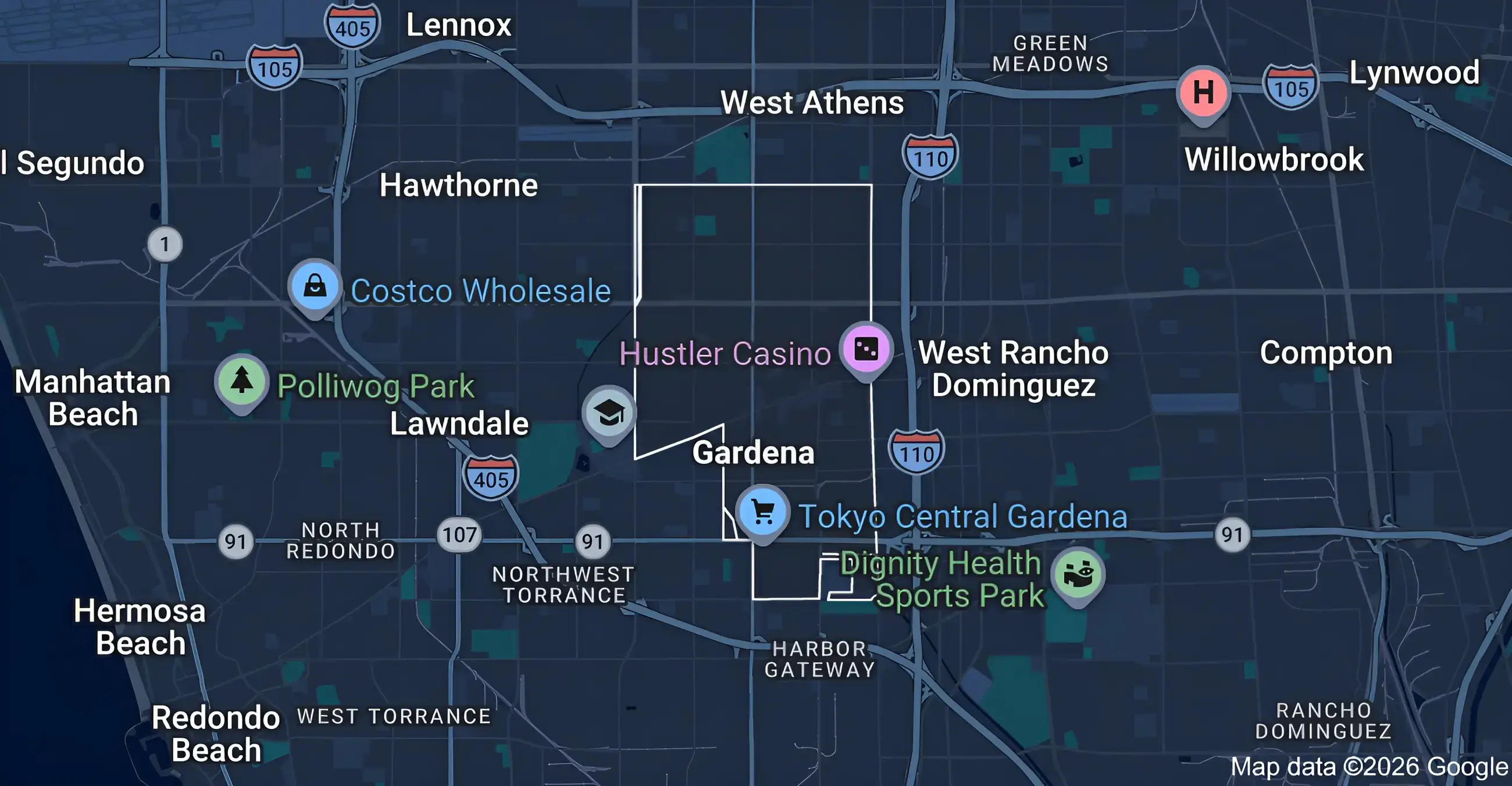
Gardena
HVAC and forced-air unit permits are over-the-counter types and need CF1R forms.
View area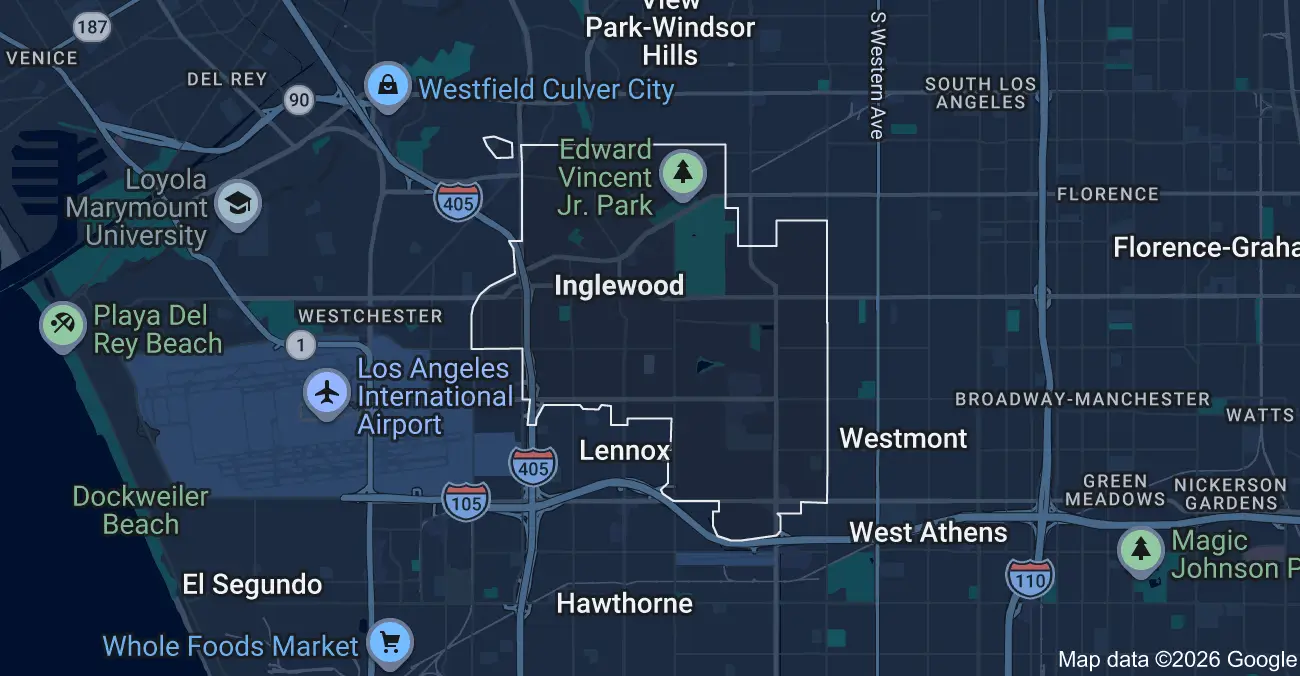
Inglewood
Has its own Building Safety Division and online permit portal, with 55.3% multifamily housing (2018).
View area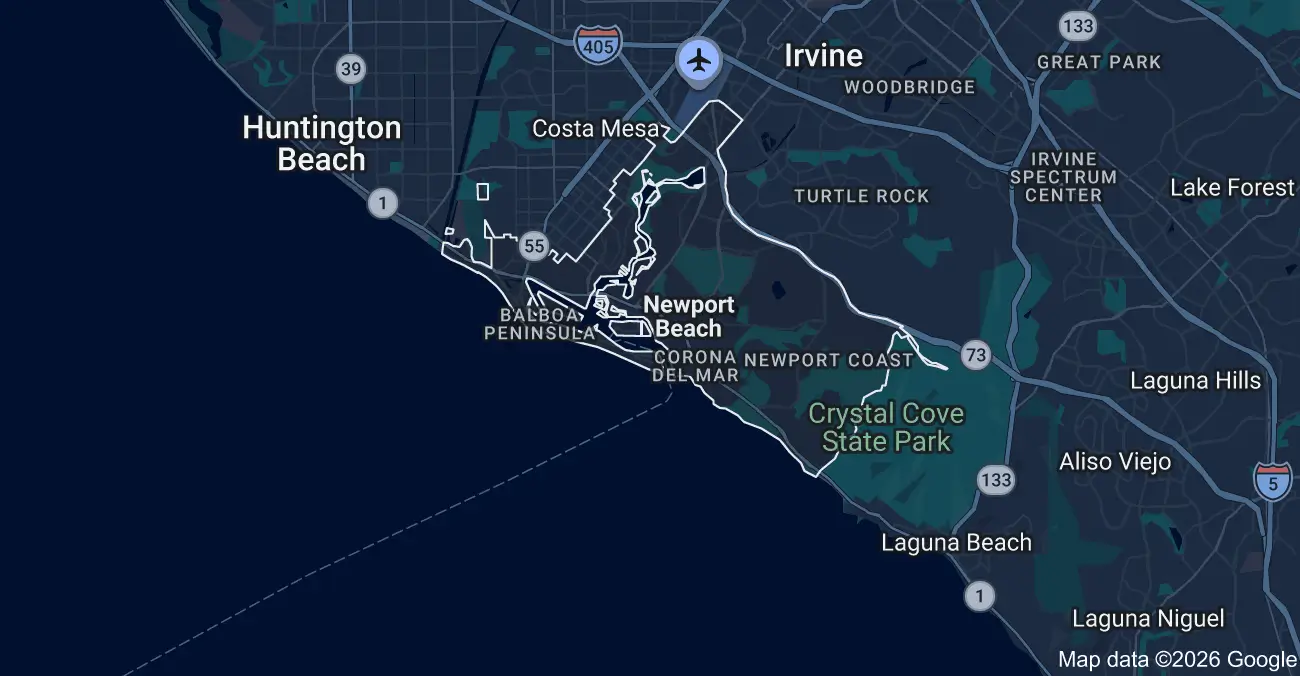
Newport Beach
The City's online permitting page names furnace replacement as an example for Residential Express Permits. The pages we read do not mention AC replacement, so we confirm the steps with the City.
View areaSigns you need this
When to schedule an installation evaluation
These are reasons to schedule an evaluation, not a diagnosis. A technician has to inspect the system before recommending repair or replacement.
System over 10 years old particularly with repairs or rising costs
Repeated breakdowns or expensive repairs on the same equipment
Rising cooling bills with no change in how you use the system
Uneven cooling with some rooms staying warmer than others
Frequent cycling or noise on and off often, or unusually loud
Dust or weak airflow the home feels dusty or air movement is weak
Cooling out right now? See AC repair for symptoms and what a technician checks.
Not sure which you need?
Repair or replace?
Repair may make sense when
- The system is relatively new and has been reliable
- The failure is isolated and the repair cost is reasonable
- Comfort and efficiency are otherwise fine
- Parts are available and the system is repairable
Replacement may make sense when
- Equipment is near or past its expected life
- Repairs have become frequent or expensive
- Energy bills or comfort problems persist
- A major component such as the compressor has failed
ENERGY STAR advises considering replacement when an AC or heat pump is more than 10 years old, especially with frequent repairs, rising energy bills, or comfort problems. It is not a hard rule. A younger unit may warrant replacement after a major failure, and an older unit may still be repairable. Age, repair history, comfort, energy use, refrigerant, and total cost all count.
If the repair is major or the system keeps breaking down, we can lay out a repair option beside a replacement option so you decide with the actual numbers.
How it works
Our AC installation process
- 01
Call and qualify
We confirm the property type, current equipment, timeline, ducted or ductless layout, and whether this is a repair, replacement, or first-time install.
- 02
On-site evaluation
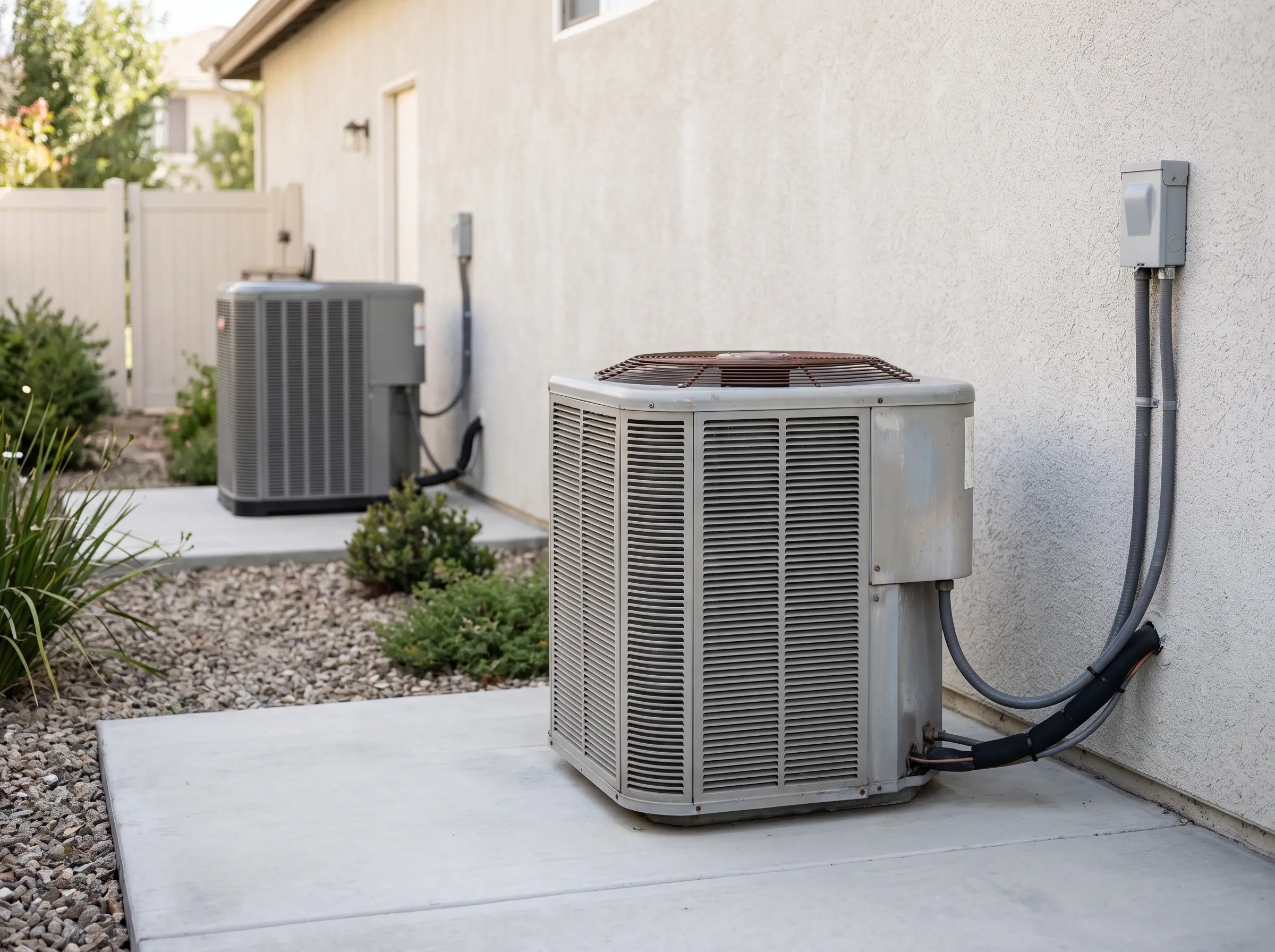
We inspect the equipment, access, electrical disconnect and panel, drainage, line set routing, ducts, and clearances.
- 03
Load calculation
We calculate cooling and heating loads before selecting equipment. Manual J is the recognized residential method.
- 04
Proposal
You get options compared by system type, efficiency, capacity, controls, ducts, electrical work, permits, and warranty.
- 05
Permits and Energy Code
We identify the mechanical permit and Energy Code documentation your jurisdiction requires.
- 06
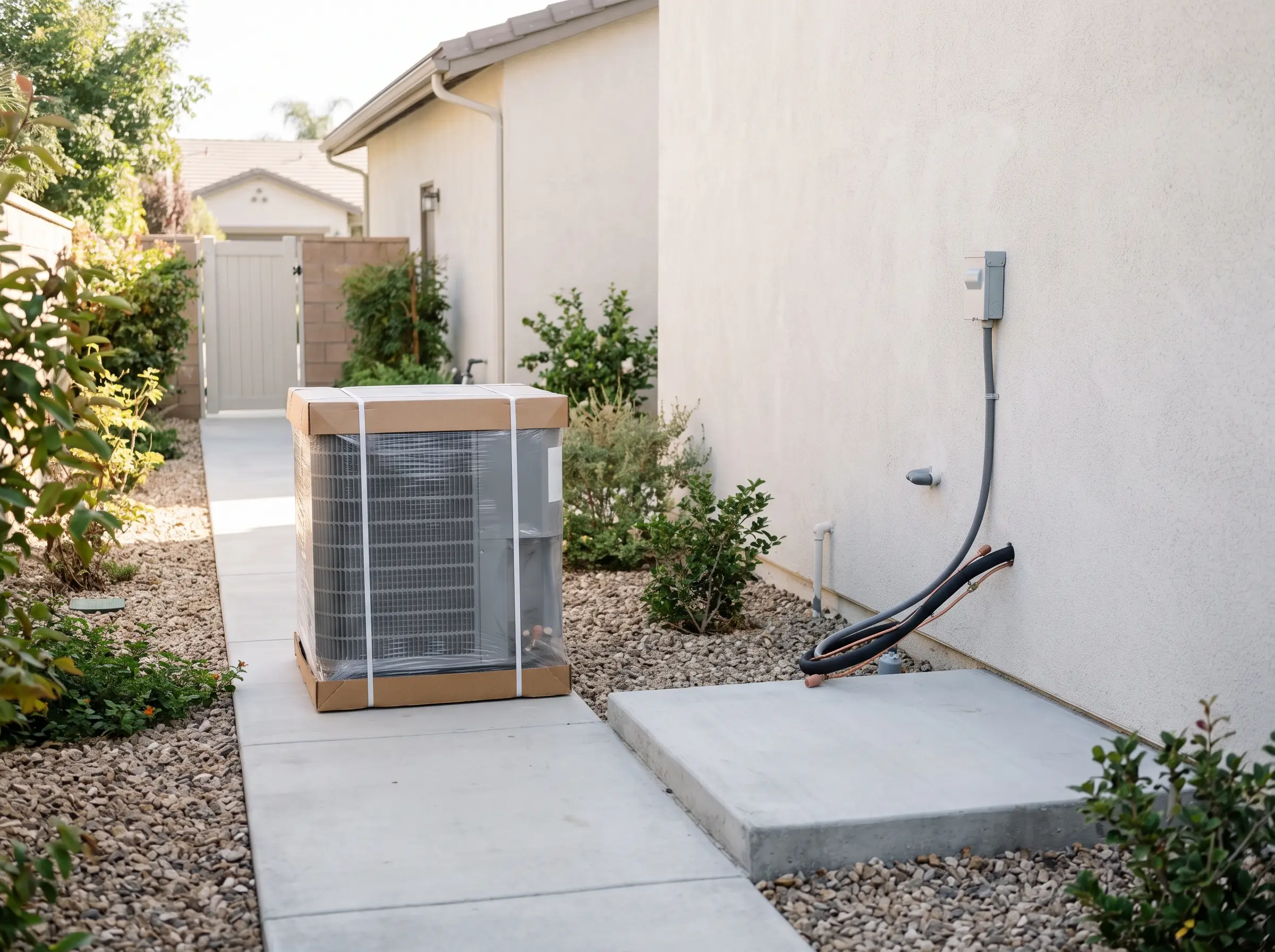
Remove and install
Old equipment is removed or isolated. New equipment, refrigerant connections, disconnect, controls, drain, and duct or ductless connections go in.
- 07
Startup and commissioning
We verify refrigerant charge and airflow, because errors in either reduce comfort, efficiency, and equipment life.
- 08
Inspection and handoff
We coordinate required inspections and provide equipment details, operating instructions, and maintenance recommendations.
The project
What is included and what can cost extra
A complete quoted installation typically covers
- Equipment installation and startup
- Refrigerant piping connection and commissioning
- Thermostat or control installation
- Basic equipment pad or mounting
- Permit administration, when the contract includes it
- Removal and haul-away, when the proposal includes it
- Coordination of required local inspections
What depends on your property
- Duct repair, sealing, or redesign
- Electrical panel upgrade, new breaker, or long circuit run
- Crane, roof access, curb modification, or structural work
- Asbestos or lead remediation, or unusual demolition
- HOA approvals, architectural review, or noise mitigation
- Drywall, framing, landscaping, or roofing restoration
- Zoning, advanced filtration, and other indoor air quality add-ons
Your proposal should say exactly what is included and what is not.
How long does installation take?
Many straightforward replacements can be completed in a day once equipment, permits, and site conditions are ready. Projects involving ducts, electrical upgrades, rooftop access, multi-zone systems, or plan review may take longer.
Equipment
Systems we install
We recommend a system after the evaluation and load calculation, not before. These are the common options.
Split central AC
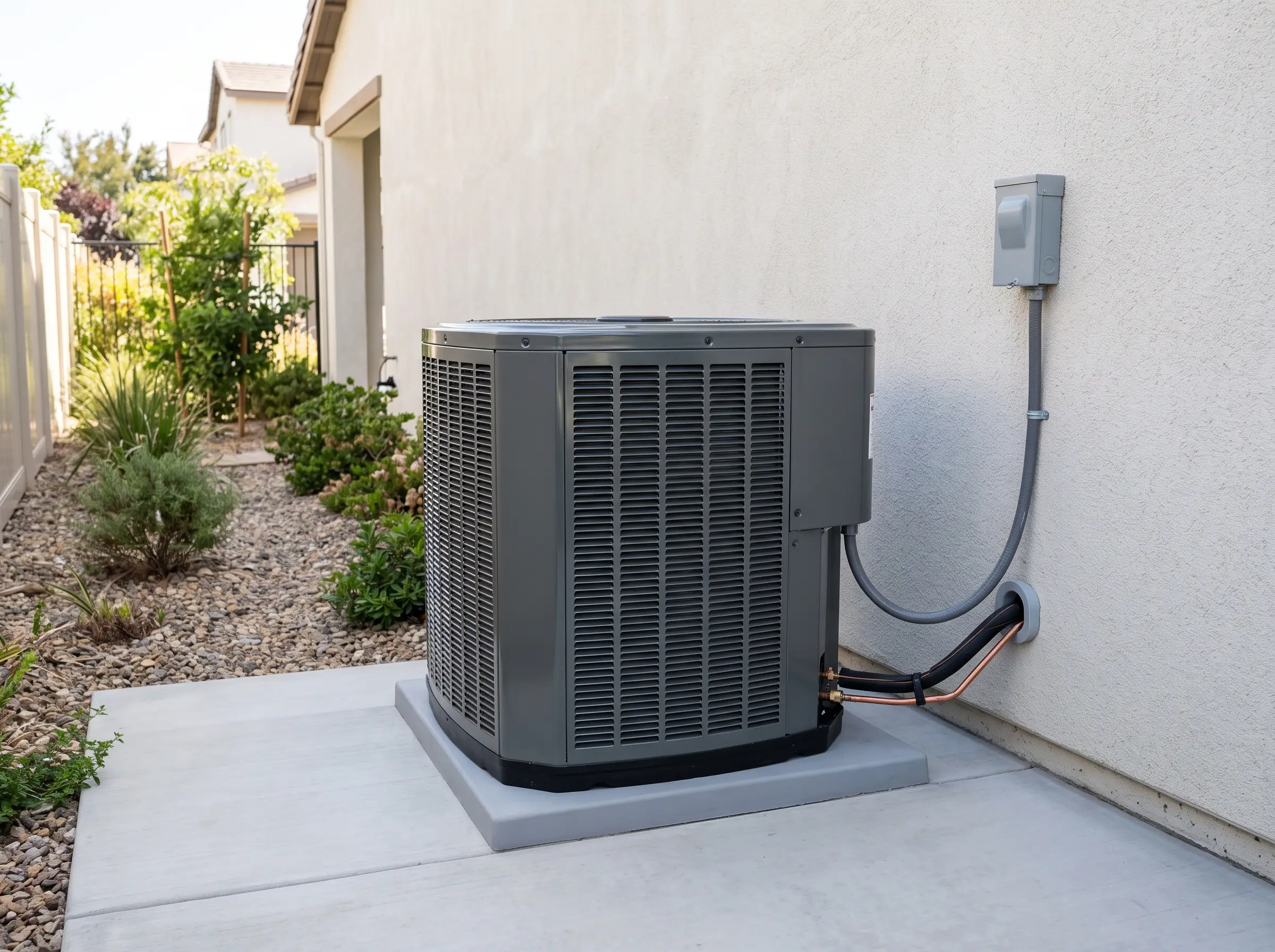
An outdoor condensing unit connected to an indoor coil and blower or air handler, usually with ducts. A fit for properties with a suitable duct system.
Split heat pump
Similar equipment that provides both cooling and heating. Worth comparing with a cooling-only replacement, subject to load, electrical, incentive, and property review.
Heat pump servicesPackaged units
Cooling or heat pump components in one outdoor cabinet, ground or roof mounted. Used at some homes and many commercial properties.
Ductless mini-splits
An outdoor unit connected to one or more indoor units without central ductwork. Suited to additions, targeted zones, and homes without ducts, once the layout is reviewed.
Ductless mini-split optionsDucted mini-splits
A compact ducted indoor unit serving short duct runs or concealed zones. A design option where conventional ducts are impractical, confirmed at a site review.
Rooftop units
Commercial packaged equipment on a roof. Roof access, curb, crane, controls, and municipal requirements can change scope and price.
New AC systems and the refrigerant change
EPA's rules on which refrigerants may be used in new residential and light-commercial installations have changed more than once, and which rules apply depends on the equipment and when it was made or imported. New lower-GWP systems may use A2L refrigerants such as R-454B, depending on the manufacturer and model, and installation must follow the manufacturer, the equipment listing, and the local authority. Existing R-410A systems can still be repaired through their useful life, so this rule is not a reason to replace a working system. Ask your contractor which rules apply to the equipment in your proposal.
Source: U.S. EPA, HFC Phasedown FAQ
Pricing
What affects AC installation cost
AC installation cost depends on the system type, required capacity, efficiency rating, duct condition, electrical work, equipment location, permit requirements, controls, and whether the project includes heating equipment or a heat pump conversion. After an on-site evaluation and load calculation, equipment, installation scope, permit requirements, and recommended upgrades can be discussed with you.
| What changes the quote | What moves the price |
|---|---|
| System type and capacity | Cooling-only AC versus a heat pump, and the tonnage a load calculation calls for |
| Efficiency and staging | Single-stage, two-stage, or variable-capacity equipment, and the SEER2 rating |
| Ductwork | Existing duct condition, leakage, and sizing, and whether repair or redesign is needed |
| Electrical | Circuit, disconnect, panel, or service upgrade requirements |
| Location and access | Outdoor unit placement, roof access, crane use, pads, wall brackets, or structural work |
| Permits and compliance | Permit, plan review, inspection, Energy Code forms, and diagnostic testing where required |
| Extras | Filtration, zoning, smart controls, and condensate management upgrades |
Online price averages vary widely because they cover different scopes. Some count equipment only, and others include permits, ductwork, electrical work, or a heat pump conversion. Treat them as context, not a quote.
Ask any contractor to identify the exact equipment model, manufacturer warranty terms, registration requirements, and labor warranty terms before installation.
The rules
Licensing, permits, and energy-code basics
Licensing
California requires a CSLB-licensed contractor for projects at or above the state threshold. The C-20 classification covers warm-air heating, ventilation, and air-conditioning work, including ducts and controls. Contractor advertising must show the license number, and you can verify any license on the CSLB website.
Permits and inspections
A fixed HVAC installation or replacement commonly requires a local mechanical permit. Electrical, plumbing, gas, building, and inspection requirements depend on the city or county and the scope of work. We explain the permit path before work begins.
Energy Code and efficiency
California's 2025 Energy Code took effect January 1, 2026 and applies to HVAC additions and alterations. Field verification and diagnostic testing may be required. Split-system central AC in California must meet at least 14.3 SEER2.
Incentives
Rebates and incentives that may apply
Incentives depend on your utility, address, income, equipment, contractor, program funding, and timing. No rebate is guaranteed, and program details change, so confirm eligibility before you sign. Last checked September 29, 2026.
LADWP
Eligible LADWP electric customers in the City of Los Angeles may qualify for rebates on qualifying HVAC and heat pump HVAC systems. Funding is limited.
LADWP Consumer Rebate Program →Southern California Edison
SCE lists rebates and marketplace offers and points heat pump customers to statewide and income-qualified programs. Which utility serves you depends on your address.
SCE rebates and marketplace →TECH Clean California
Statewide single-family heat pump rebates were reported fully reserved at our last check. Status can change, so check the live program page.
TECH Clean California rebates →Who this is for
Residential and commercial AC installation
- Single-family homes
- Condos and townhomes
- Homes without ducts
- Apartment communities
- Office and retail
- Rooftop package units
Every property has its own constraints. Older homes can have limited electrical capacity, aging ducts, or no central duct system. Condos and HOA properties can involve approvals, shared walls, and placement or noise rules. Homes with an existing system still need duct, airflow, drain, electrical, and sizing review, because the size of the old unit is not proof of the right size. We evaluate the property before recommending equipment. Commercial HVAC · Residential HVAC
Where we work
AC installation across Southern California
Southern California is not one AC market. Coastal South Bay and coastal Orange County have marine influence, while inland communities in eastern LA County, Riverside County, and San Bernardino County see much hotter summers. That is why each system is sized to the property, not to a county label or a ZIP code.
Replacement planning is often easier before peak summer demand. If your system is aging, noisy, short-cycling, or needs repeated repairs, schedule an on-site evaluation before a breakdown forces a rushed decision.
Los Angeles County
AC installation in Los Angeles County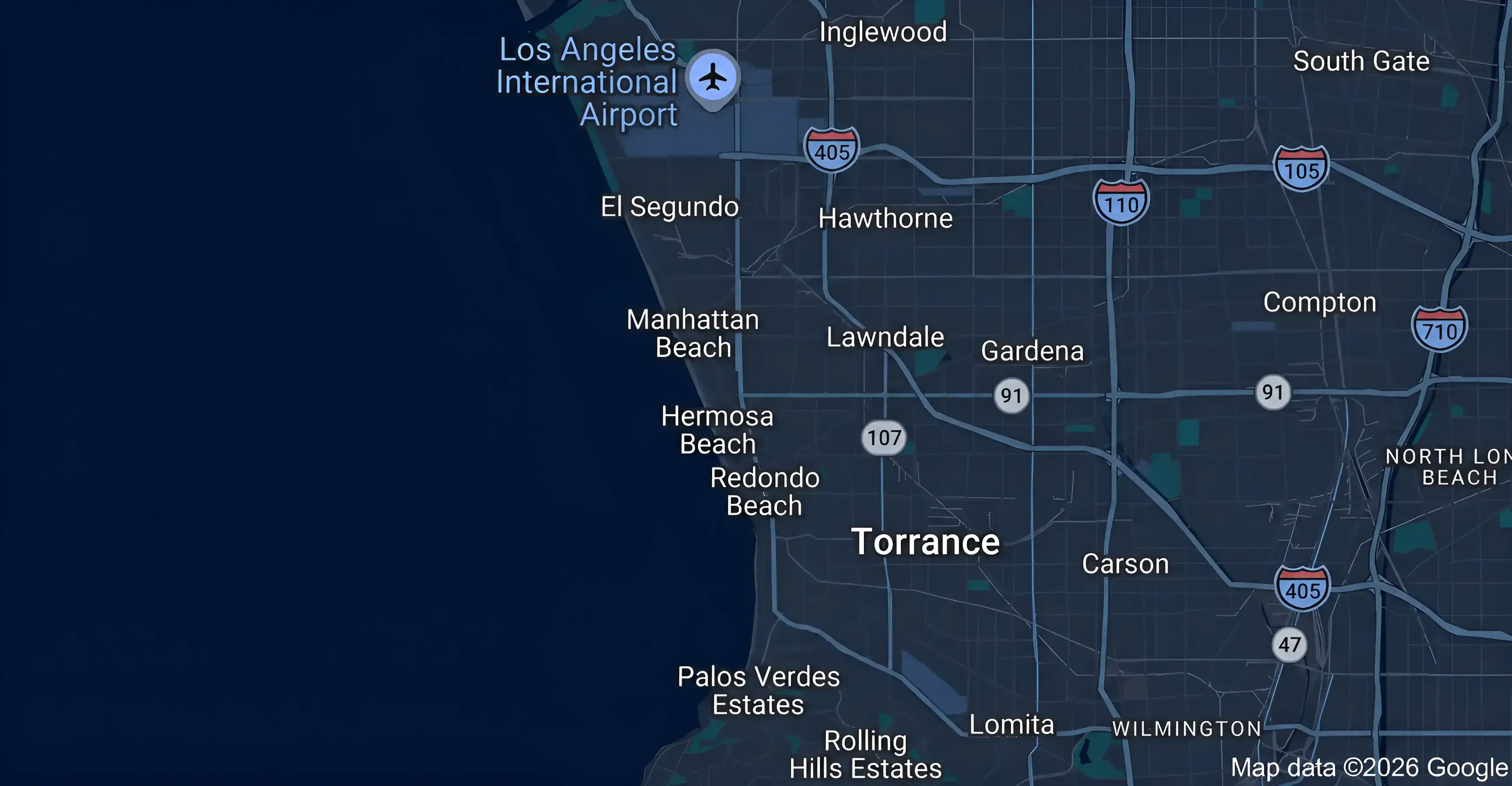
South Bay
AC installation in South Bay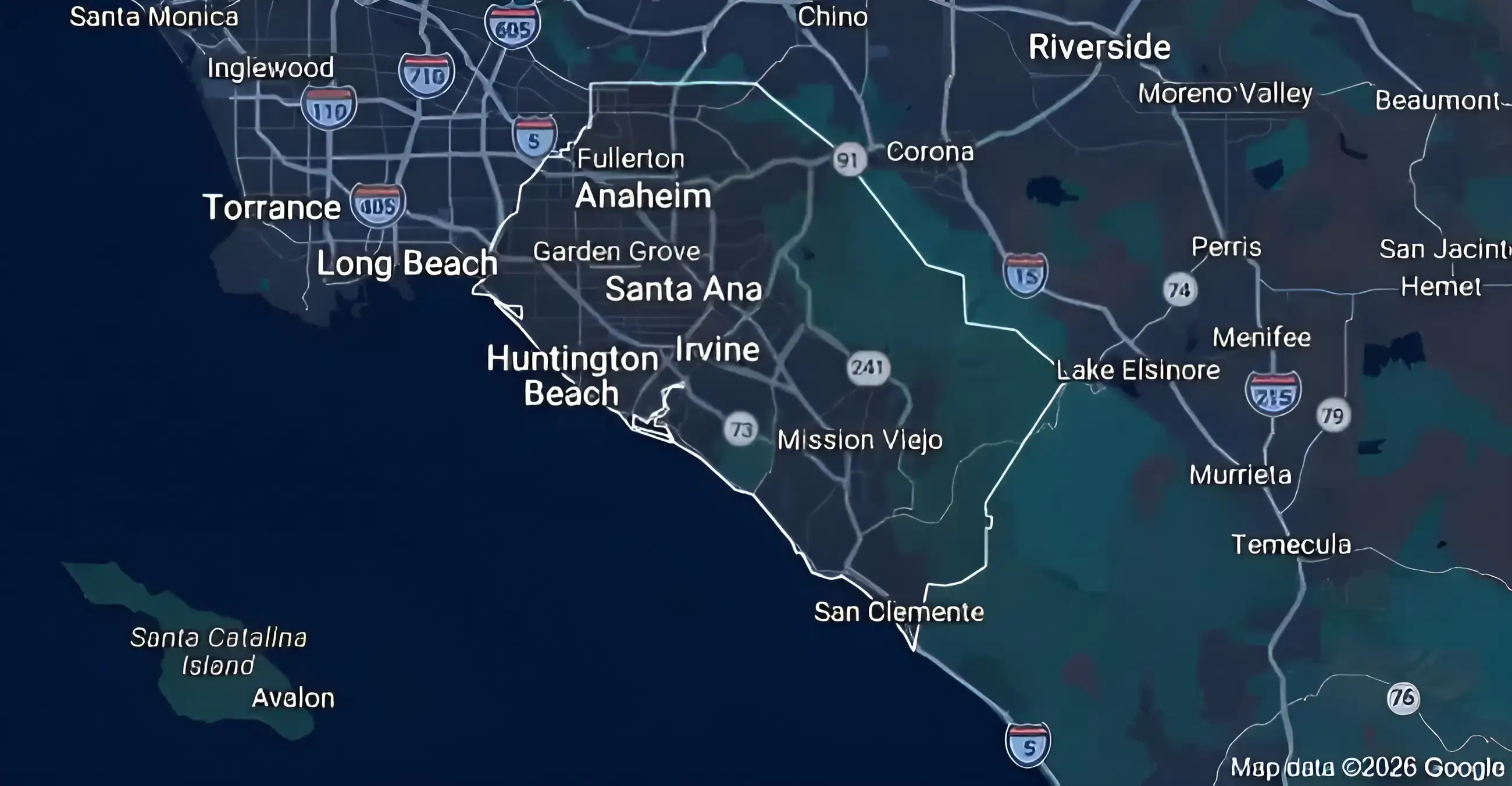
Orange County
AC installation in Orange County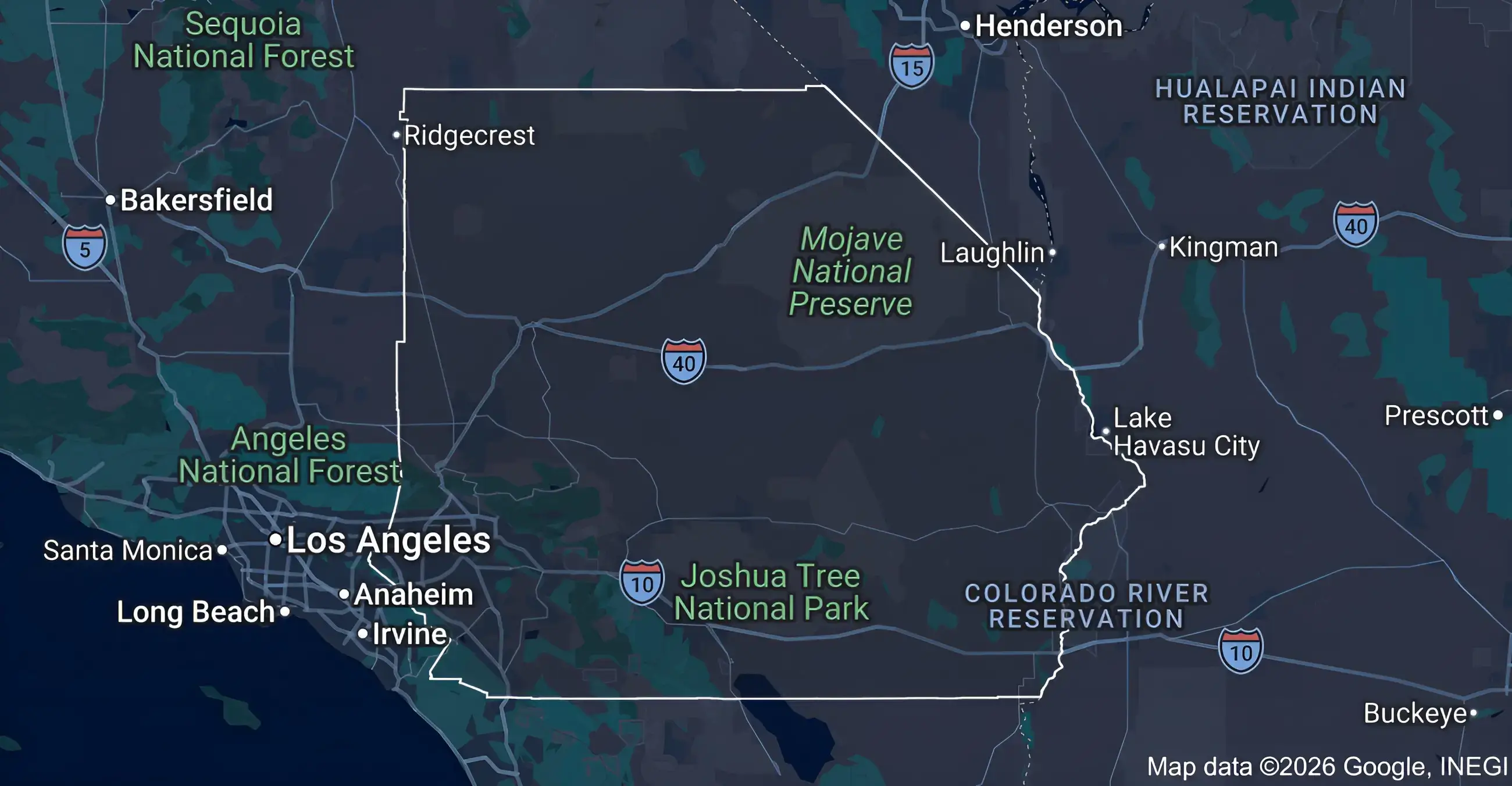
Inland Empire
AC installation in Inland EmpireDon't see your city? Call us and we will confirm coverage.
Why AIRPRO SOLUTIONS
Plain answers before you commit
You get the reasoning behind the recommended system, what is included, and what could change the price.
Related
Explore related services
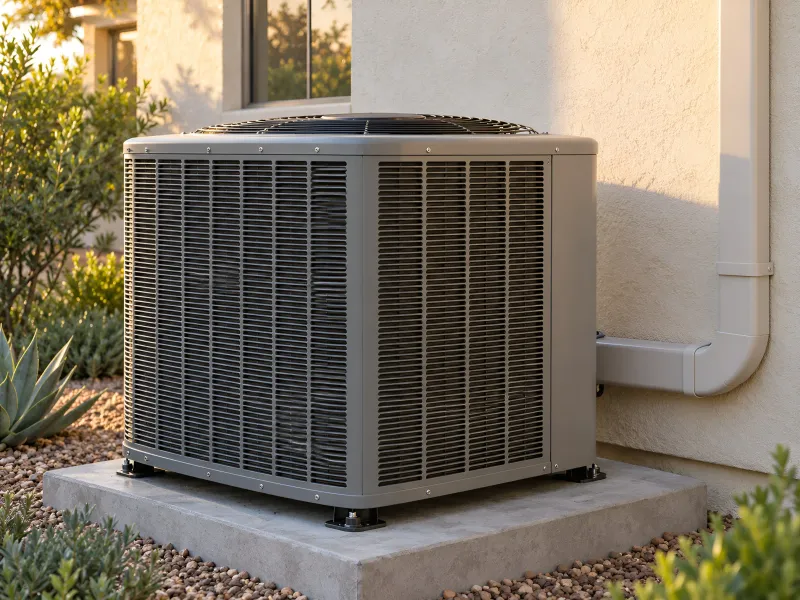
AC Repair
Diagnosis and repair for air conditioners that aren't cooling, blow warm air, leak, or make unusual noises.
View service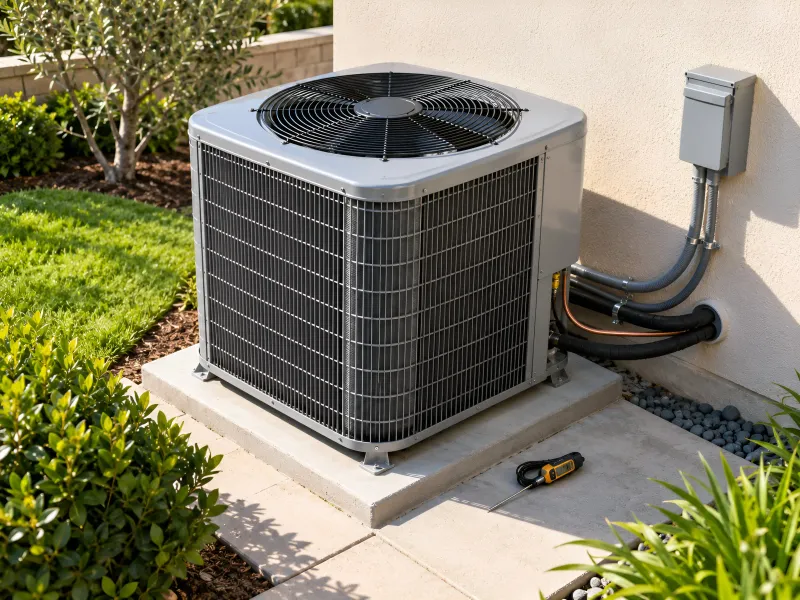
AC Maintenance
A pre-season tune-up checks controls, electrical connections, coils, the condensate drain, and airflow so small problems can be found early.
View service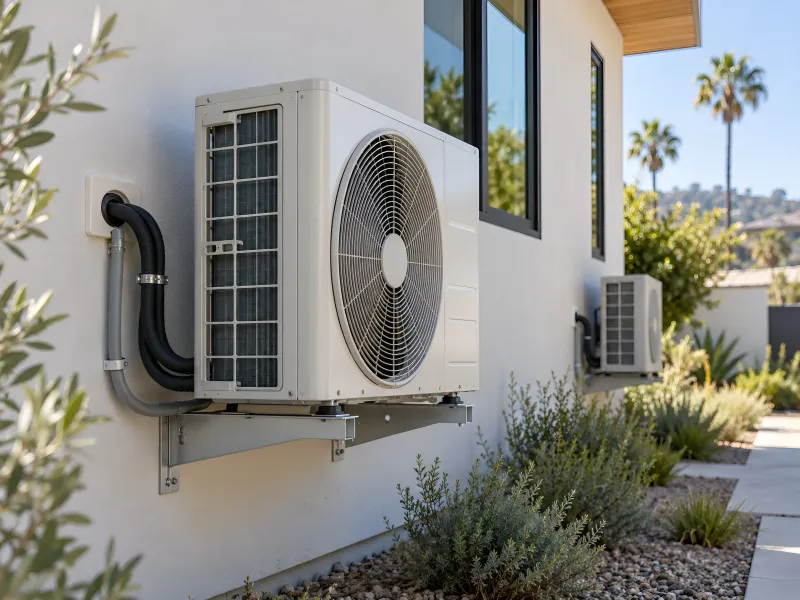
Heat Pump Services
Installation, repair, and maintenance for heat pump systems that handle both heating and cooling.
View service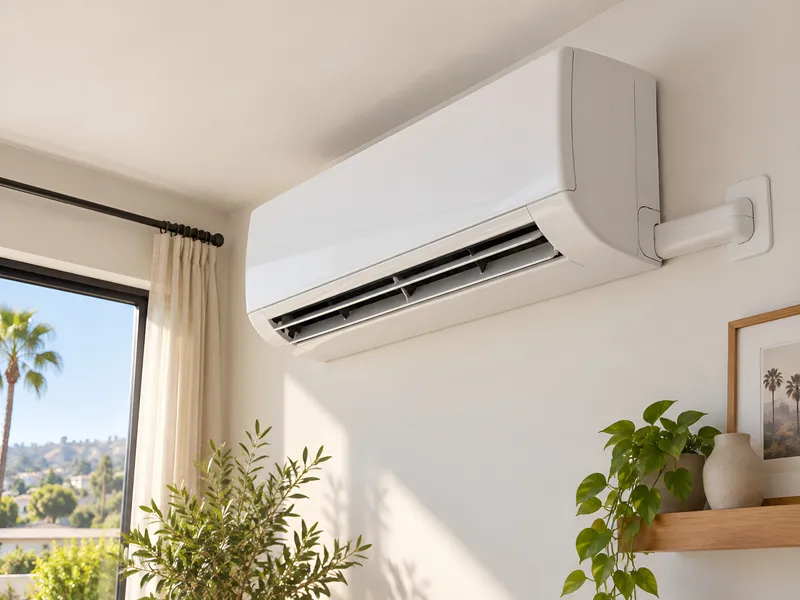
Ductless Mini-Split
Ductless mini-split installation and service for additions, garages, and homes without central ductwork.
View serviceMore on this topic: Duct inspection and replacement options · Indoor air quality and filtration options · Commercial HVAC · Compare a heat pump with a central AC replacement · Emergency HVAC
Direct answers
AC installation questions Southern Californians ask
Should I repair or replace my air conditioner?
Consider replacement when the equipment is more than 10 years old, repairs are frequent or costly, utility bills are rising, or comfort problems persist. ENERGY STAR recommends this test for AC and heat pump equipment, but it is not automatic. A technician should inspect the system before recommending repair or replacement.
How much does AC installation cost in Los Angeles?
Cost depends on the system type, required capacity, efficiency rating, duct condition, electrical work, equipment location, permit requirements, and controls. Online price averages vary widely because they cover different scopes. After an on-site evaluation and load calculation, AIRPRO SOLUTIONS can go over equipment, installation scope, permit requirements, and recommended upgrades with you.
How long does AC installation take?
Many straightforward replacements can be completed in a day once equipment, permits, and site conditions are ready. Projects involving ducts, electrical upgrades, rooftop access, multi-zone systems, special-order equipment, or plan review may take longer.
Do I need a permit to replace an AC unit in California?
A fixed HVAC installation or replacement commonly requires a local mechanical permit. The project may also involve electrical, Energy Code, and inspection requirements, depending on the address, jurisdiction, and scope. Confirm requirements with the city or county that has jurisdiction, or with your licensed contractor, before work begins.
What size AC unit does my home need?
Size comes from a heating and cooling load calculation, not from square footage or the size of the old unit. ENERGY STAR warns that oversized equipment can cycle on and off too often, which hurts comfort and lifespan.
Can I replace my central AC with a heat pump?
Often, yes. ENERGY STAR states that a central air conditioner can often be replaced with a heat pump, which provides both cooling and heating. Your property still needs an evaluation of load, ductwork, electrical capacity, existing heating equipment, and available incentives.
Can I still repair an R-410A system?
Yes. Existing R-410A systems can be maintained and repaired through their useful life, including replacing a faulty component with a similar one. EPA's rules on which refrigerants may be used in new residential and light-commercial installations have changed more than once, and which rules apply depends on the equipment and when it was made or imported.
What does SEER2 mean?
SEER2 is a seasonal efficiency rating for air conditioners and heat pumps. DOE standards set minimum SEER2 values by product category and region. Split-system central AC in California's Southwest region must meet at least 14.3 SEER2. A higher rating is not automatically the best fit, because load, ducts, budget, and comfort goals all matter.
Do I need to replace ductwork when installing a new AC?
Not always, but the ducts should be inspected. ENERGY STAR says leaky ducts can waste energy, reduce airflow, and reduce comfort, and it recommends inspection and leakage testing where appropriate. Whether replacement is needed depends on condition, sizing, leakage, access, and the new system design.
Are rebates available for a new AC or heat pump?
Possibly, but eligibility depends on your utility account, address, equipment, contractor, program funding, and program rules. LADWP lists rebates for qualifying HVAC and heat pump HVAC systems, while statewide TECH Clean California single-family funding was reported fully reserved when we last checked. Check live eligibility before you sign a contract.
Get your AC installation estimate
Call us or request an on-site evaluation online.