 AIRPRO SOLUTIONS
AC Maintenance in Los Angeles and Southern California
AIRPRO SOLUTIONS provides AC maintenance for homes and businesses in Los Angeles and across the South Bay, Orange County, and the Inland Empire. A pre-season tune-up checks controls, electrical connections, coils, the condensate drain, and airflow so small problems can be found early.
- Licensed HVAC contractor
- Residential and commercial
- Licensed, bonded & insured
- 4 Southern California regions
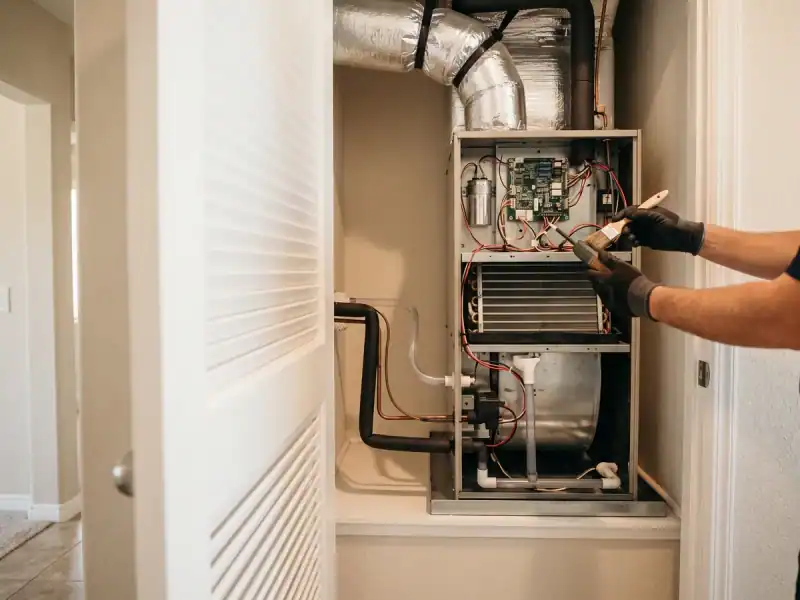 Pre-season AC tune-ups
Quick answer
AC maintenance is a scheduled, preventive visit that checks how your cooling system is running before something fails. A technician looks at the controls, electrical connections, airflow, coils, condensate drain, and refrigerant level, cleans what is accessible, and tells you what they found.
Across Southern California
How Southern California conditions shape AC maintenance
Los Angeles County. The county mixes dense urban, multifamily, single-family, and commercial properties. Maintenance scope varies with system access, building type, equipment location, and property-management requirements.
South Bay. Coastal areas can see different weather and air-quality patterns than inland communities. Schedule a check before heavy cooling use, especially if airflow, condensate drainage, or outdoor-unit cleanliness has been neglected.
Orange County. A visit accounts for property type, access, filtration, drainage, thermostat controls, and the equipment actually installed. HOA rules for outdoor equipment vary by property.
Inland Empire. South Coast AQMD's 2025 heat-wave advisories named inland communities such as Corona and Lake Elsinore among areas expecting unhealthy air quality. Book before high-demand summer periods, and address weak cooling or long run times before the next heat event.
AC maintenance facts
- Existing R-410A systems
- An older R-410A system can still be maintained. The EPA states that existing equipment can stay in use through its useful life
- Energy code
- The 2025 California Energy Code applies to permit applications filed on or after January 1, 2026
- Heat and ozone
- South Coast AQMD reported multi-day extreme ozone events during 2025 heat waves and expected levels to be lower along the coast than in inland parts of the air basin
Sources: U.S. EPA - HFC phasedown FAQ, California Energy Commission - 2025 Building Energy Efficiency Standards, South Coast AQMD - July 2025 ozone advisory, South Coast AQMD - August 2025 ozone advisory
Cities we serve
Where we do this
Local pages for the cities we serve across Southern California.
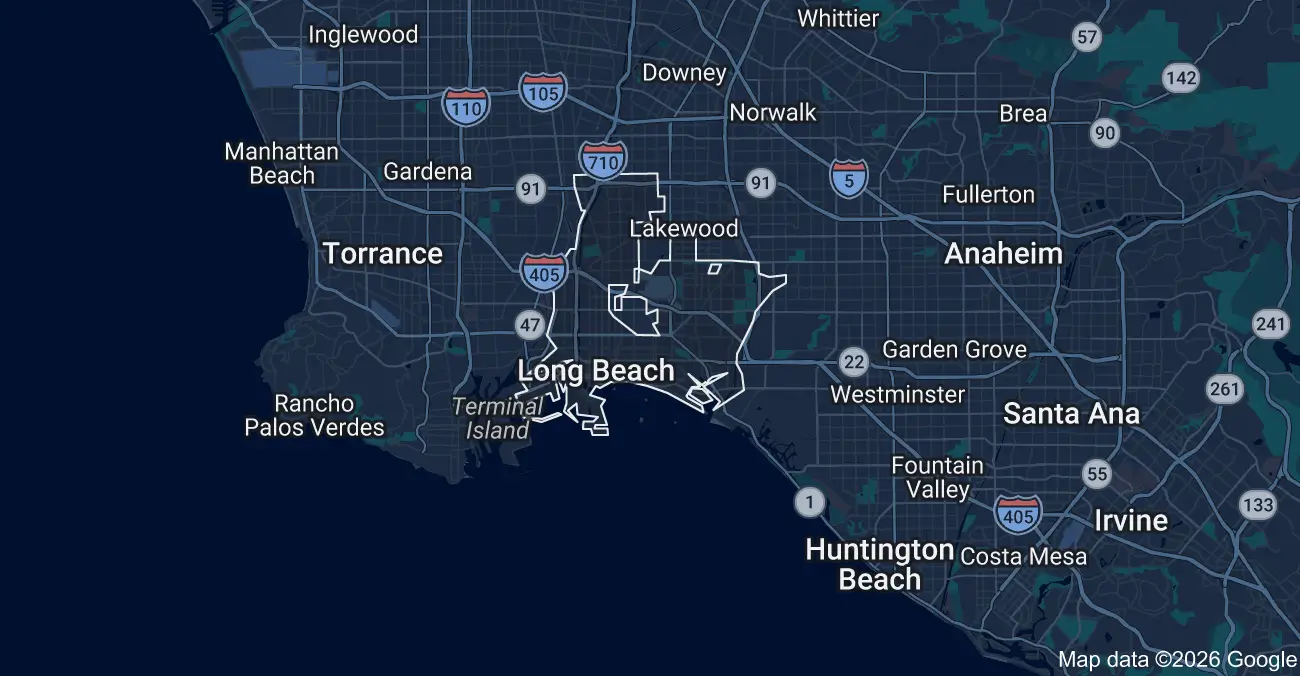
Long Beach
Coastal. Electric service from SCE.
View area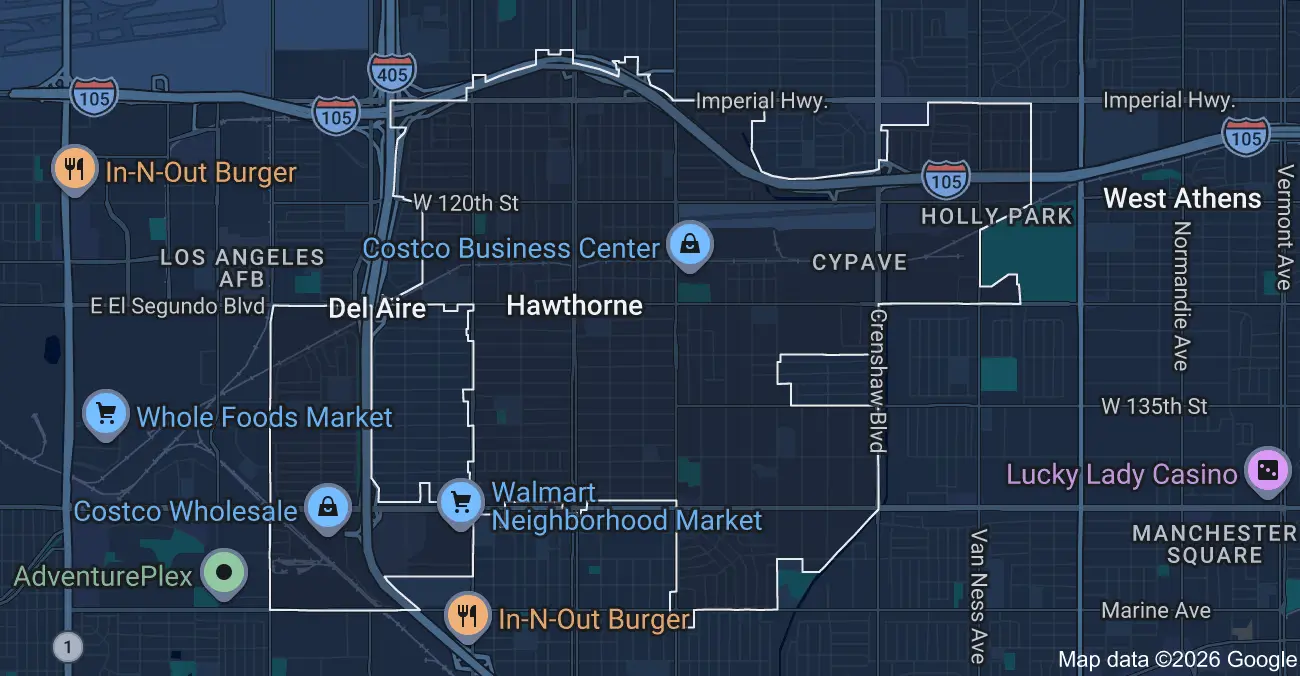
Hawthorne
Residential inspections are scheduled in the City’s Citizen Self Service portal. Clean Power Alliance supplies generation.
View area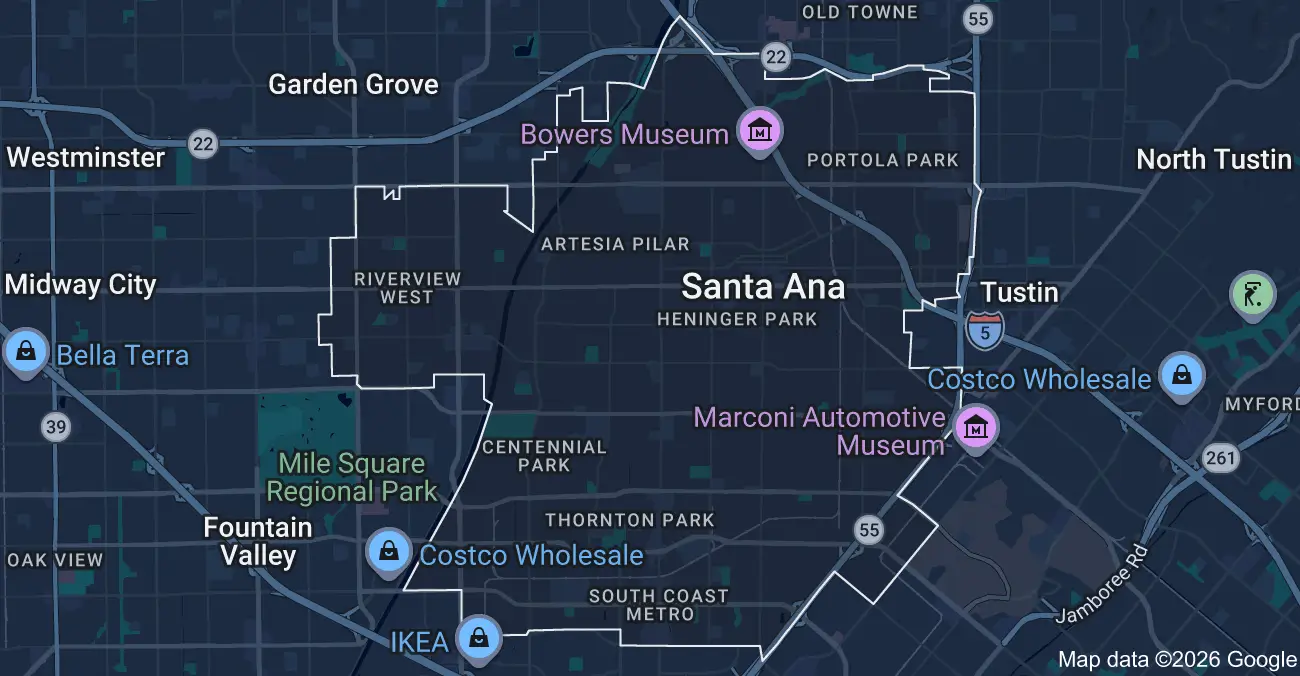
Santa Ana
The Orange County seat, according to the City's General Plan. The City requires electronic permit submittal through its online portal from July 1, 2026.
View area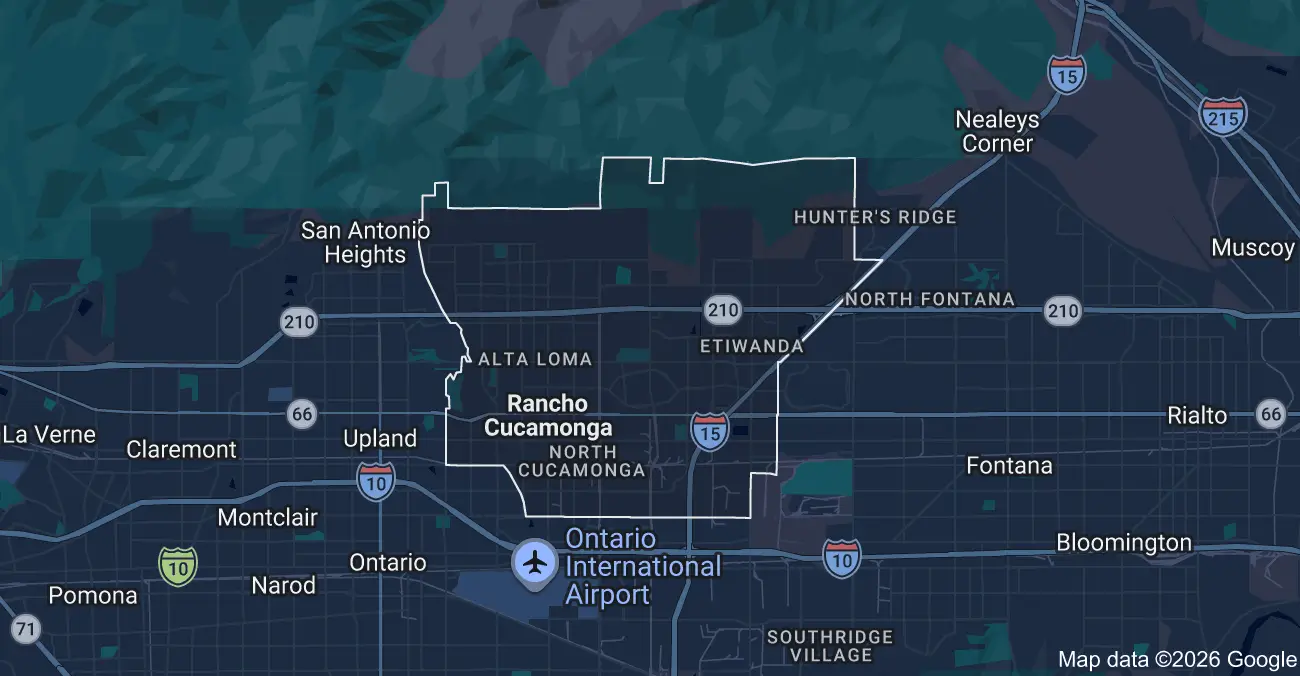
Rancho Cucamonga
Newer housing, with 9.6% of homes built before 1970 and 62.5% detached homes. The City takes every permit through its Online Permit Center, and its own municipal utility serves limited areas alongside SCE.
View area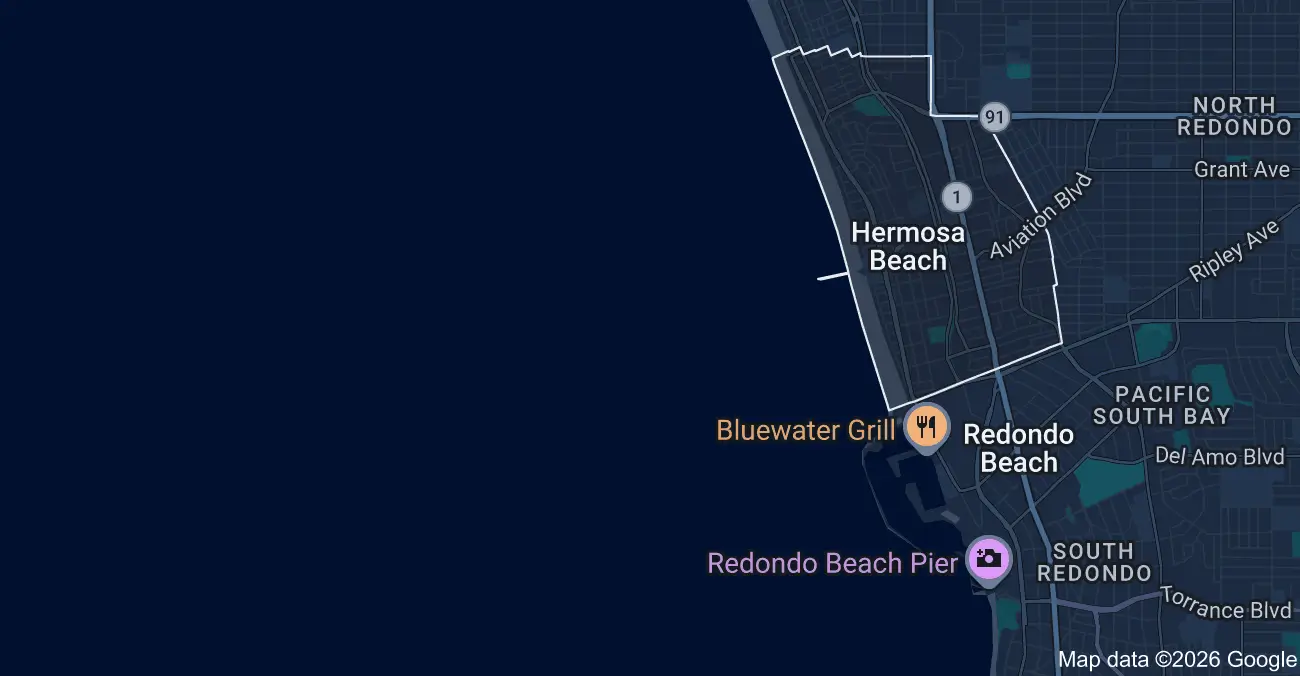
Hermosa Beach
Clean Power Alliance supplies generation. The city has a separate mechanical permit application and a combined application.
View area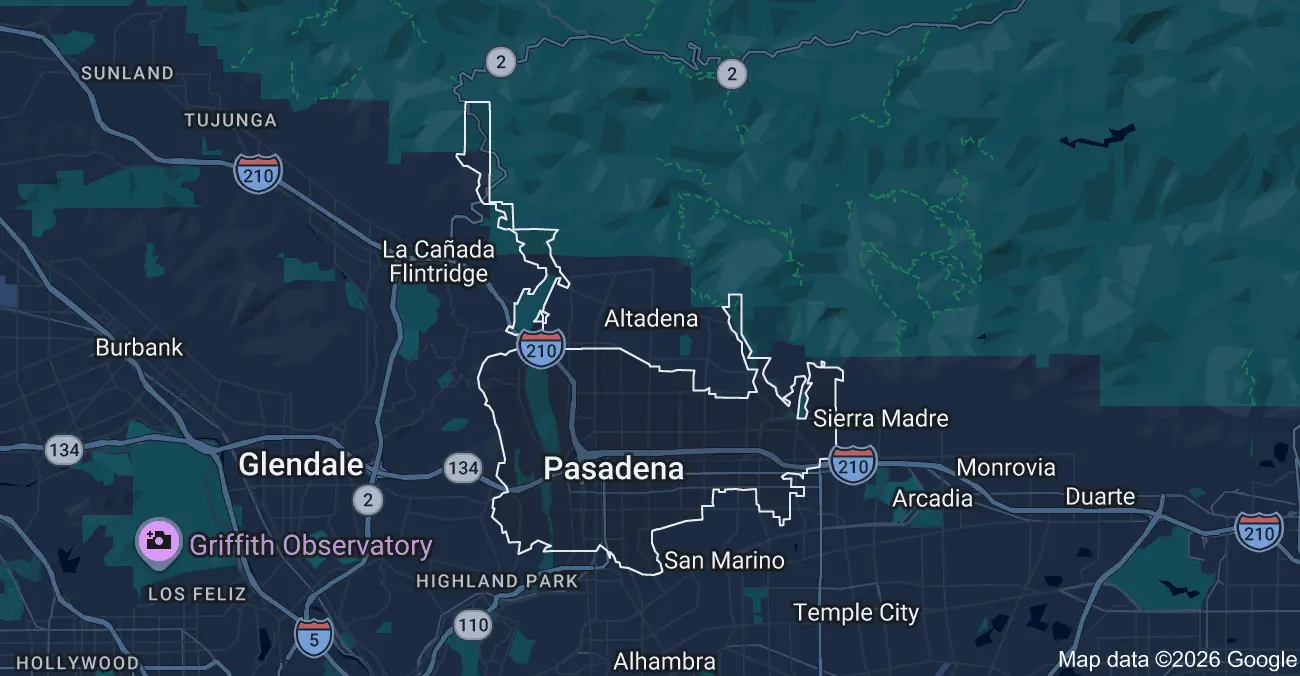
Pasadena
Has its own Permit Center. A site plan can apply to equipment placed outside.
View area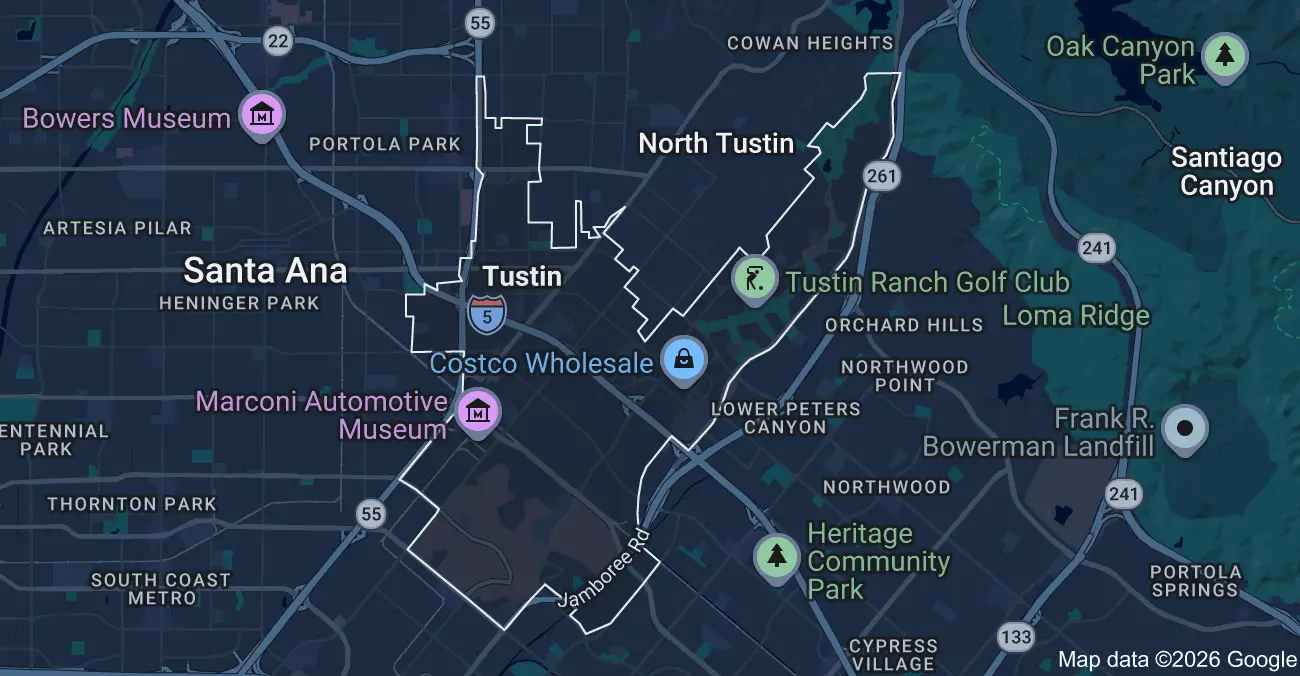
Tustin
The City's Permits Process page says a permit is valid for 180 days unless work is active and progressing, and a City handout dated June 1999 says a permit is required to install or replace a furnace or air conditioner. We confirm the current steps with the City.
View area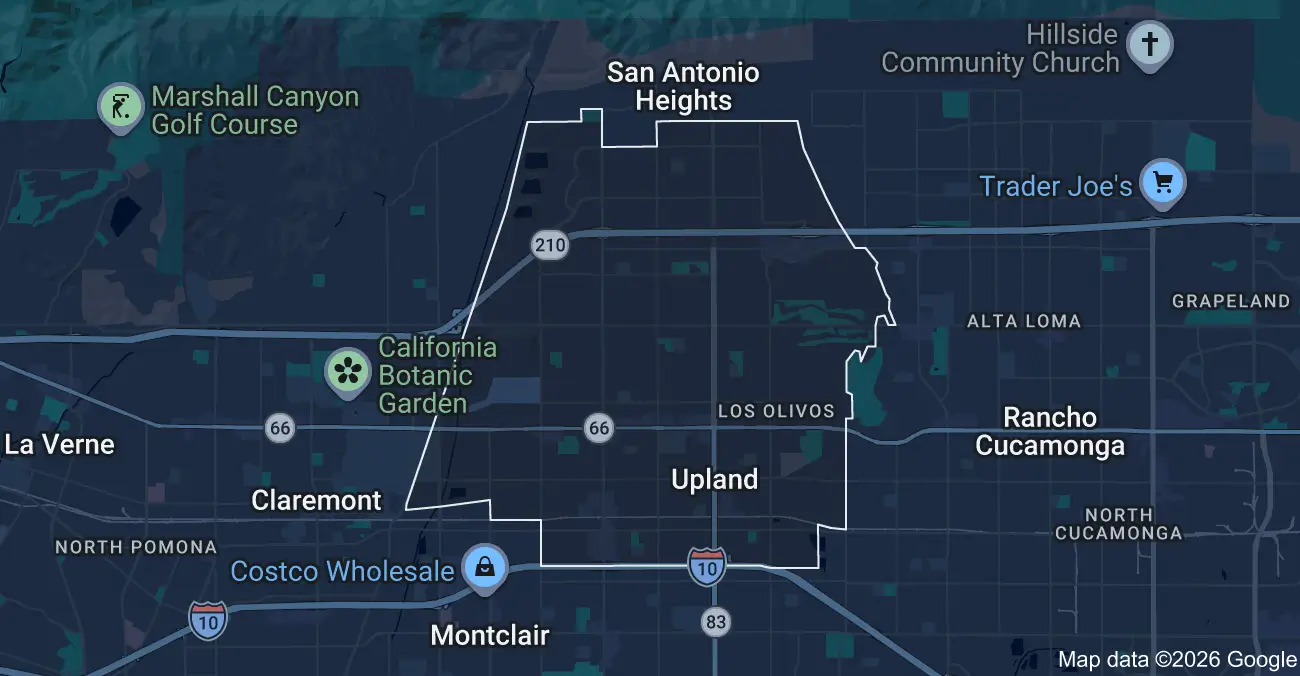
Upland
SCAG's local profile says 1970 to 1979 is the decade with the highest share of the city's housing units, and the City's Building & Safety page says permit applications go through its online Citizen Self Service (CSS) Portal without saying whether replacing an air conditioner needs a permit. QuickFacts reports a 57.1% owner-occupied housing unit rate for 2020 to 2024. We confirm the current steps with the City.
View areaStart here
Maintenance, repair, or replacement?
Pick the line that sounds like your system today.
Cooling normally
The system runs and cools as it always has. Schedule preventive maintenance before hot weather.
Schedule maintenanceCooling poorly, noisy, or leaking
Weak airflow, warm air, water near the indoor unit, or new noises point to a fault, not a tune-up.
See AC repairRepeated repairs or an aging system
If breakdowns keep coming back, compare the repair with replacement using real numbers.
See AC installationNo cooling in dangerous heat
Burning odor, a tripping breaker, or a serious leak calls for prompt help.
Call (323) 776-9047When to call right away
Skip the tune-up and call promptly if:
- Cooling has failed during extreme heat
- Someone in the home is medically vulnerable to heat
- You smell burning or the breaker keeps tripping
- Water is spreading from the indoor equipment
- A commercial outage is affecting your operations
If you see smoke or fire, or feel immediate electrical danger, get everyone out and call emergency services first.
Timing
When to schedule AC maintenance
Before cooling season
ENERGY STAR advises having cooling equipment checked in spring, because contractors get busier once summer arrives. Booking early gives you a choice of appointment times.
Before the next heat event
If run times have grown, airflow has weakened, or the outdoor unit is dirty, have it checked before the next stretch of extreme heat rather than during it.
Between visits
Inspect and clean or change the filter monthly, keep the area around the outdoor unit clear, and note any change in noise, airflow, or water near the indoor unit.
How it works
What happens during an AC maintenance visit
- 01
Book
We ask about the property, the equipment and where it sits, any access limits, and whether cooling is working today.
- 02
Identify
The technician confirms what you have: split system, heat pump, packaged unit, ductless, or commercial equipment.
- 03
Inspect and test
Thermostat and controls, electrical connections, motors and moving parts, filter, and airflow are checked for safe operation.
- 04
Cooling side
Indoor and outdoor coils, the condensate drain, and refrigerant level are inspected, and coils are cleaned where accessible.
- 05
Findings
Anything that needs repair is explained to you separately.
- 06
Close out
We summarize what was checked and completed, give filter guidance, and talk through timing for the next visit.
The visit
What is included and what can cost extra
A typical AC maintenance visit may include
- Thermostat and operating-control check
- Filter inspection
- Electrical connection inspection
- Blower and airflow review
- Indoor and outdoor coil inspection, with cleaning where accessible
- Condensate drain inspection
- Refrigerant-level check
- Cooling performance evaluation
What can add to the cost
- Replacement filters
- Major coil cleaning that needs disassembly or extra access work
- Drain-line clearing beyond routine preventive treatment
- Refrigerant leak detection, repair, recovery, and recharge
- Capacitors, contactors, motors, boards, and other parts
- Duct repair, sealing, or balancing
- Thermostat replacement or control upgrades
- Roof access, lifts, or difficult attic and crawlspace access
- HOA, property-management, or tenant coordination
Ask your technician which of these apply to your job before you approve the work.
What maintenance catches
Problems a routine visit can find early
Maintenance is not a guarantee against breakdowns. It can surface conditions that affect airflow, drainage, electrical reliability, and efficiency.
| What a visit looks at | Why it matters |
|---|---|
| Filter and airflow | A dirty filter or dirty blower components restrict airflow. ENERGY STAR says airflow problems can reduce efficiency by up to 15 percent. |
| Indoor and outdoor coils | Dirty coils can reduce cooling capacity and make the system run longer. |
| Condensate drain | A plugged drain can cause water damage and affect indoor humidity. |
| Electrical connections and motors | Loose connections and worn moving parts are found and addressed before they cause a shutdown, where the visit allows. |
| Thermostat and controls | Settings and controls are verified so the system starts, runs, and shuts down safely. |
| Refrigerant level | An incorrect level reduces efficiency. If it is low, the leak needs to be found, not just topped off. |
Already noticing warm air, weak airflow, water near the indoor unit, or unusual noises? Those point to a fault. See AC repair
Equipment
Systems we maintain
Tell us what you have and we will confirm we can service it.
Split central AC
An outdoor condenser and an indoor coil with an air handler or furnace blower. A visit covers the condenser, indoor coil, blower, controls, filter, condensate drain, and refrigerant circuit.
Heat pumps
Cooling-side checks are similar to an AC, plus the heat-pump operating controls. Heating-season maintenance is a separate visit.
Packaged units
Cooling and heating components in one cabinet, often on a roof or ground pad. Access, weather exposure, drainage, and electrical components all need inspection.
Ductless mini-splits
Indoor-head filters and coils, condensate routing, the outdoor unit, the controller, and the refrigerant circuit. Multi-zone systems add inspection points.
Rooftop units
Commercial packaged equipment on a roof. Roof access, tenant hours, and controls affect how a visit is planned.
Thermostats and controls
The devices and wiring that call for cooling, checked for correct settings and safe start, run, and shutdown.
Can maintenance lower my energy costs?
It can address problems that reduce efficiency. ENERGY STAR says dirty coils can make a system run longer, incorrect refrigerant levels reduce efficiency, and airflow problems can cut efficiency by up to 15 percent. Whether a visit lowers your bill depends on what the inspection finds, and a specific bill increase can have other causes such as thermostat use, the building envelope, or rate changes.
Do I have to replace my R-410A air conditioner?
No. The EPA states that existing equipment can stay in use through its useful life. EPA's rules on which refrigerants may be used in new residential and light-commercial installations have changed more than once, and which rules apply depends on the equipment and when it was made or imported. An older R-410A system can still be maintained, and replacement is a decision based on condition, repair history, and your plans for the property. Ask your contractor which rules apply to the equipment in your proposal.
Source: U.S. EPA, HFC Phasedown FAQ
Pricing
What affects AC maintenance cost
Maintenance pricing depends on your equipment and property. The list below shows what moves the total, so nothing about your visit is a surprise.
| Factor | How it affects the visit |
|---|---|
| System type and number of systems | Split, packaged, ductless, multi-zone, or rooftop equipment each take different time, and more indoor heads or units mean more to inspect. |
| Coil and drain condition | Routine cleaning is part of a visit where accessible. Heavy buildup or a clogged drain line can need extra labor. |
| Access | Roof access, lifts, attics, crawlspaces, gates, and HOA or property-management coordination can change the scope. |
| Filters and parts | Replacement filters are usually separate, and any capacitor, contactor, motor, or board found failing is a separate repair. |
| Refrigerant | Leak detection, recovery, and recharge are repair work and are approved separately. |
| After hours | Dispatch outside normal hours, if available, is priced differently. Ask when you call. |
A visit is priced on scope. If the inspection finds a fault, the repair is a separate, approved line item and not part of the routine visit.
Good to know
Licensing, permits, and energy-code basics
Licensing
California's C-20 classification covers contractors who install, maintain, service, and repair air-conditioning systems. Ask to verify any HVAC contractor's active license classification and insurance on the CSLB website before authorizing work.
Permits
Routine maintenance and minor repair do not necessarily need a permit, but requirements depend on the exact scope and the city or county. If a repair turns into equipment replacement or code-triggering alteration work, permit requirements are confirmed for your property before work proceeds.
Energy code
The 2025 California Energy Code applies to permit applications filed on or after January 1, 2026. Efficiency requirements apply mainly when equipment is installed or replaced, not simply because you schedule a maintenance visit.
Rebates and incentives
Most utility programs focus on qualifying equipment upgrades, not standard tune-ups. LADWP lists rebates for eligible HVAC equipment for its residential customers, and Southern California Edison's income-qualified Energy Savings Assistance Program may cover items such as HVAC filters for eligible households. Eligibility depends on your address, utility account, equipment, and funding status, and programs change. Check the utility's page before you buy or schedule.
LADWP Consumer Rebate Program · SCE Energy Savings Assistance Program
Who this is for
Residential and commercial AC maintenance
- Single-family homes
- Condos and townhomes
- Apartment communities
- Office buildings
- Retail and restaurants
- Rooftop package units
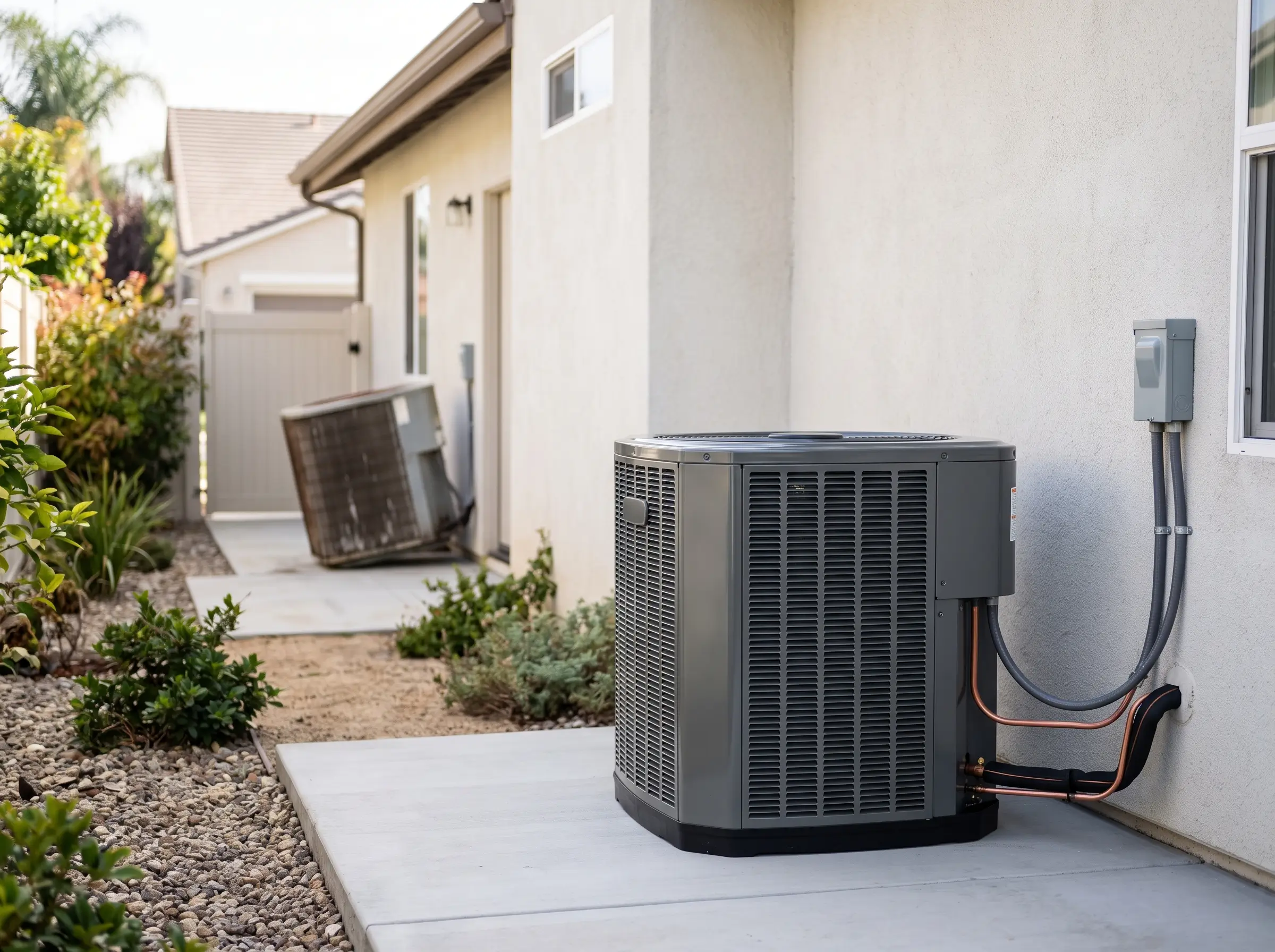
Scope changes with the property. Older homes may have equipment replaced at different times than ducts or controls. Condos and multifamily buildings can involve exterior-equipment approval, roof or balcony access, and tenant scheduling. Commercial spaces add rooftop access, business hours, and property-management coordination. We assess the property and the equipment, not the ZIP code. Commercial HVAC · Residential HVAC
Where we work
AC maintenance across Southern California
Southern California is not one climate. South Coast AQMD reported multi-day extreme ozone events during 2025 heat waves and expected levels to be lower along the coast than in inland parts of the air basin. Weather explains when demand for cooling rises. It does not tell a technician which part of your system needs attention.
The California Energy Commission expects the Los Angeles region to see more extremely hot days over time. That makes a pre-season check a planning step: find out how your system is running before it has to carry a heat wave.

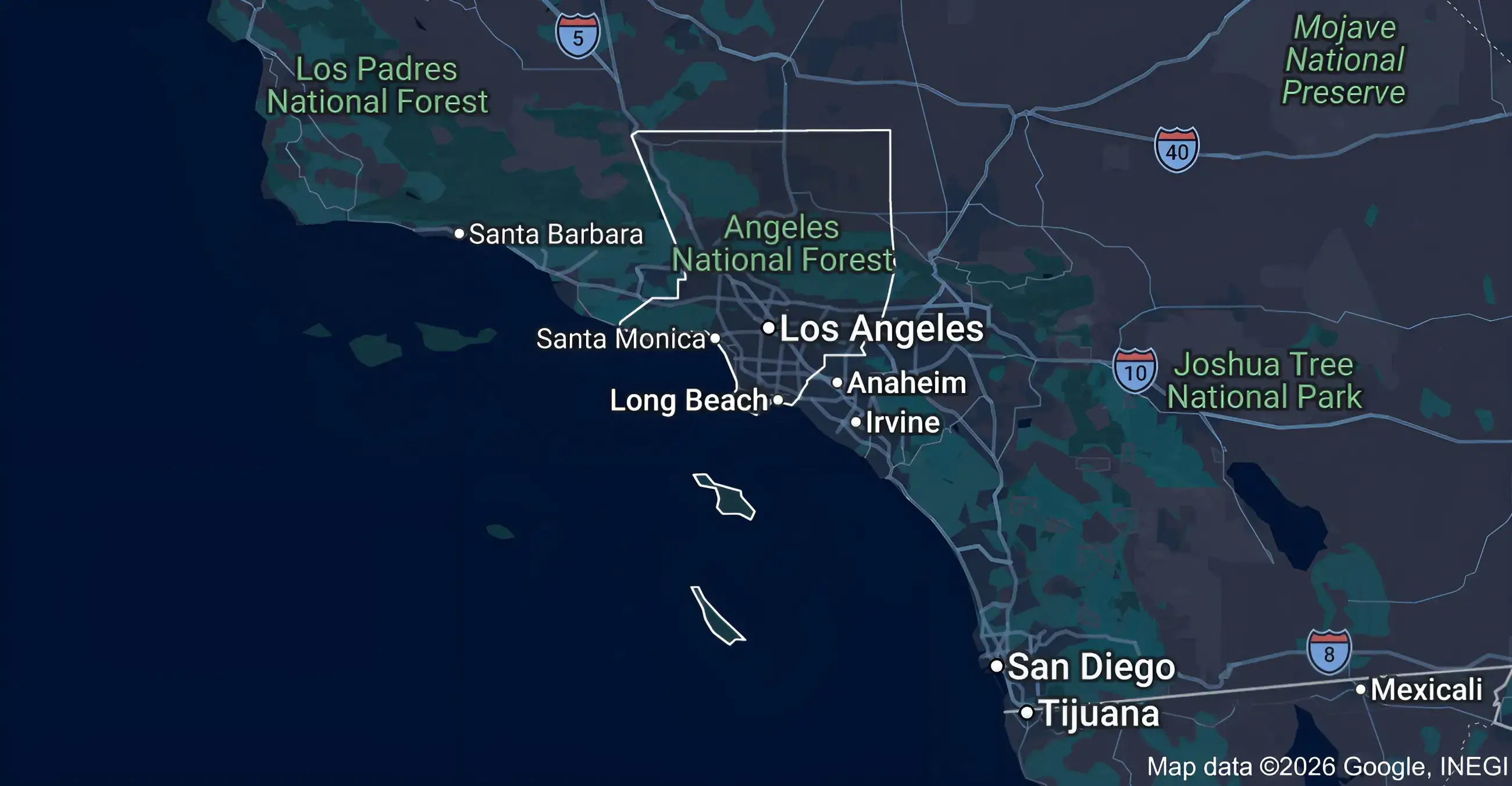
Los Angeles County
LA County service area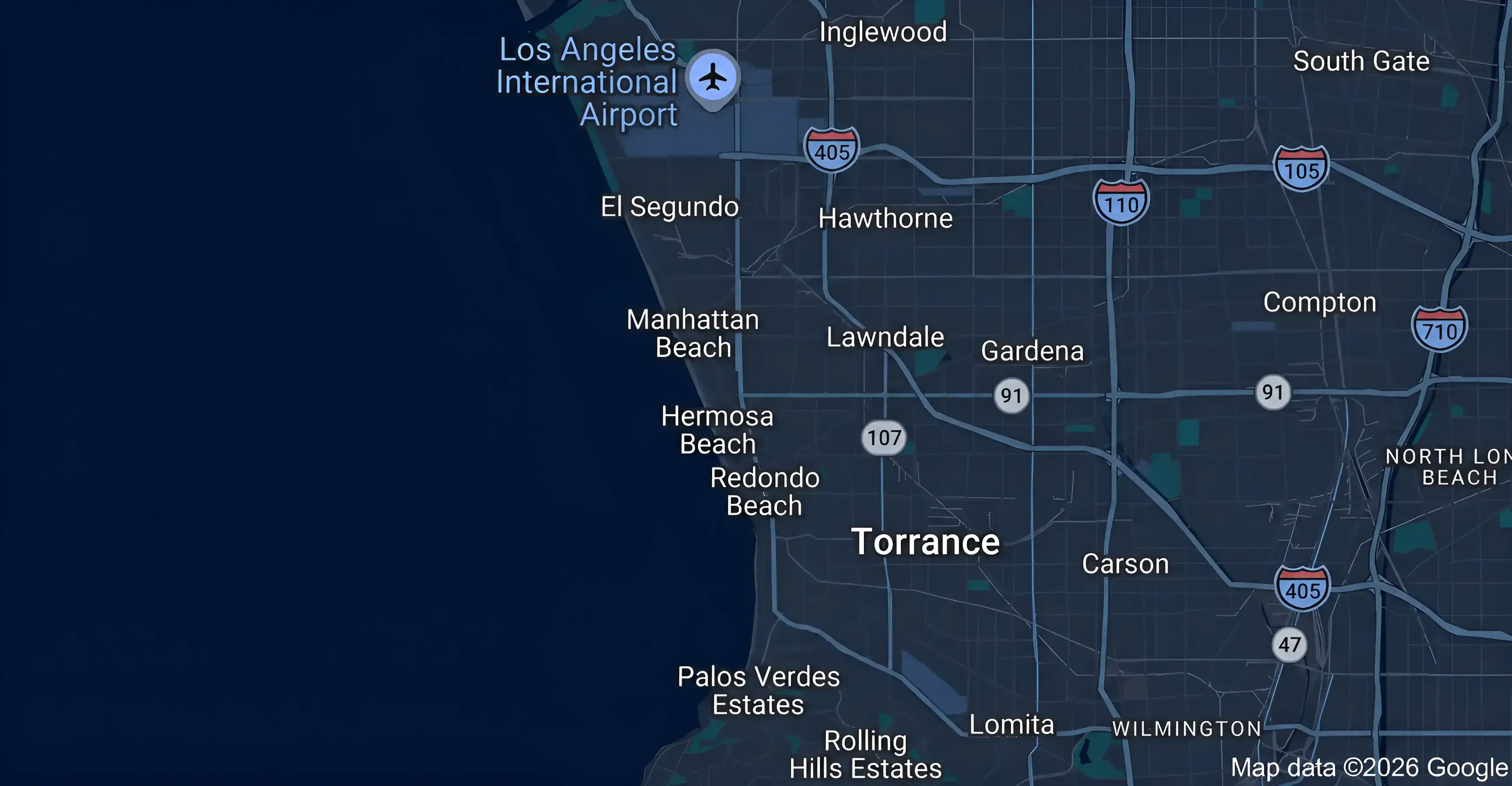
South Bay
South Bay service area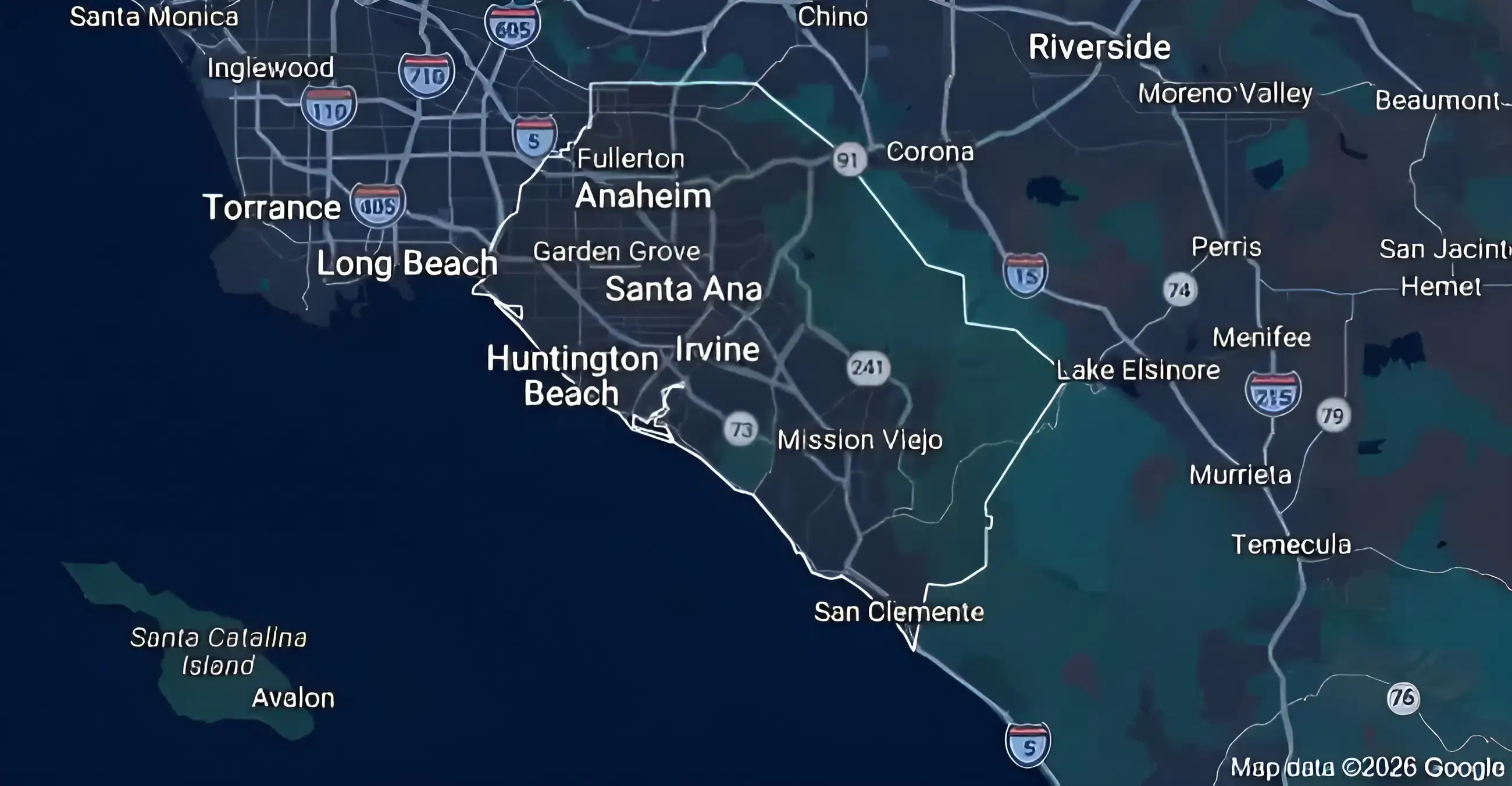
Orange County
Orange County service area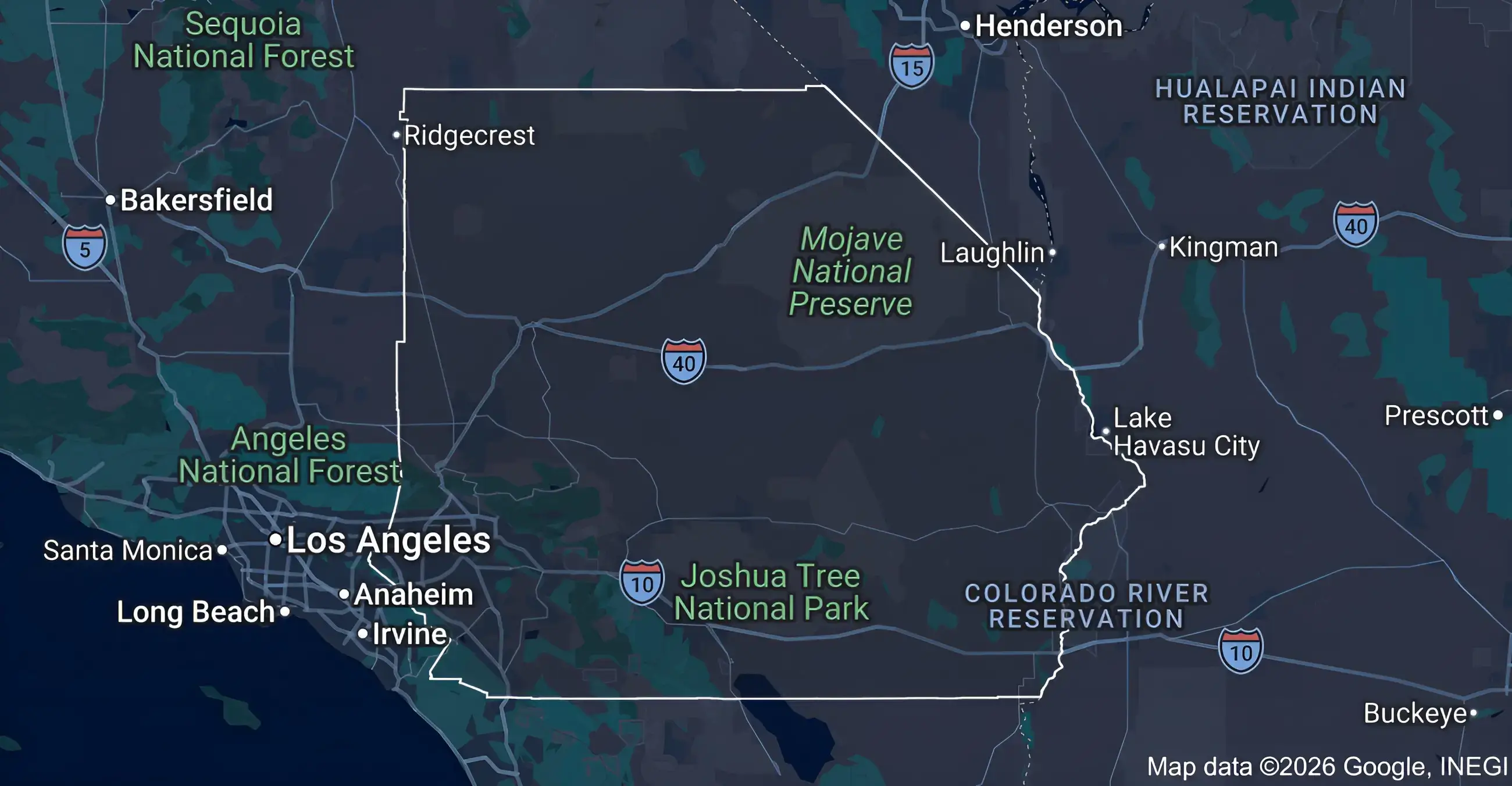
Inland Empire
Inland Empire service areaDon't see your city? Call us and we will confirm coverage.
Why AIRPRO SOLUTIONS
A technician who explains what they found
You get a plain-language summary of what was checked, what was cleaned, and what needs attention, so you can decide what to do next.
Related
Explore related services
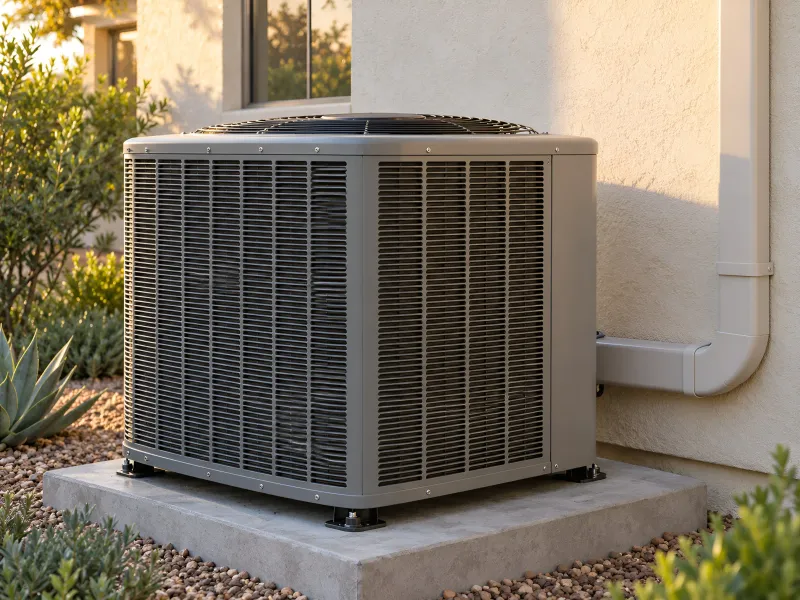
AC Repair
Diagnosis and repair for air conditioners that aren't cooling, blow warm air, leak, or make unusual noises.
View service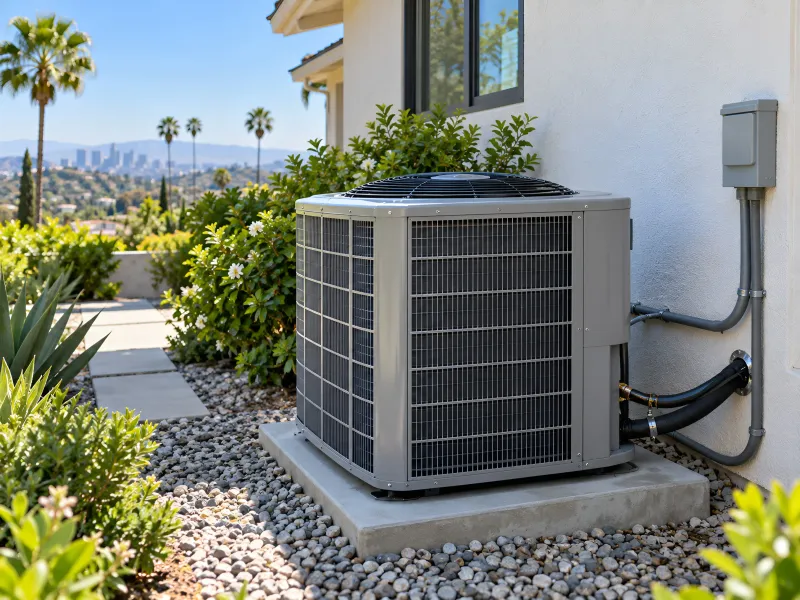
AC Installation
New air conditioner installation and system replacement, sized to your home or business.
View service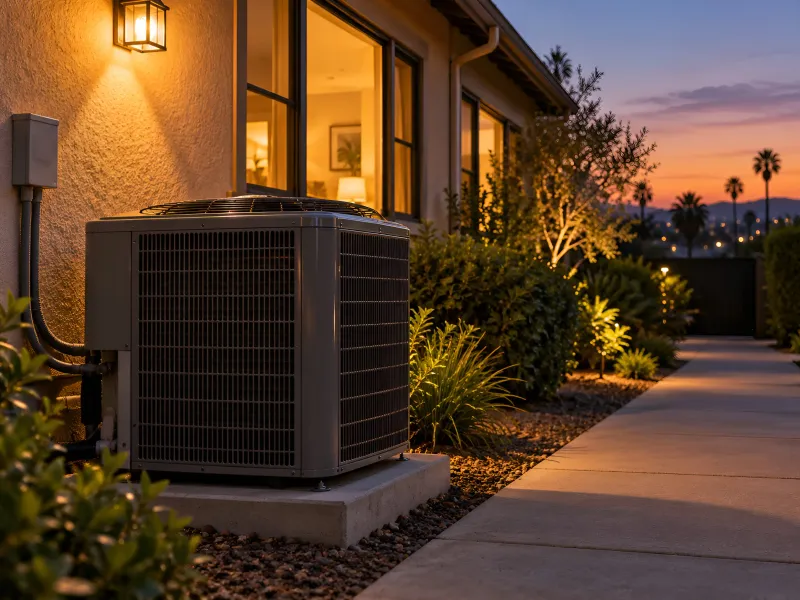
Emergency HVAC
24/7 dispatch for no-cool and no-heat emergencies that can't wait for a scheduled appointment.
View service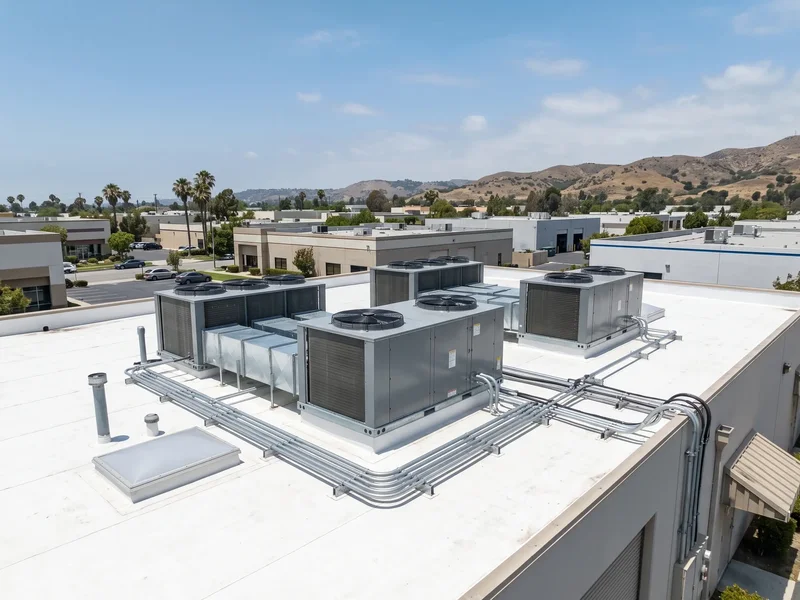
Commercial HVAC
Repair, replacement, and maintenance agreements for commercial buildings.
View serviceMore on this topic: Heat pump services · Ductless mini-split service · Ductwork and airflow · Indoor air quality · AC repair in Torrance
Direct answers
AC maintenance questions Southern Californians ask
How often should I schedule AC maintenance?
ENERGY STAR recommends a professional checkup once a year, before the cooling season. Spring is the practical time to book cooling service, because contractors get busier once summer heat arrives. Regular service can catch small problems early, but it cannot promise a system will never break down.
What is included in an AC tune-up?
A typical professional checkup covers controls, electrical connections, coils, the condensate drain, refrigerant level, and airflow. The exact checklist for your visit depends on your system. Anything beyond routine maintenance is a separate repair that the technician can discuss with you.
How much does AC maintenance cost in Los Angeles?
It depends on the system, the access, and what the visit finds. The number of systems, coil and drain condition, roof or difficult access, and any parts or refrigerant work all move the total. Call (323) 776-9047 and we will explain what applies to your property.
Can AC maintenance lower my energy costs?
It can address problems that reduce efficiency, but savings depend on your system. ENERGY STAR notes that dirty coils can make a system run longer, incorrect refrigerant levels reduce efficiency, and airflow problems can cut efficiency by up to 15 percent. Whether a visit lowers your bill depends on what the inspection finds and how you use cooling.
Should I change my AC filter between visits?
Yes. ENERGY STAR advises inspecting and cleaning or changing filters monthly. Central AC, furnace, and heat-pump systems all depend on a clean filter for airflow. Replace the filter whenever it looks dirty, and follow the manufacturer’s guidance for your filter type.
Why is water leaking near my indoor AC equipment?
A plugged condensate drain is one common cause, but the actual cause needs to be identified. ENERGY STAR notes that a plugged drain can cause water damage and affect indoor humidity. Arrange service before running the system further, and treat a serious leak near electrical equipment as urgent.
Why is my AC running but not cooling well?
Several faults can cause it, so it needs a diagnosis rather than a guess. Airflow, dirty coils, refrigerant, controls, and electrical or mechanical faults can all produce warm air. That is a repair diagnosis, not a routine tune-up, and it should not be assumed to be low refrigerant.
Is refrigerant included in AC maintenance?
A checkup may assess refrigerant level, but refrigerant work is usually separate. Leak detection, repair, recovery, and recharge are separate approved work. Adding refrigerant without finding the leak only restores cooling temporarily.
Do I have to replace my R-410A air conditioner in 2026?
No. The EPA says existing equipment can stay in use through its useful life. EPA's rules on which refrigerants may be used in new residential and light-commercial installations have changed more than once, and which rules apply depends on the equipment and when it was made or imported. Whether to replace an existing system depends on its condition, repair history, and your plans.
Do you maintain ductless mini-splits, heat pumps, or rooftop units?
Tell us what you have and we will confirm before booking. Each type has its own maintenance path. Mini-splits need indoor-head filters, coils, and drain routing checked. Heat pumps share the cooling-side checks of an AC. Rooftop units add roof access and scheduling. Call (323) 776-9047 with your equipment type.
Get your AC maintenance scheduled
Call us or request service online.