 AIRPRO SOLUTIONS
Heating Repair in Los Angeles and Southern California
Furnace not heating, a heat pump blowing cool air, or a system that keeps shutting off? AIRPRO SOLUTIONS provides residential and commercial heating repair in Los Angeles and across the South Bay, Orange County, and the Inland Empire.
- Licensed HVAC contractor
- Residential and commercial
- After-hours service
- 4 Southern California regions
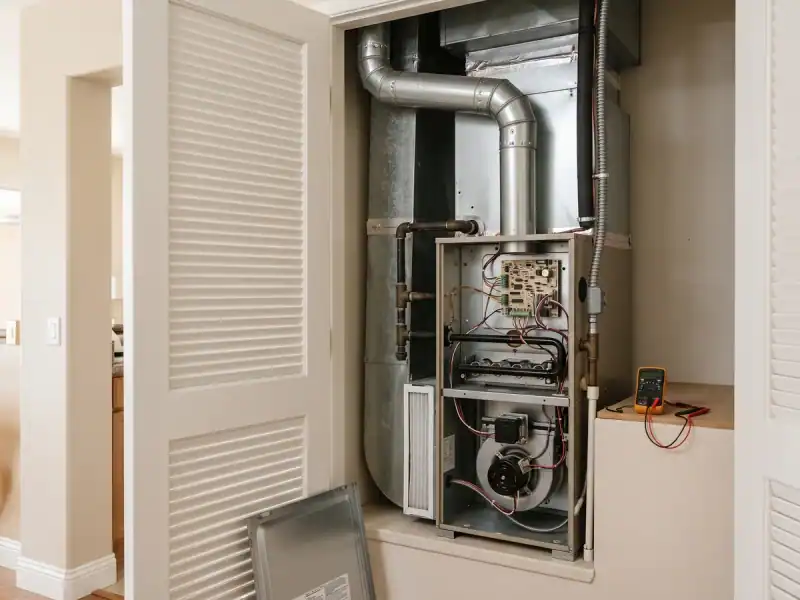 Heating system diagnostics
Quick answer
Heating repair is a diagnostic service followed by customer-approved corrective work. A technician identifies why a furnace, heat pump, or other heating system is not producing reliable heat, explains the cause, and repairs it once you approve the price.
Across Southern California
How Southern California conditions shape heating repair
Los Angeles County. Coastal areas have ocean moderation, while inland and foothill-adjacent areas can see different temperatures and heating loads. Older single-family homes, condos, apartments, and commercial buildings each change how a repair is planned, from older ductwork and thermostat issues to HOA access and tenant scheduling.
South Bay. Coastal influence can moderate conditions, but heating is still needed on cooler nights and during marine-layer periods. We work on furnaces, heat pumps, package units, and rooftop units at condos, single-family homes, and commercial and industrial sites, coordinating with tenants and landlords where needed.
Orange County. Coastal and inland communities can have different temperature profiles, so we diagnose the actual system instead of assuming a countywide pattern. That means split systems, heat pumps, package units, and mini-splits at homes, condos, and commercial properties. HOA rules for outdoor equipment vary by property.
Inland Empire. Inland areas can be hotter in summer and colder overnight in winter than the coast, which puts more weight on working heating, ducts, controls, and airflow. Work spans large single-family tracts and commercial sites such as warehouses, retail centers, offices, and restaurants.
Heating repair facts
- Existing R-410A equipment
- Can still be serviced and repaired. Owners are not required to replace a working system only because it uses R-410A
- Energy code
- The 2025 Building Energy Efficiency Standards apply to building permit applications submitted on or after January 1, 2026
- Incentives
- Availability depends on your utility, address, equipment ratings, permits, and current funding. TECH and HEEHRA funding may be reserved or waitlisted
Sources: NAHB - New refrigerants, California Energy Commission - 2025 Building Energy Efficiency Standards, LADWP - Consumer Rebate Program, SoCalGas - Rebates and incentives, TECH Clean California - Single-family incentives status
Cities we serve
Where we do this
Local pages for the cities we serve across Southern California.
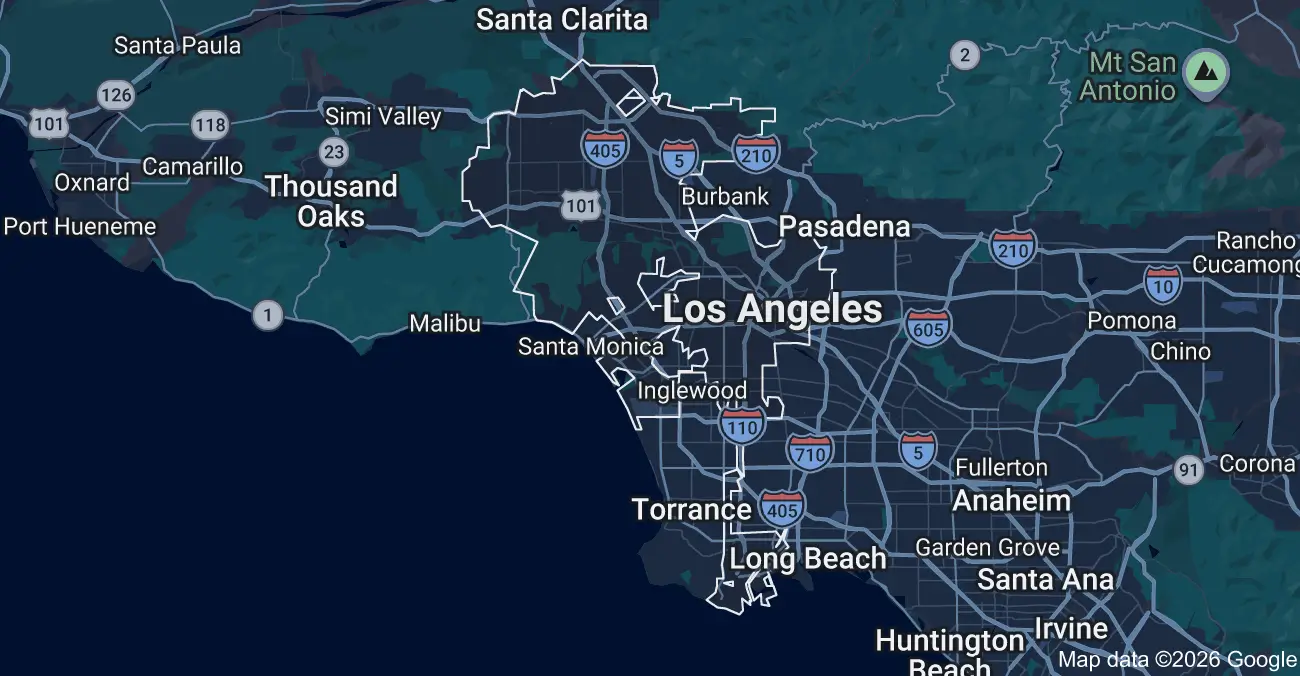
Los Angeles
Spans coast, basin, valley, and foothill conditions. Electric service from LADWP.
View area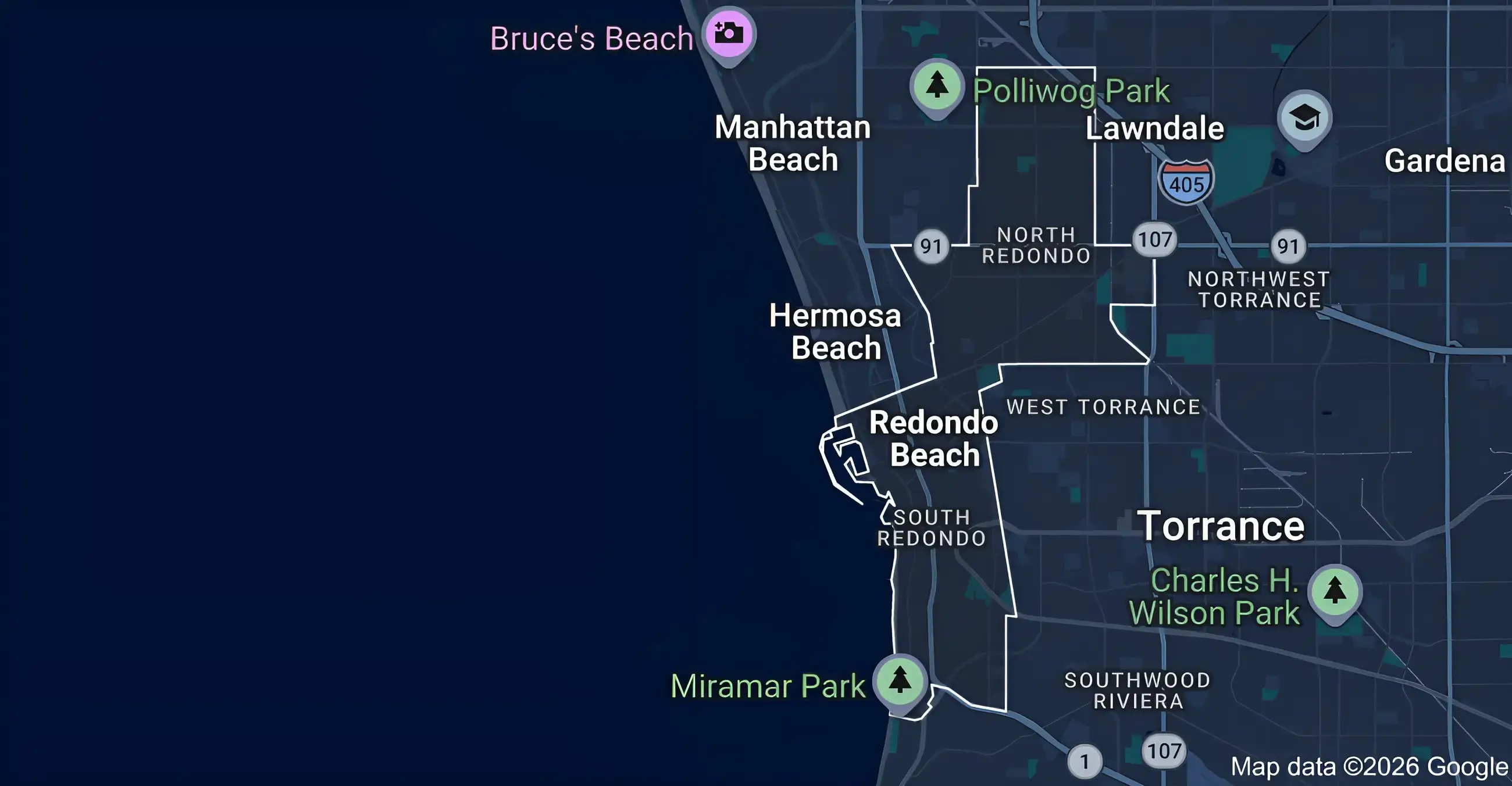
Redondo Beach
Multiple-family zoning and a mixed-use overlay. Noise limits depend on the neighboring use. Clean Power Alliance supplies generation.
View area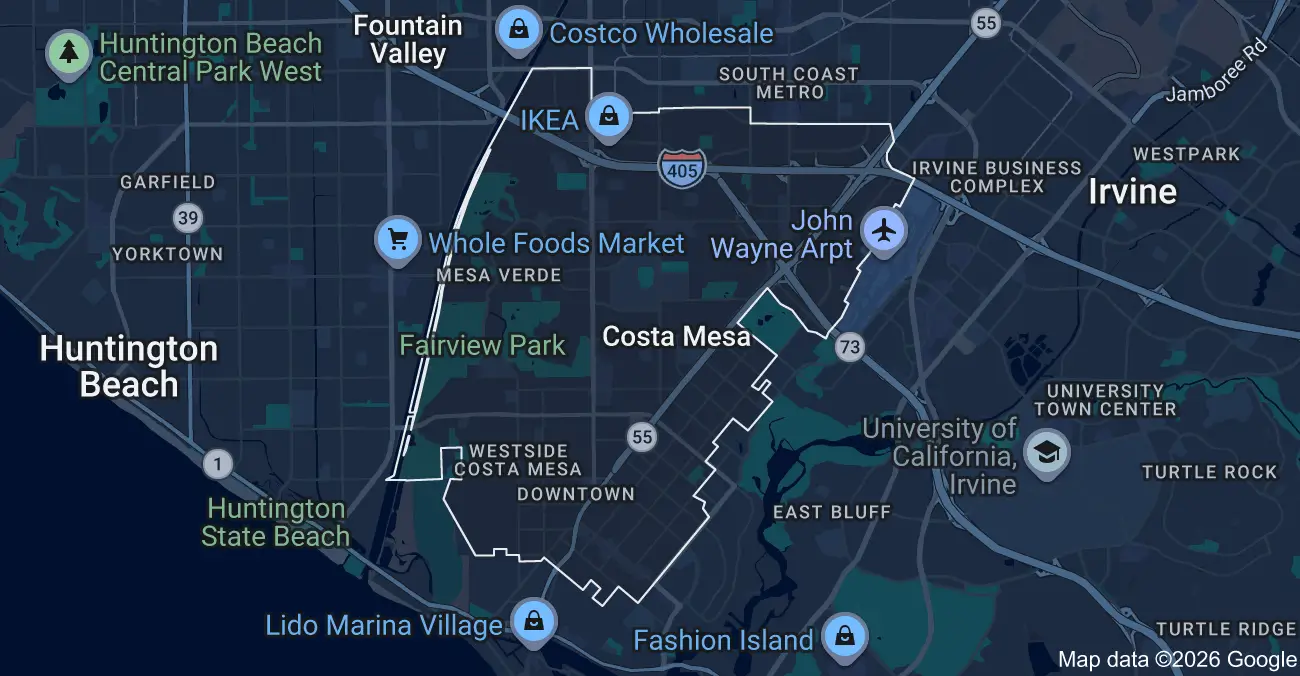
Costa Mesa
Nearly half of homes (49.6%) were built before 1970 (SCAG, 2017 American Community Survey), and 48.0% of units are multifamily (SCAG, 2018). The City's Insta-Permit covers single-family homes only, so condos, townhomes, and apartments use a different permit application.
View area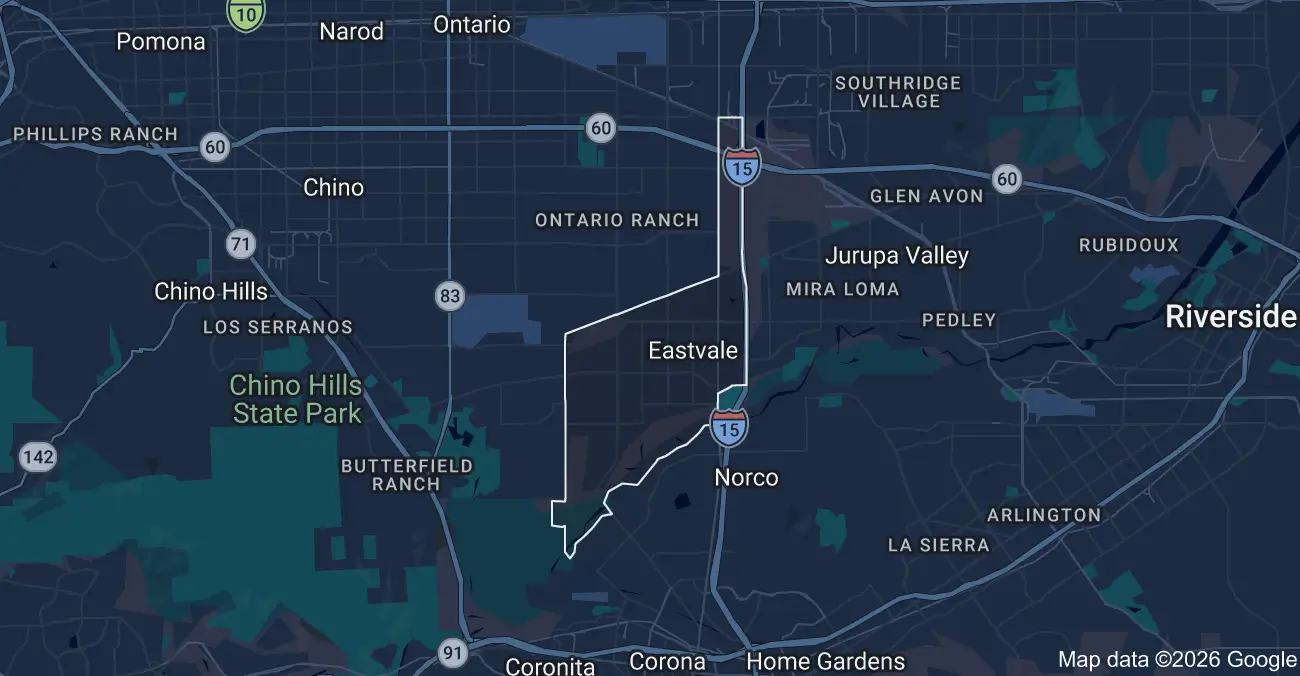
Eastvale
The City's Building Safety page says most permit types can be submitted online through the Eastvale Permit Portal, and its FAQ says permits are required to replace mechanical systems but does not name air conditioner replacement. QuickFacts reports a 78.0% owner-occupied housing unit rate for 2020 to 2024.
View area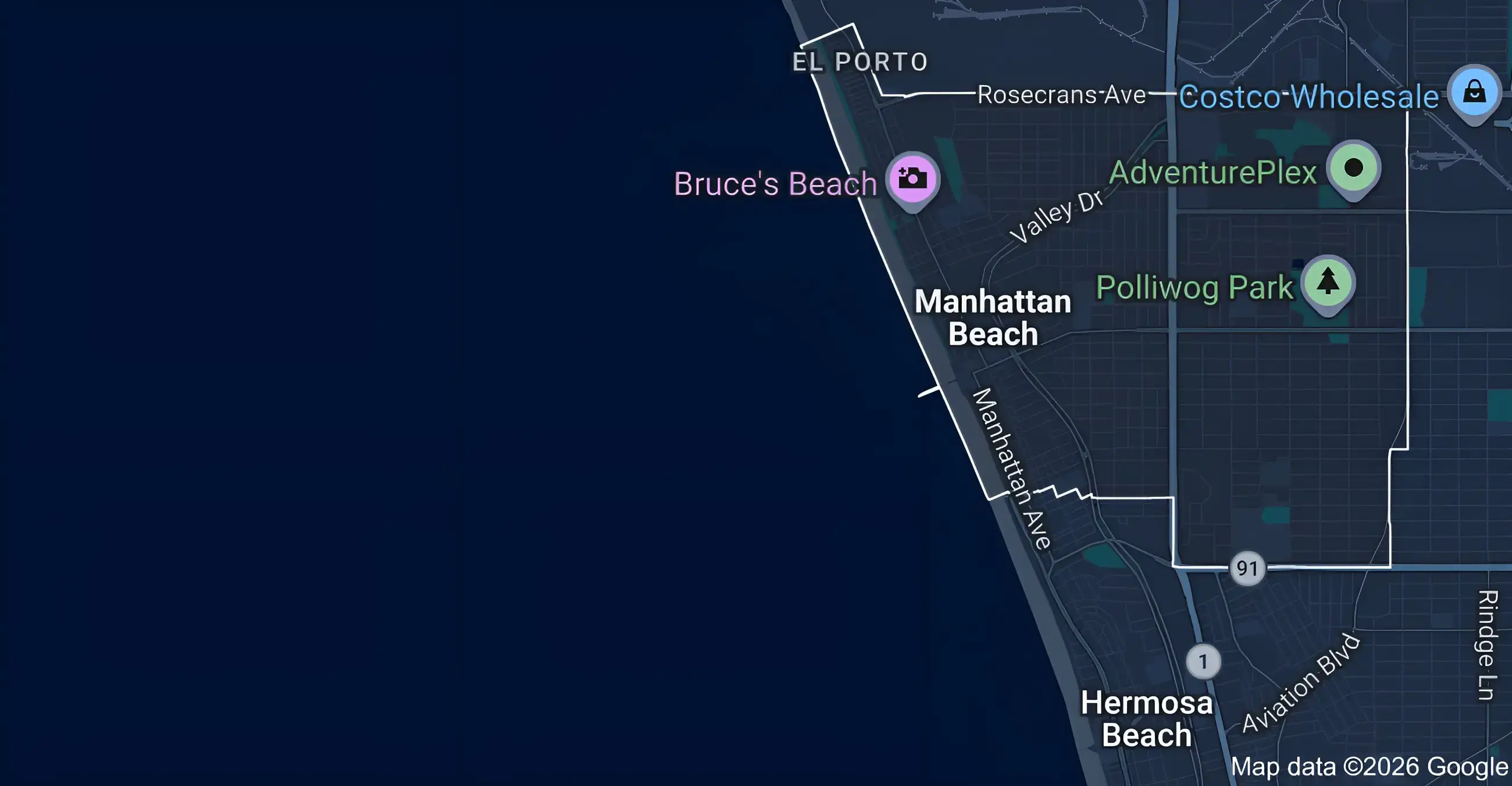
Manhattan Beach
Mechanical system work needs a permit, and equipment placement is confirmed with the city.
View area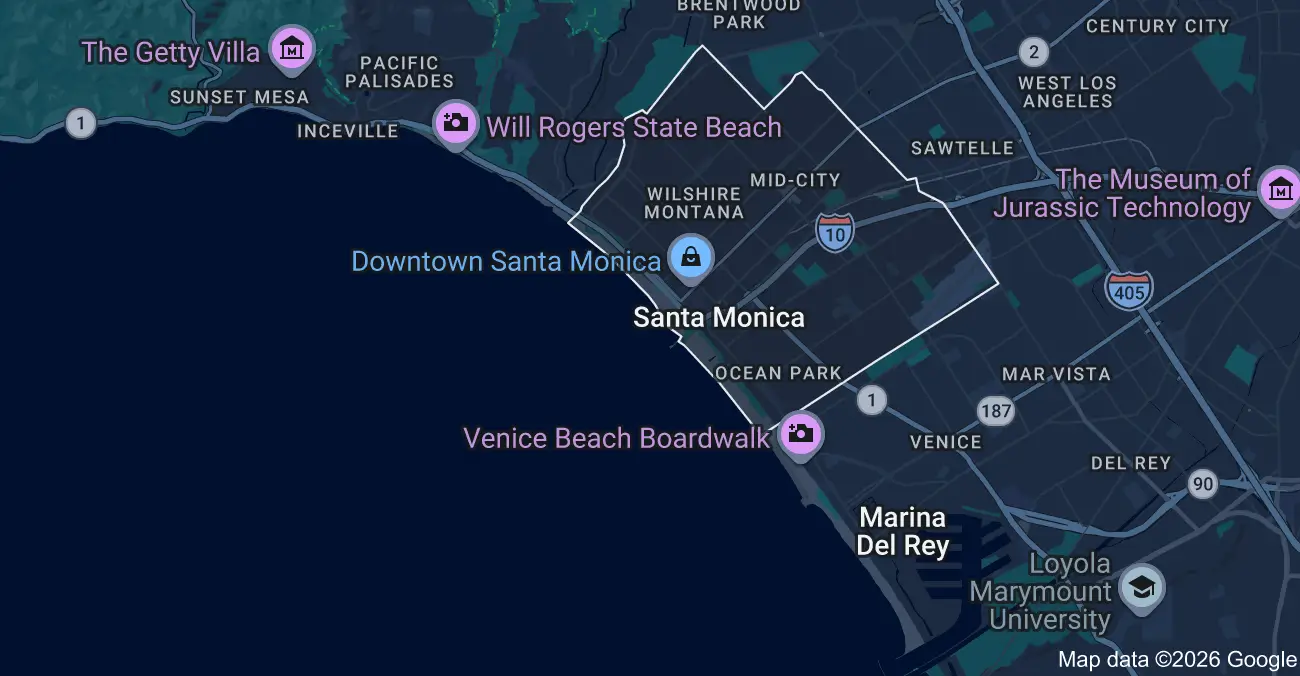
Santa Monica
Has its own equipment noise rules for outdoor units, and the most multifamily city here at 77.5% of housing units (2018).
View area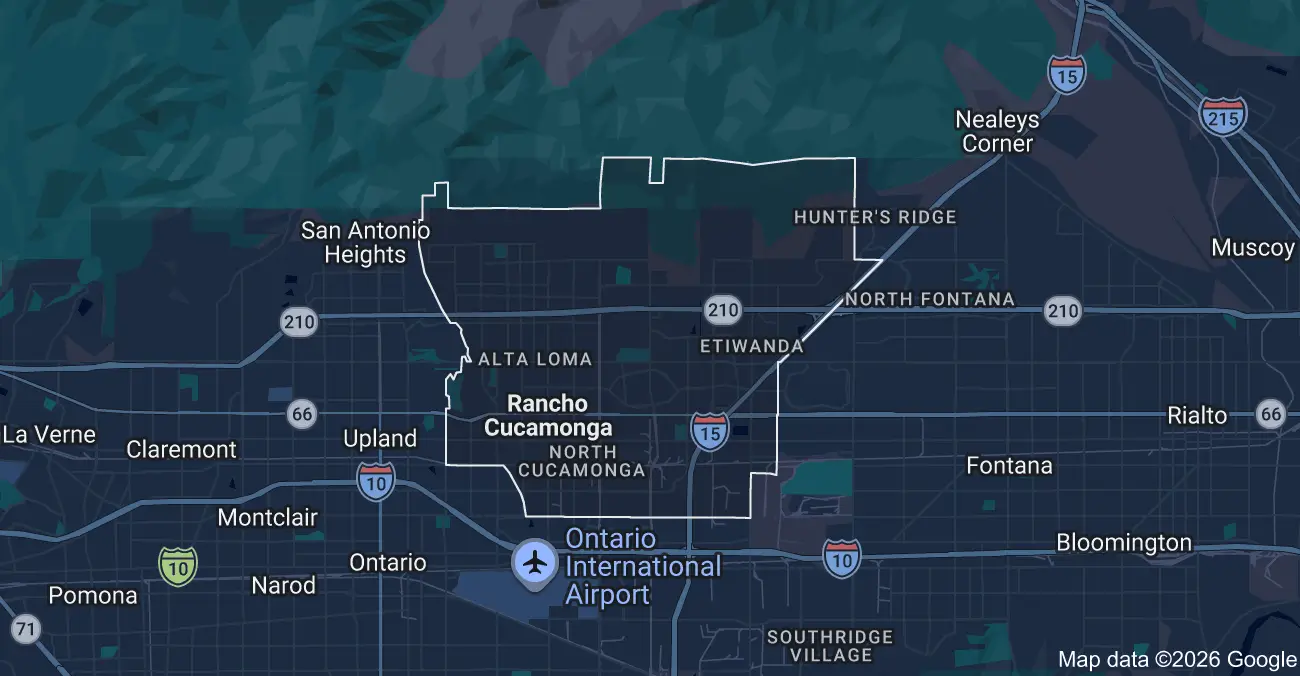
Rancho Cucamonga
Newer housing, with 9.6% of homes built before 1970 and 62.5% detached homes. The City takes every permit through its Online Permit Center, and its own municipal utility serves limited areas alongside SCE.
View area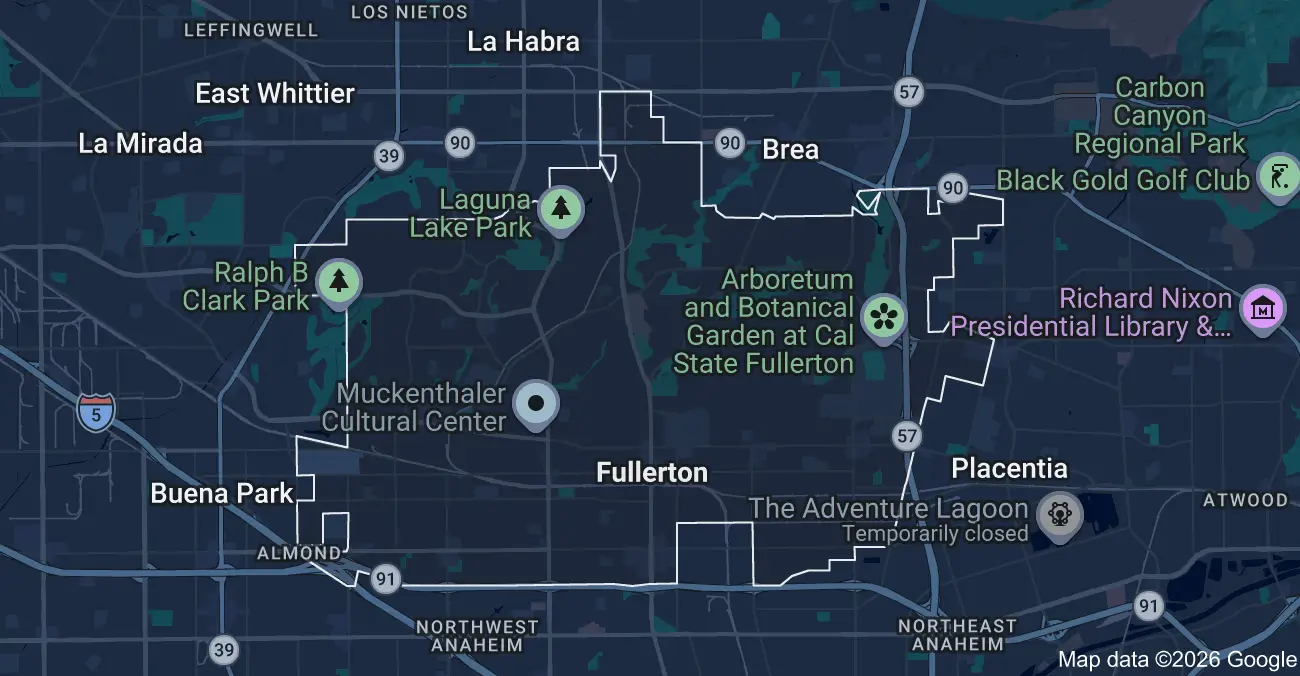
Fullerton
The City's Building and Safety page names its EasyDev online portal for permits, and its FAQ says no construction is allowed until the permit is issued. We confirm which permit your replacement needs with the City.
View areaIs this an emergency?
Get to safety first if:
- You smell gas: leave the building, avoid flames, sparks, and light switches, and call your gas utility or 911 from outside
- A carbon monoxide alarm sounds, or anyone feels dizzy, nauseous, or has a headache: get everyone outside and call 911
- You see smoke, soot, or flames around the equipment
- A burning or electrical odor lingers: shut the system off at the thermostat if it is safe to do so
- The system will not shut off
Once everyone is safe, call us to arrange a repair. Do not try to repair gas or combustion components yourself.
Signs you need this
Common signs your heating needs repair
Cold air from vents while the system is running
Weak or no airflow from one or more vents
Frequent cycling on and off, or a system that will not stay on
Clicking, banging, squealing, or grinding when the system starts or runs
Burning or electrical odor that lingers or comes with smoke
Uneven temperatures between rooms or floors
Many heating problems first appear when the system is turned on after months of limited use. A diagnostic visit can identify whether the issue involves ignition, airflow, controls, safety switches, a heat-pump defrost cycle, or another component.
Diagnosis
What your heating symptoms can mean
A symptom rarely points to one part. These are the faults a technician tests for, not a diagnosis. Cold air, short cycling, and no airflow can each have several causes, so the right repair depends on the equipment and what testing finds.
| What you notice | What a technician checks |
|---|---|
| Runs but blows cold air | Thermostat and controls, ignition, flame sensing, gas supply, limit switches, and airflow. Cold air has several possible causes and needs diagnosis. One failed part should not be assumed. |
| No airflow from vents | Blower motor, capacitor, control board, power, thermostat, filter, and ducts. A no-airflow complaint can involve electrical controls, the blower assembly, or an airflow restriction. |
| Turns on and off frequently | Thermostat, filter or airflow restriction, limit control, sizing, and flame sensing. Repeated restarts can signal control, airflow, or safety-shutdown issues, so short cycling should be evaluated. |
| Clicking, banging, squealing, or grinding | The ignition sequence, blower assembly, inducer motor, loose components, or worn bearings. New or severe noises warrant inspection, especially if heating performance changes. |
| Burning or electrical odor | Dust burn-off, an overheated electrical part, a motor, or wiring. If an odor is persistent, electrical, or smoky, shut the system down if it is safe to do so and have it evaluated. |
| Yellow, unstable, or unusual burner flame | Combustion, burners, venting, and the fuel and air mix. Gas-combustion irregularities require qualified inspection. Do not adjust burners yourself. |
| Water near an indoor heat pump or air handler | The condensate drain, defrost operation, coil, and drain pan. Water may come from condensate or defrost operation but should be diagnosed before it damages finishes or electrical parts. |
| Uneven temperatures | Thermostat zoning, ducts, airflow, insulation, and equipment capacity. Uneven heating is not automatically an equipment failure. Duct and building-envelope conditions can matter too. |
How it works
Our heating repair process
- 01
Triage
We ask about the symptom, the system type, whether it is gas-fired, and any safety concerns such as gas odor, smoke, or a carbon monoxide alarm.
- 02
Inspect
The technician checks the thermostat, power supply, filter, airflow, fault codes, controls, and accessible equipment.
- 03
Safety check
On gas-fired equipment, the technician may inspect ignition, flame sensing, burners, venting, draft, safety switches, and gas controls.
- 04
Diagnose and quote
You get the cause, the recommended repair, expected parts and labor, whether it is safety-critical, and whether replacement is worth discussing.
- 05
Repair
We complete the repair you approve. Nothing beyond diagnosis is installed until you say yes.
- 06
Verify
We confirm startup, heating operation, airflow, thermostat response, fault-code status, and applicable combustion or safety checks.
The visit
What is included and what can cost extra
A typical heating repair visit may include
- Service call and diagnostic evaluation
- Symptom review and inspection of accessible equipment
- Basic safety evaluation suited to the equipment and complaint
- A repair recommendation
- Your approved repair
- Basic operational checks after the repair
- Confirmation that the system starts and heats
What can add to the cost
- Diagnostic or service-call fee
- After-hours, weekend, or holiday dispatch
- Replacement parts and the labor to install them
- Major electrical work such as panel upgrades, new circuits, or disconnects
- Gas piping, venting, drain, duct, structural, roof, or crane work
- Access constraints such as HOA approval, lifts, rooftop access, or tenant coordination
- Commercial after-hours work
- Permit fees and Energy Code documentation when equipment is replaced or installed
Ask your technician which of these apply to your job before you approve the work.
Equipment
Systems we diagnose
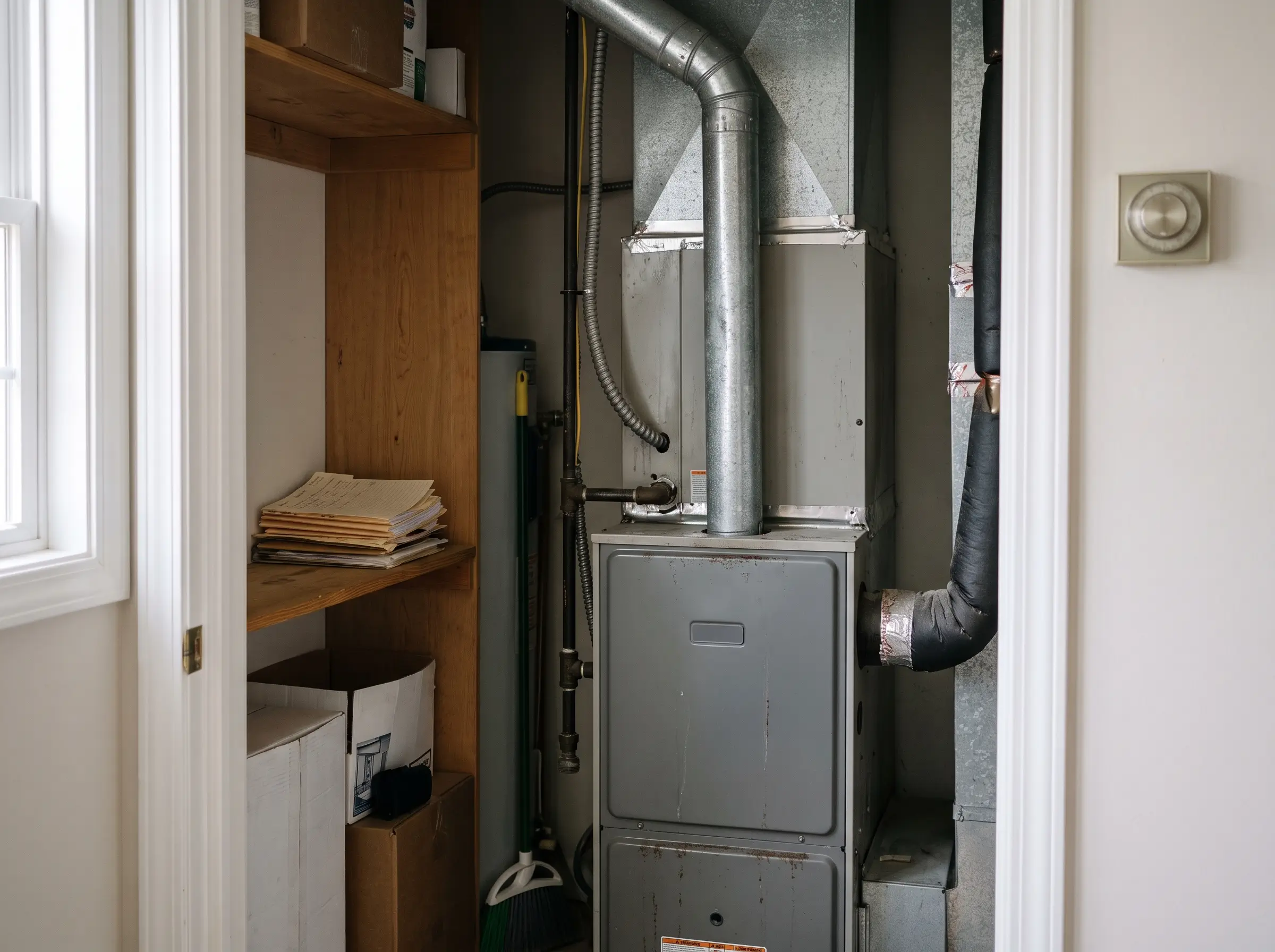
Tell us what you have and we will confirm we can service it. Thermostats, controls, and ductwork are part of the diagnosis on every system.
Gas furnaces
Burners, igniters, flame sensors, gas valves, pressure switches, inducer and blower motors, limit switches, control boards, heat exchangers, and flues.
Electric furnaces and air handlers
Heating elements, relays and sequencers, breakers, contactors, blower assemblies, controls, and safety switches.
Heat pumps
The outdoor unit, reversing valve, defrost controls, sensors, control boards, indoor air handler, auxiliary heat, refrigerant circuit, and condensate system.
Packaged units
Heating and cooling components in one cabinet, found on roofs, pads, balconies, and commercial sites.
Ductless mini-splits
Indoor wall, ceiling, or concealed units, an outdoor unit, refrigerant lines, controls, and condensate drainage.
Rooftop units and unit heaters
Commercial equipment with burners or heat-pump sections, controls, belts, motors, igniters, sensors, and filters.
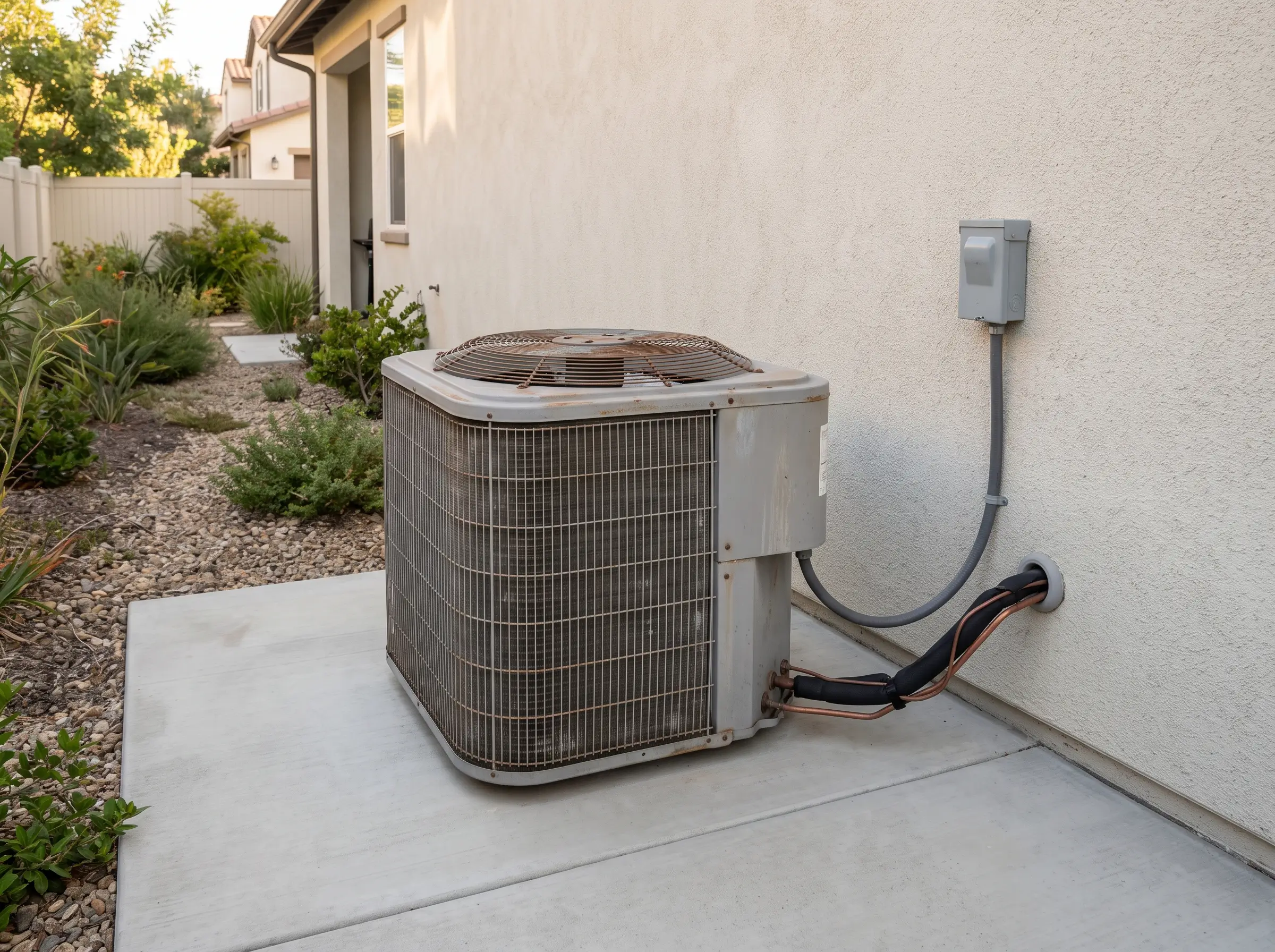
Can an R-410A heat pump still be repaired?
Yes. Existing R-410A equipment can still be serviced and repaired, and owners are not required to replace a working system only because it uses R-410A. The refrigerant transition applies to new equipment. New residential and light-commercial heat pumps and air conditioners are moving to lower-GWP refrigerants such as R-454B and R-32, which are classified A2L (lower flammability). Those systems need compatible equipment and installation practices and are not interchangeable with R-410A equipment. A technician can assess whether repair remains practical for your system.
Source: NAHB - New refrigerants
Pricing
What affects heating repair cost
Heating repair pricing depends on what testing finds, not just the symptom. After diagnosis, ask for a written repair option that identifies the issue, the recommended scope, and the total before work begins.
| Repair type | What moves the price |
|---|---|
| Thermostat, flame sensor, igniter, capacitor, or relay | The part, access, the equipment, and whether another fault is found |
| Blower motor, inducer motor, control board, or gas valve | Exact part and model, availability, labor time, access, safety testing, and warranty coverage |
| Heat exchanger or another complex repair | Furnace age, safety condition, replacement cost, compatible parts, efficiency, permits, and replacement scope |
| Rooftop or commercial unit repair | Roof access, lift or crane needs, scheduling, and building controls |
Your price depends on the failed part, labor, access, urgency, and equipment condition.
Not sure which you need?
Repair or replace?
Repair may make sense when
- The issue is isolated and the system is otherwise safe and serviceable
- The repair cost is reasonable for the equipment
- Compatible parts are available
- Breakdowns have been rare
- The current heating approach still fits the property
Replacement may make sense when
- A safety-critical component has failed
- Repair costs are substantial
- Parts are unavailable
- The system has repeated breakdowns
- The property needs a different heating approach
There is no single age or dollar threshold that applies to every system, so fixed rules of thumb can mislead. A qualified technician should evaluate the equipment and the project scope before recommending either path.
If the repair is major or the system has a history of breakdowns, we can provide a repair option and a replacement comparison so you can decide with the actual numbers.
The rules
Licensing, permits, and energy-code basics
Licensing
California C-20 contractors are authorized to install, service, and repair warm-air heating and HVAC systems, including associated ducts, flues, controls, and filters. Check any contractor’s current license and insurance on the CSLB website before work begins.
Permits
A permit may be required for HVAC installation, replacement, relocation, or modification. Requirements vary by scope and by the local building department, and not every repair needs one. For replacements, we can explain the permit path before work begins.
Energy code
California’s 2025 Building Energy Efficiency Standards apply to building permit applications submitted on or after January 1, 2026. They can affect system replacement and major alterations. Ordinary repair or component replacement may not follow the same documentation path, depending on scope and jurisdiction.
If repair leads to replacement
Rebates and incentives
Incentives matter mostly when diagnosis leads to replacement or a switch to a heat pump, not for routine repair. Availability depends on your utility, address, equipment ratings, permits, and current funding. Confirm eligibility before you buy.
LADWP
Heat-pump HVAC rebate. Eligible LADWP customers may qualify for a heat-pump HVAC rebate. Confirm your service address, equipment rating, program terms, and funding before purchase.
LADWP rebate program →SoCalGas
Natural-gas furnace rebate. Eligible SoCalGas customers may qualify for rebates on qualifying high-efficiency natural-gas furnaces, subject to permit closure, product eligibility, funding, and program rules.
SoCalGas rebates →TECH and HEEHRA
Funding may be reserved. Availability is funding-dependent and may be reserved or waitlisted. Verify current project eligibility before you count on an incentive.
TECH program status →Who this is for
Residential and commercial heating repair
- Single-family homes
- Condos and townhomes
- Apartment communities
- Office buildings
- Retail and restaurants
- Rooftop package units
Access matters as much as the fault. Condos and HOA properties, apartments, rooftops, attics, and older ductwork each change how a repair is planned, and landlords, property managers, and tenants often need to coordinate. We assess the property and the equipment, not the ZIP code. Commercial HVAC · Residential HVAC
Where we work
Heating repair across Southern California
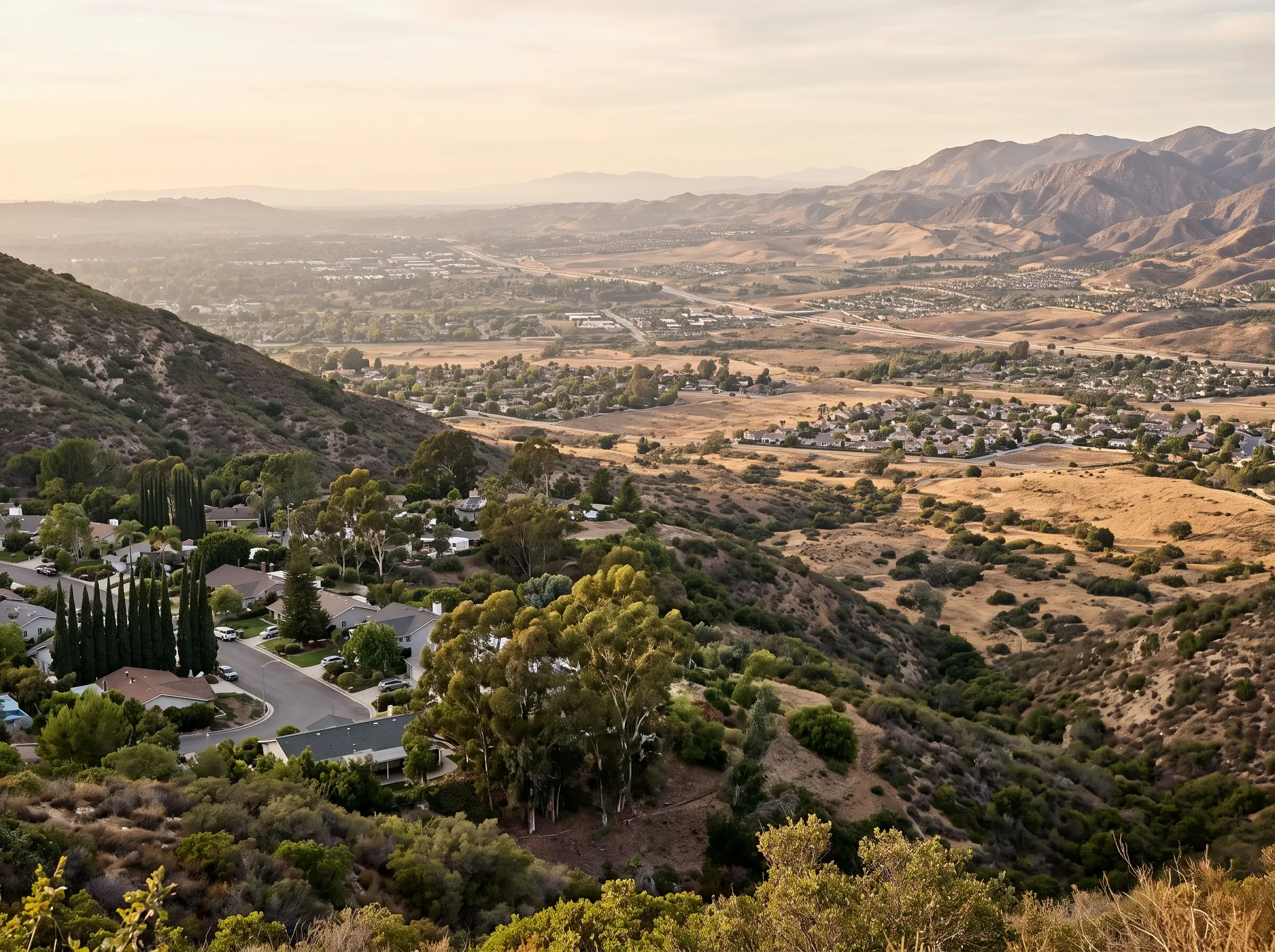
Southern California is not one heating market. Coastal areas are moderated by the Pacific, while inland valleys and foothill areas can see materially different temperatures. California Energy Commission standards rely on location- and building-specific compliance instead of one statewide sizing assumption. Weather tells you how urgent a breakdown feels. It does not tell a technician which part failed.
Dust can collect on filters and equipment, and salt air may affect outdoor metal near the coast, but neither explains a particular failure without an inspection.
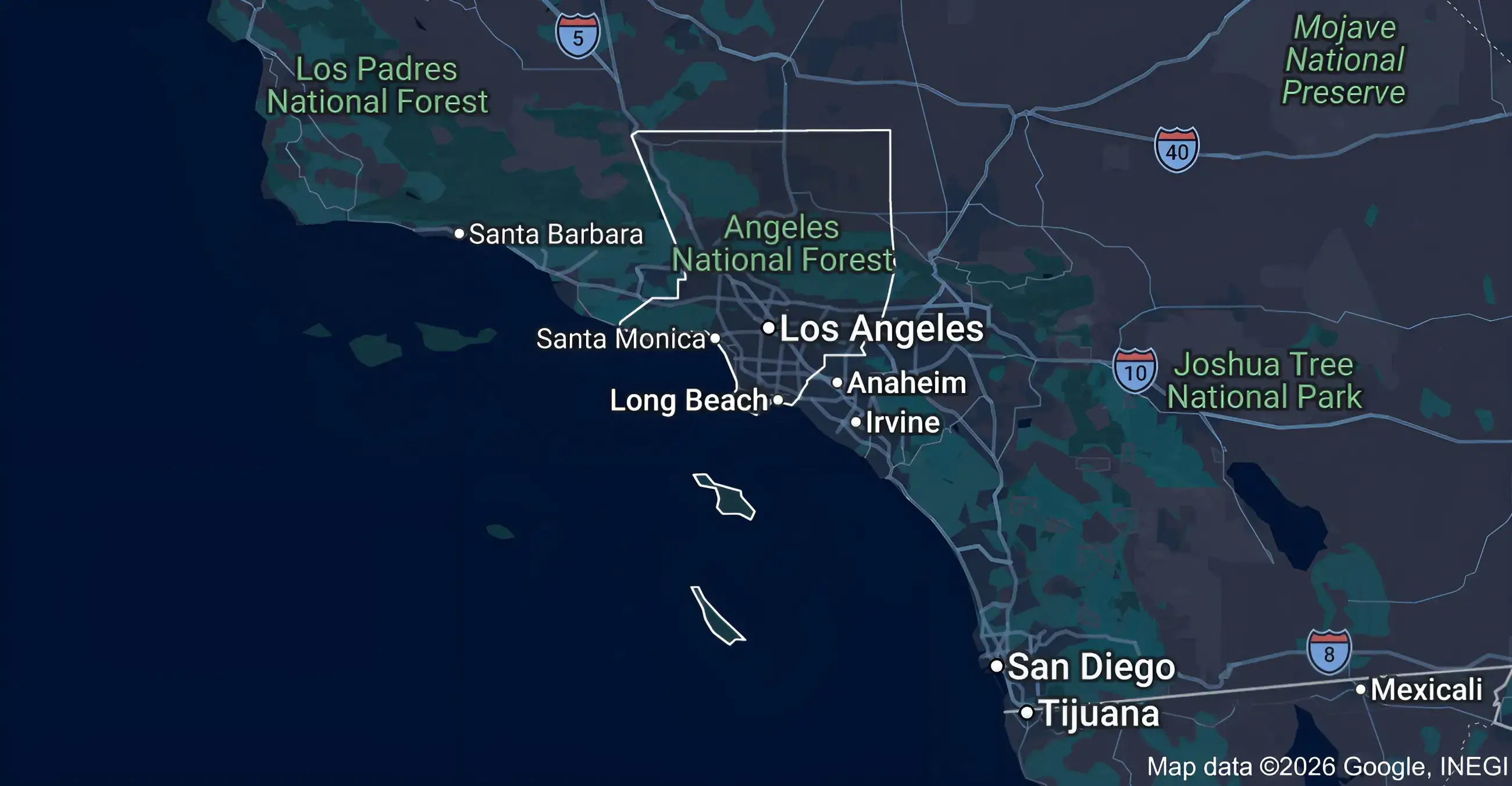
Los Angeles County
Heating repair in LA County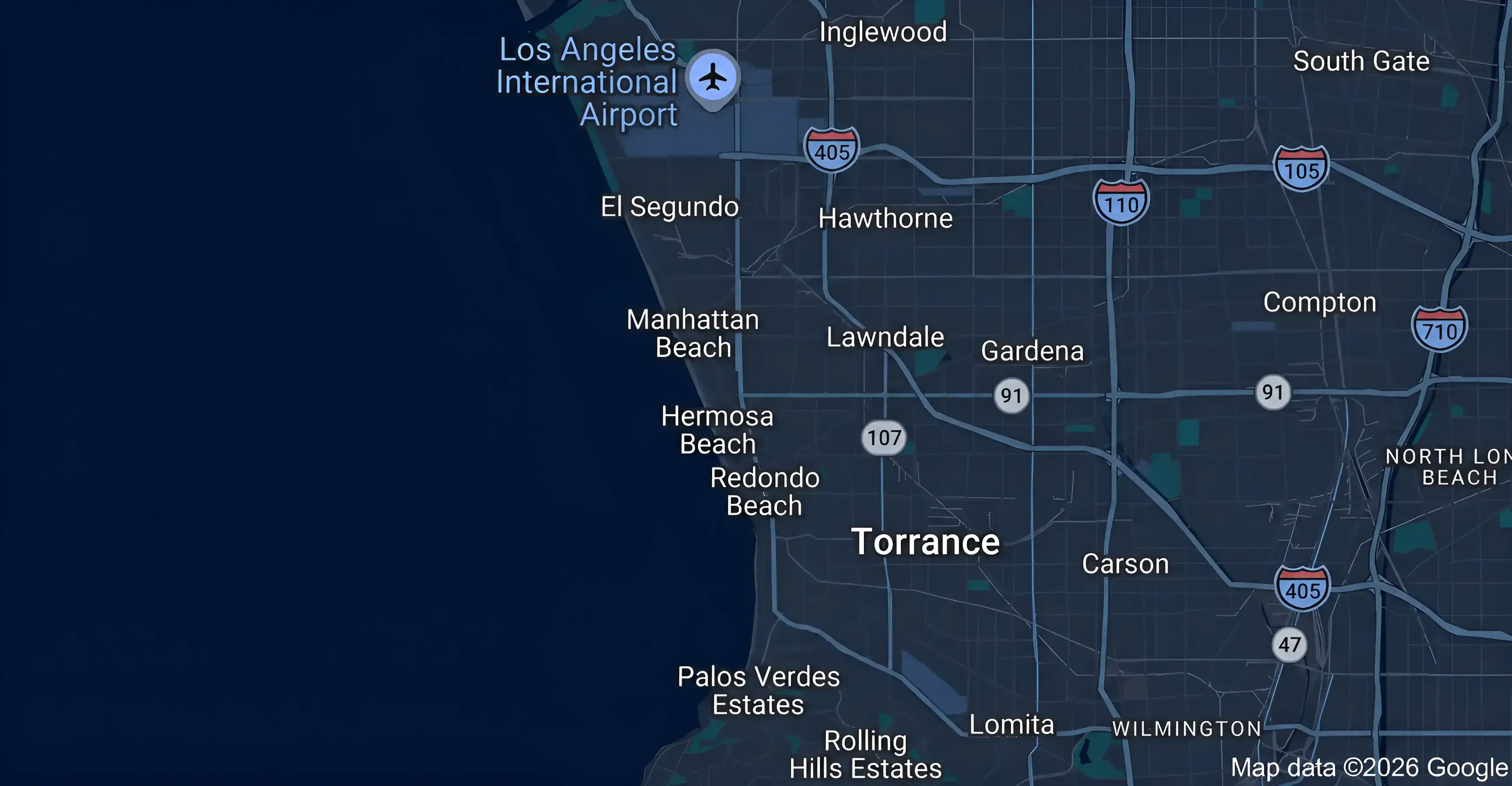
South Bay
Heating repair in South Bay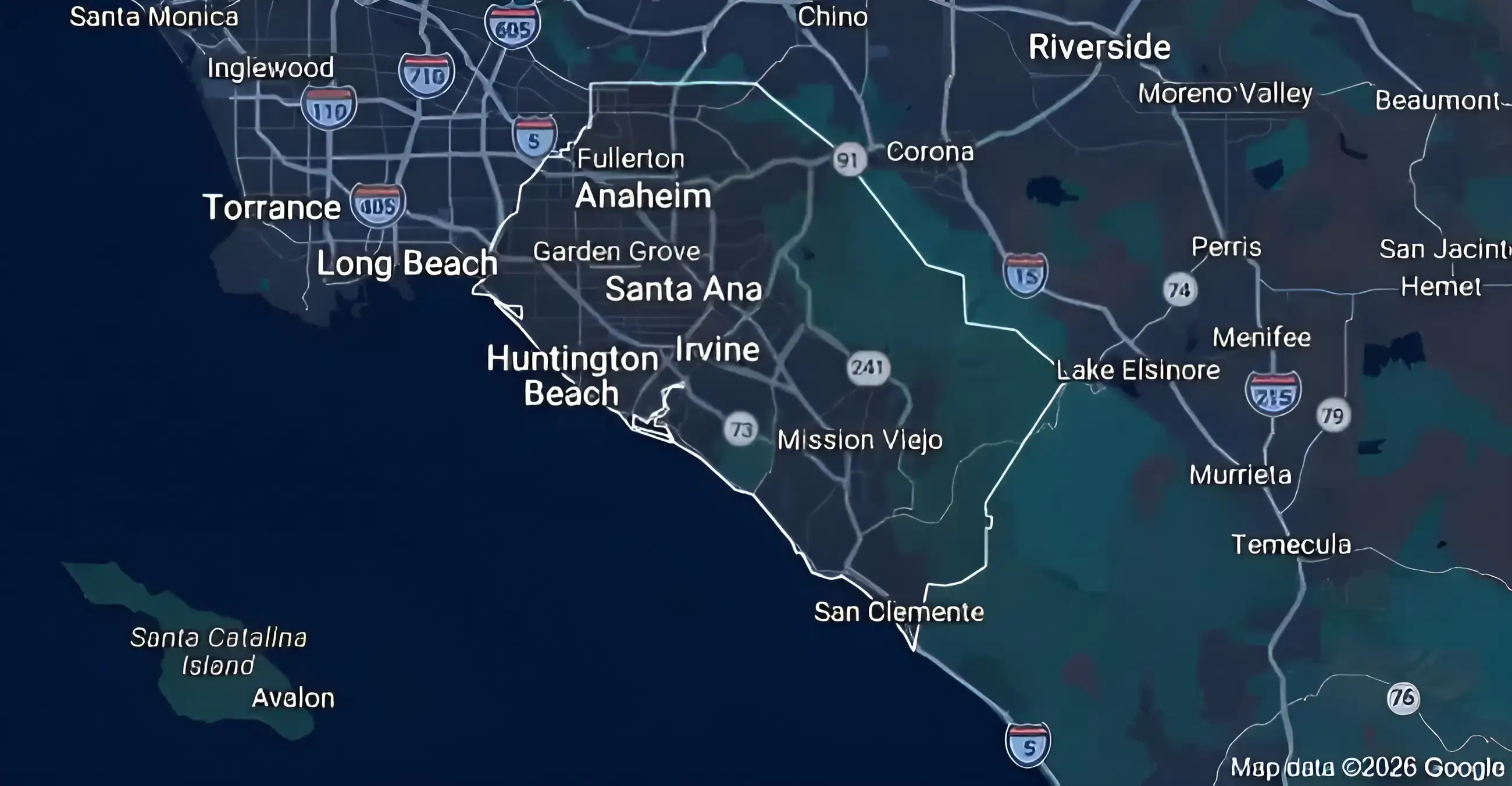
Orange County
Heating repair in Orange County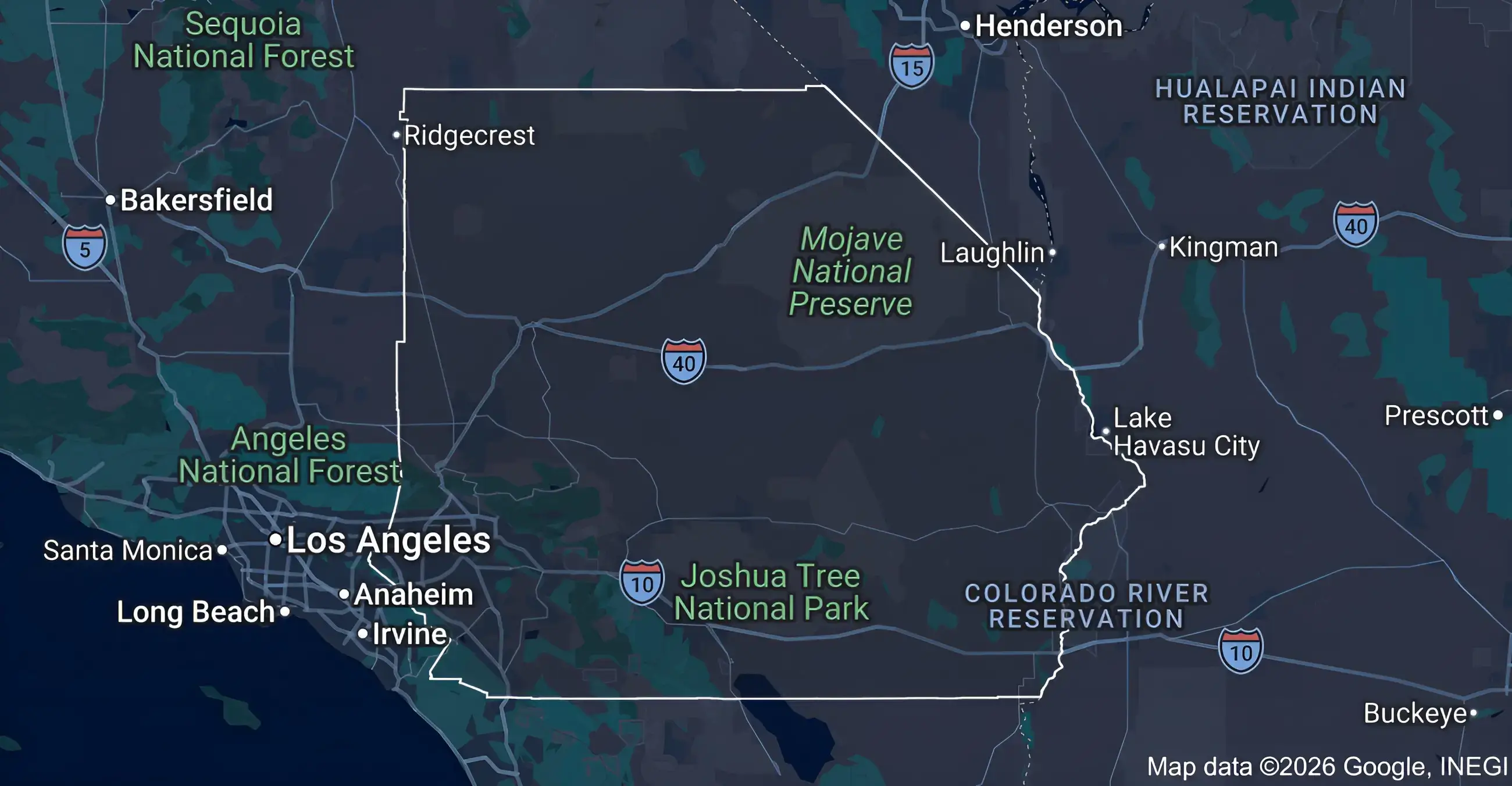
Inland Empire
Heating repair in Inland EmpireDon't see your city? Call us and we will confirm coverage.
Why AIRPRO SOLUTIONS
A technician who explains what is actually wrong
The technician goes over the diagnosis and your repair options with you.
Related
Explore related services
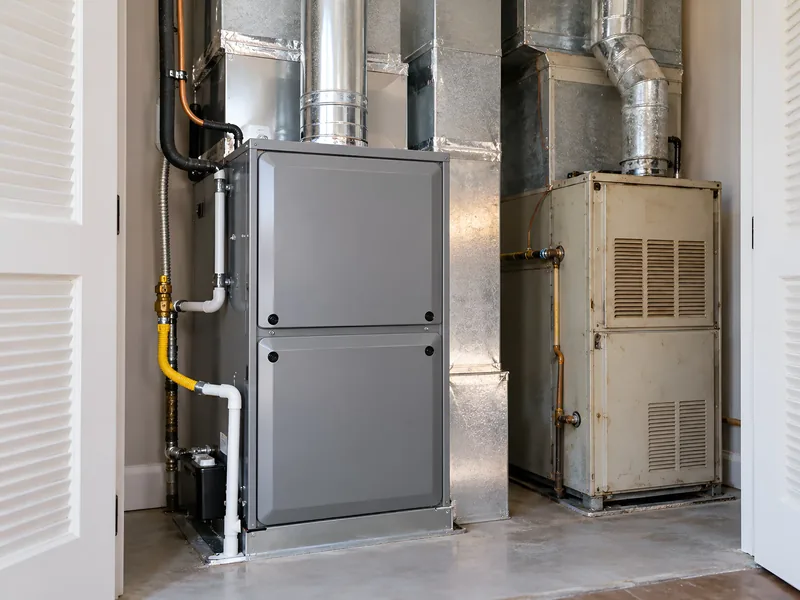
Furnace Installation
Furnace installation and replacement for homes and businesses across Southern California.
View service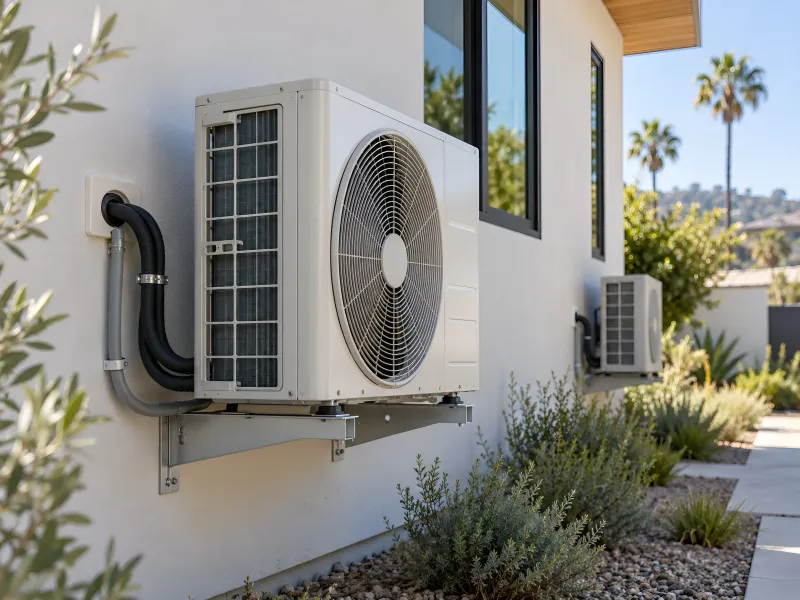
Heat Pump Services
Installation, repair, and maintenance for heat pump systems that handle both heating and cooling.
View service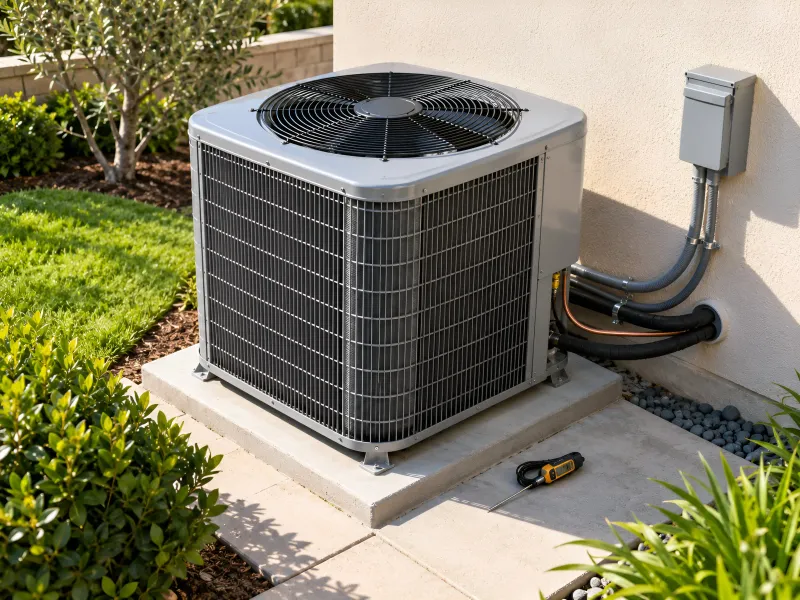
AC maintenance
A pre-season tune-up checks controls, electrical connections, coils, the condensate drain, and airflow so small problems can be found early.
View service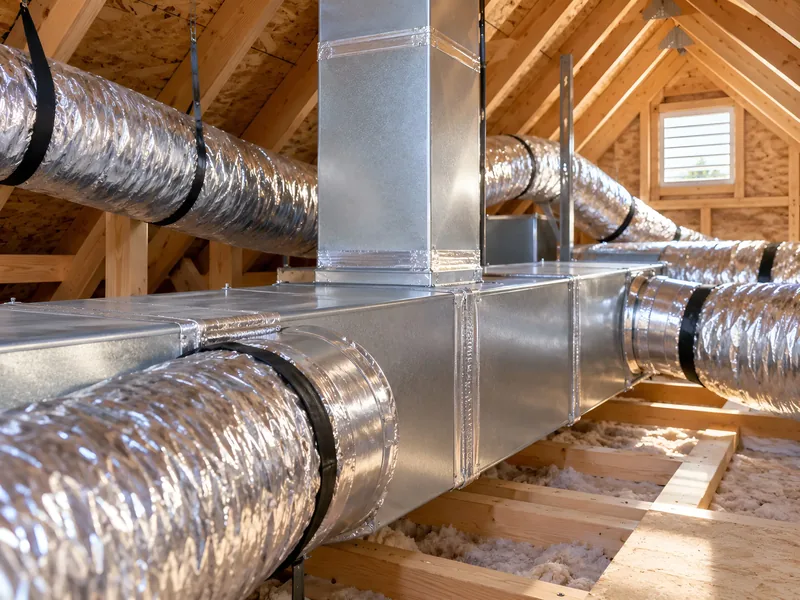
Ductwork
Duct inspection, sealing, repair, and design for uneven airflow, energy loss, and air quality issues.
View serviceMore on this topic: Ductless mini-split · Indoor air quality · AC repair if your system also cools · AC installation when equipment is near the end of its life · Emergency HVAC · Commercial HVAC · Service areas
Direct answers
Heating repair questions Southern Californians ask
Why is my furnace blowing cold air?
Cold air can have several causes, so a technician should diagnose it instead of replacing a part based on the symptom. Possible causes include the thermostat, airflow, ignition, flame sensing, gas supply, controls, and limit switches.
What should I do if I smell gas near my furnace?
Leave the area right away. Avoid flames, sparks, and operating electrical switches, and call your gas utility or 911 from a safe location. Do not try to diagnose or repair a possible gas leak yourself.
How much does furnace repair cost in Los Angeles?
Price depends on the failed part, labor, access, urgency, and equipment condition. Ask for a written repair option with the total before you approve any work.
Can my R-410A heat pump still be repaired?
Yes. Existing R-410A equipment can still be serviced and repaired, and owners are not required to replace a working system only because it uses R-410A. A technician can assess whether repair remains practical for your system.
What refrigerant will a new heat pump use?
New equipment is moving to lower-GWP refrigerants, commonly R-454B or R-32, depending on the manufacturer and system. Both are A2L refrigerants and require compatible equipment and installation practices.
Does a heating repair require a permit in California?
Not every repair has the same permit requirement. HVAC installation and modification generally require permits, while the requirement for a specific repair depends on scope and the local building department. Confirm with the city or county that has jurisdiction.
Should I repair or replace my furnace?
Consider the diagnosis, safety condition, repair cost, repeat breakdowns, parts availability, age, energy performance, and replacement scope. There is no single age or dollar threshold that applies to every system. A qualified technician should evaluate the equipment before recommending either path.
How long does heating repair take?
It depends on the problem. Some repairs can be completed in one visit when the problem is clear and the part is available. Complex repairs can take longer because of part availability, access, safety testing, or added diagnosis. Your technician gives you an estimate after diagnosis.
Can a heat pump provide heat in Southern California?
Yes. Heat pumps are used for both heating and cooling, and California's current Energy Code promotes their use in new residential construction. Whether one fits a specific property depends on building conditions, equipment design, and project scope.
Are there rebates if I replace my heating system?
It depends on your utility, address, equipment ratings, program rules, permits, and current funding. LADWP and SoCalGas list qualifying incentives. Statewide TECH and HEEHRA single-family funding was listed as fully reserved in 2026, so confirm current eligibility before you count on an incentive.
Get your heating repair scheduled
Call us or request service online.