 AIRPRO SOLUTIONS
Emergency HVAC Repair in Los Angeles and Southern California
No cooling in a heat wave, no heat on a cold night, water where it should not be, or a burning smell from your system? AIRPRO SOLUTIONS provides emergency residential and commercial HVAC repair across Los Angeles, the South Bay, Orange County, and the Inland Empire. Call (323) 776-9047 to ask about availability for your address.
- Licensed HVAC contractor
- Residential and commercial
- Gas, smoke, or CO: call 911 first
- 4 Southern California regions
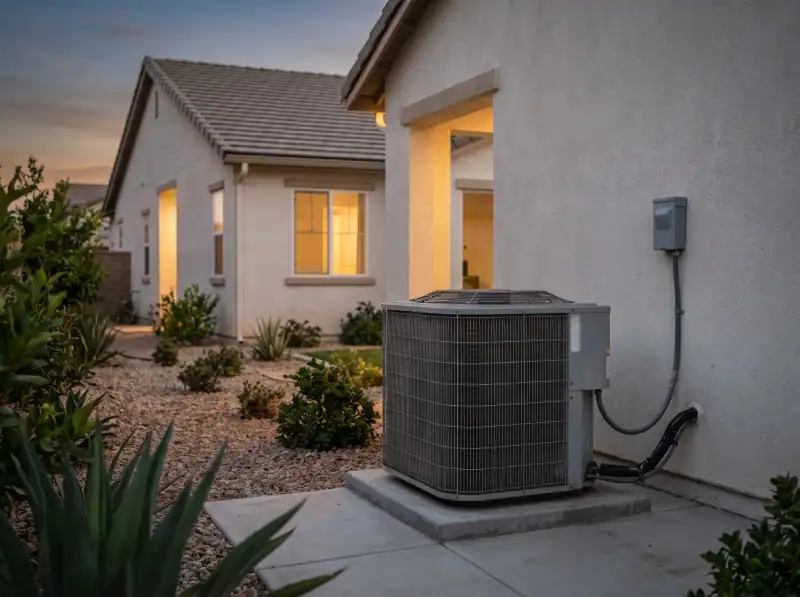 Emergency HVAC repair with 24/7 dispatch
Quick answer
Emergency HVAC repair is a fast-tracked diagnosis and repair when a cooling or heating system fails at a time or in a way that cannot wait. Suspected gas leaks, smoke or fire, and carbon monoxide alarms are life-safety events. Leave the building and call 911 or the gas utility first.
Across Southern California
How Southern California conditions shape emergency HVAC repair
Los Angeles County. The county runs from the coast to inland valleys and foothills, and heat warnings can cover both inland communities and some coastal areas. When cooling fails during a heat advisory, we work through electrical, combustion, and drainage safety first, then the repair.
South Bay. Coastal influence keeps many days milder, but heat waves can still reach the area. Cooling failures in condos, coastal homes, townhomes, and small commercial spaces still need an accurate diagnosis of airflow, electrical, drainage, and refrigerant issues.
Orange County. Coastal and inland Orange County differ during heat events, with coastal moisture moderating some areas. We handle no-cooling, no-heat, drainage, and control failures based on the actual equipment and access.
Inland Empire. Inland valleys and the Riverside area see higher heat exposure, so a total loss of cooling gets serious faster there. Temperature alone does not identify the fault, so we explain system shutdown, airflow, and electrical symptoms before recommending a repair.
Emergency HVAC facts
- Carbon monoxide alarm
- Get everyone outside immediately and call 911 or your local emergency number from outside
- Coast and valley
- NASA JPL's analysis of two heat waves in the summer of 2020 found southern LA County and Orange County stayed cooler, given their proximity to the Pacific Ocean and coastal moisture, while valley regions including San Fernando and Riverside skewed drier and hotter
- Existing R-410A systems
- The EPA allows R-410A components to be used to service existing systems
Sources: U.S. EPA - Help Yourself to a Healthy Home, NASA JPL - Southern California heat-wave differences, U.S. EPA - HFC phasedown FAQ
Cities we serve
Where we do this
Local pages for the cities we serve across Southern California.
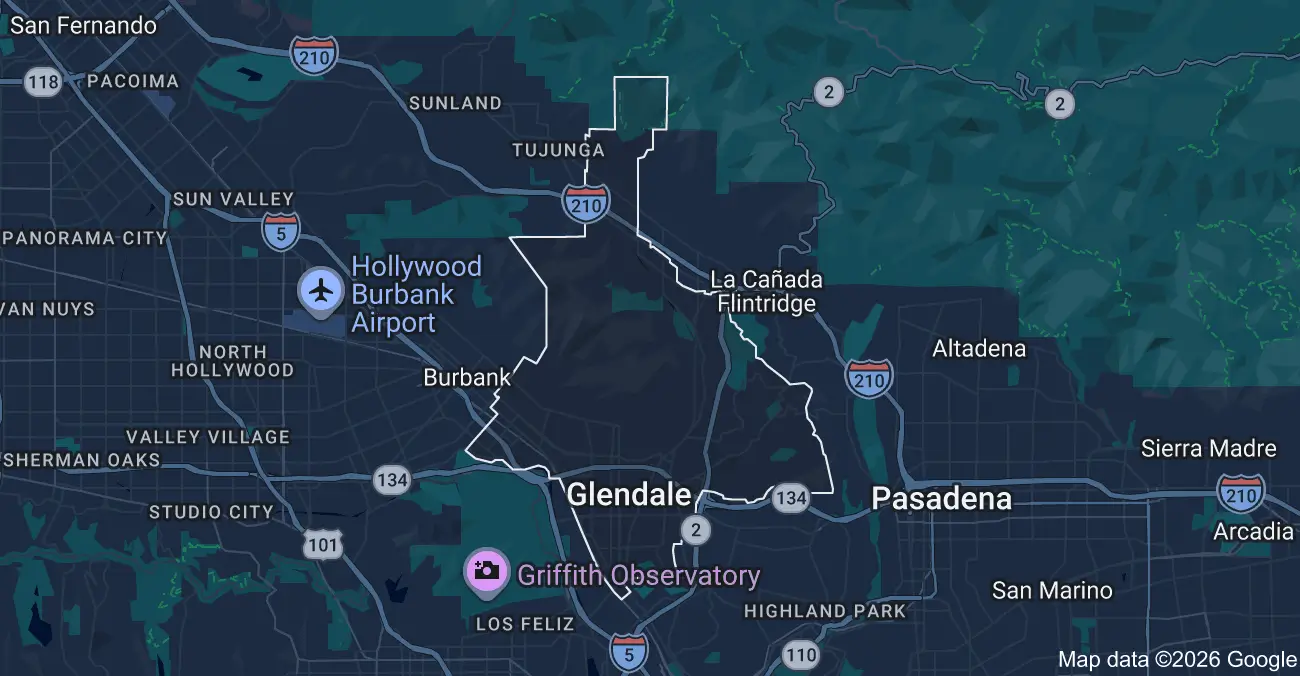
Glendale
Has its own AC replacement code page and zone noise limits, with 60.9% multifamily housing (2018).
View area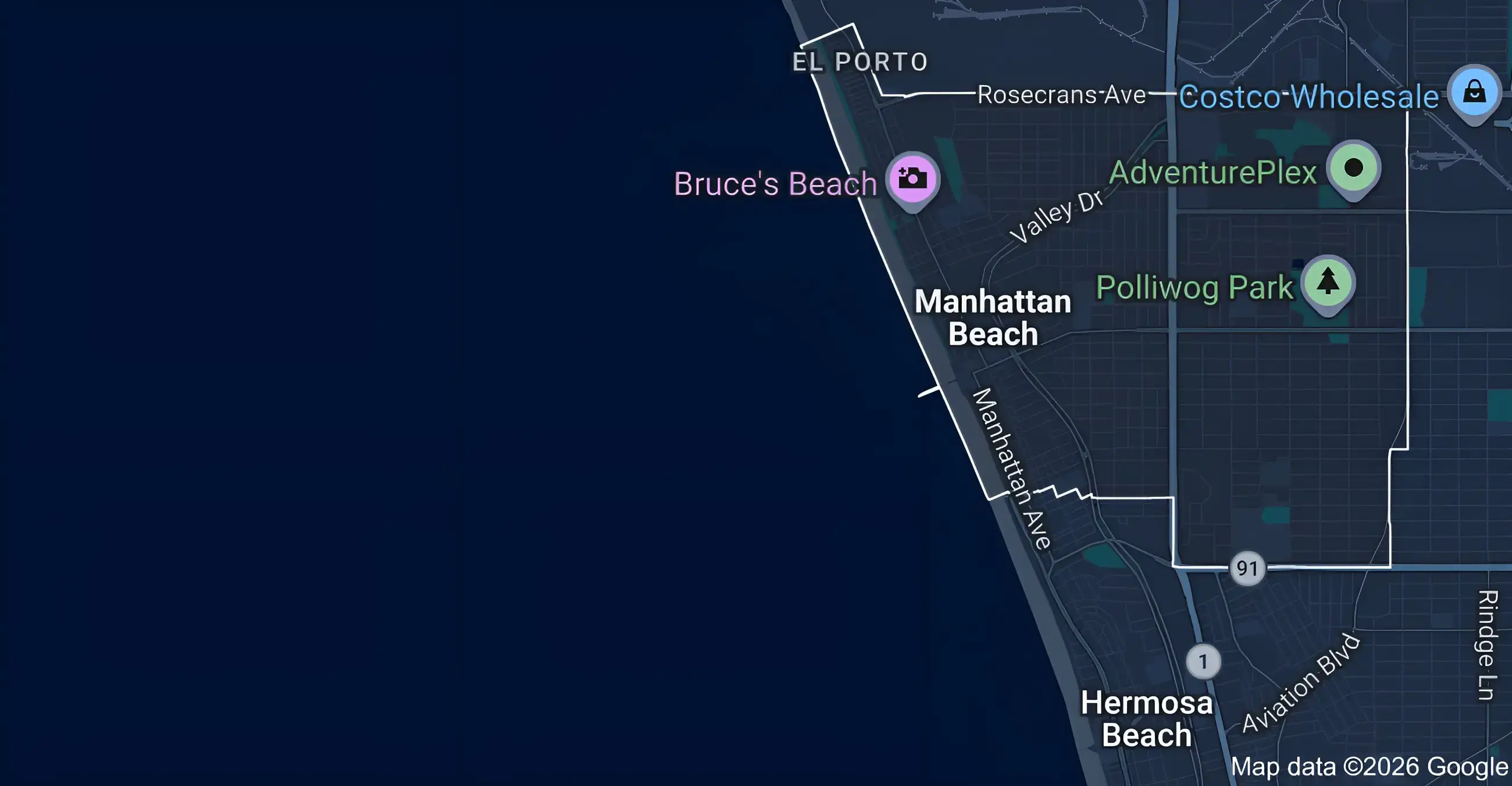
Manhattan Beach
Mechanical system work needs a permit, and equipment placement is confirmed with the city.
View area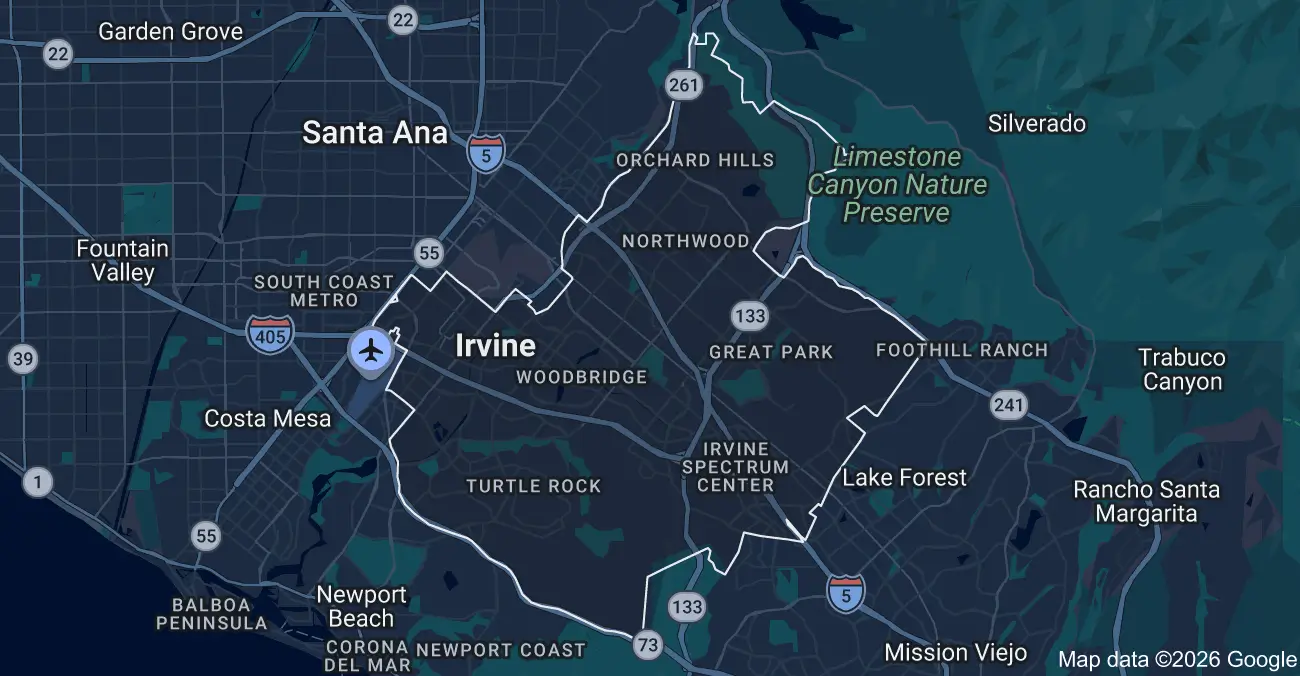
Irvine
Only 4.8% of housing was built before 1970 (SCAG, ACS 2017). Detached homes lead at 38.9%, with buildings of 5 or more units close behind at 37.4% (SCAG, 2018).
View area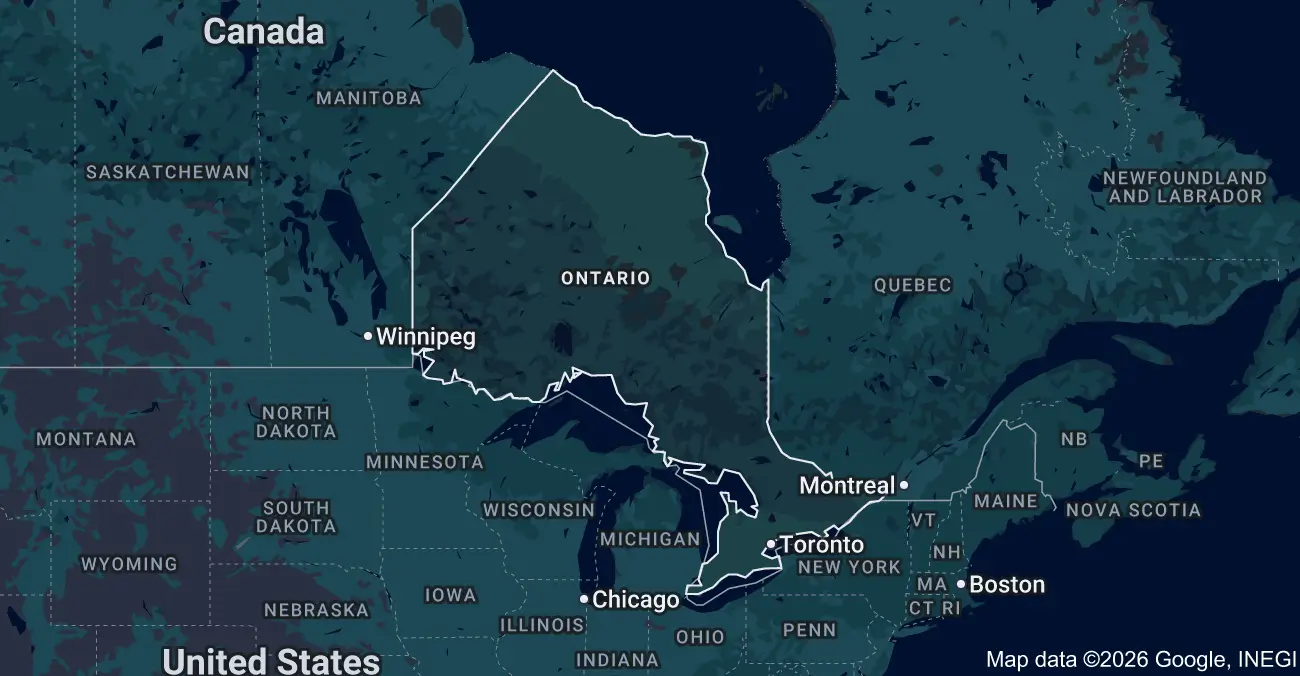
Ontario
36.1% of homes were built before 1970, and Ontario Ranch adds new construction. The City names Southern California Edison as the electric utility and Southern California Gas Company as the gas utility.
View area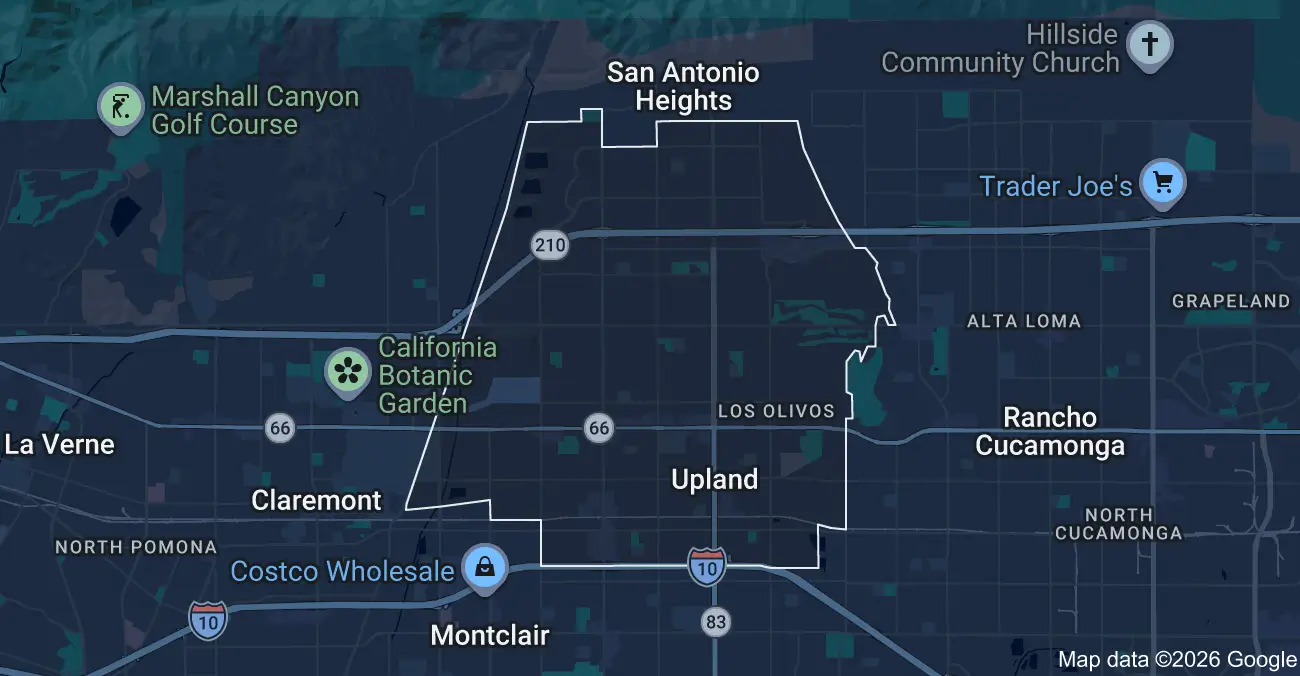
Upland
SCAG's local profile says 1970 to 1979 is the decade with the highest share of the city's housing units, and the City's Building & Safety page says permit applications go through its online Citizen Self Service (CSS) Portal without saying whether replacing an air conditioner needs a permit. QuickFacts reports a 57.1% owner-occupied housing unit rate for 2020 to 2024. We confirm the current steps with the City.
View area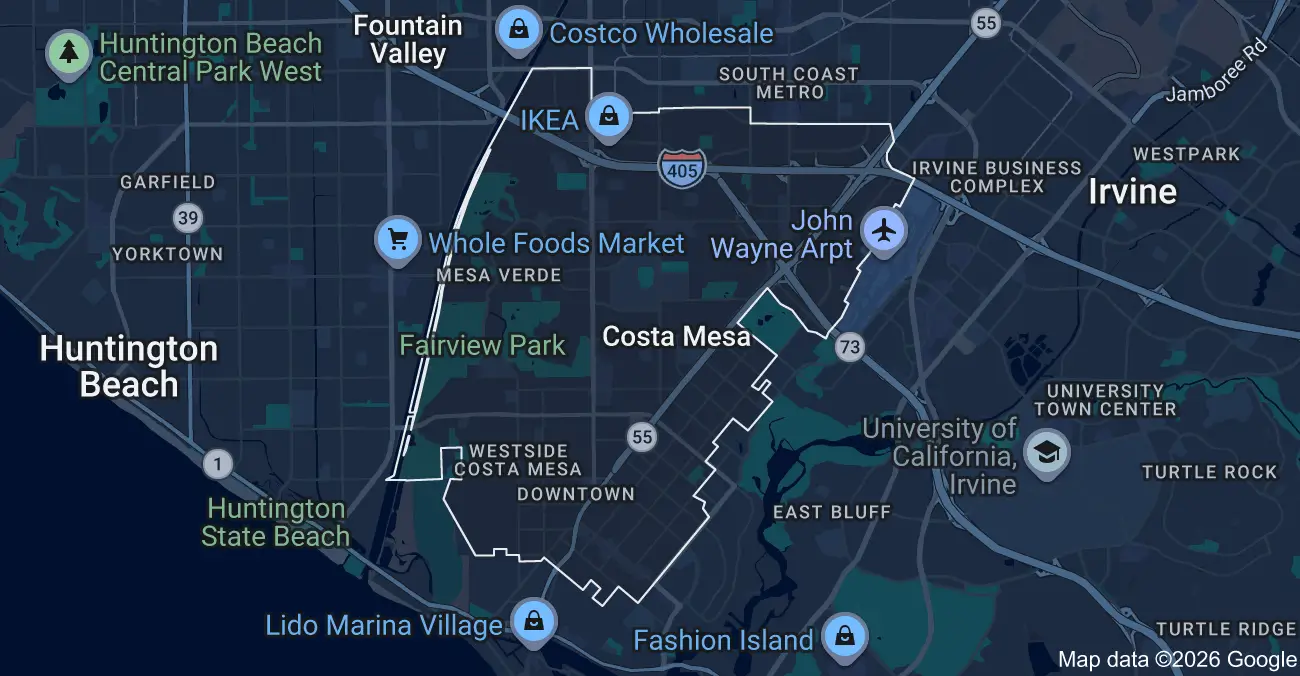
Costa Mesa
Nearly half of homes (49.6%) were built before 1970 (SCAG, 2017 American Community Survey), and 48.0% of units are multifamily (SCAG, 2018). The City's Insta-Permit covers single-family homes only, so condos, townhomes, and apartments use a different permit application.
View area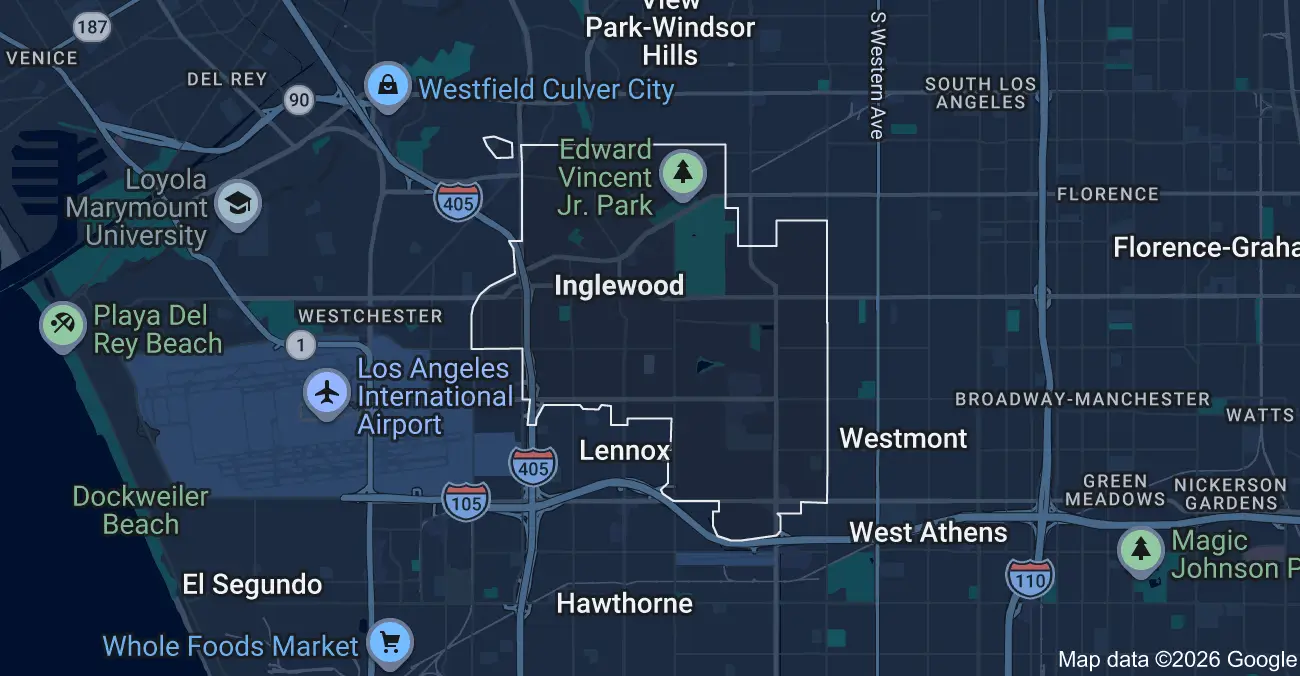
Inglewood
Has its own Building Safety Division and online permit portal, with 55.3% multifamily housing (2018).
View area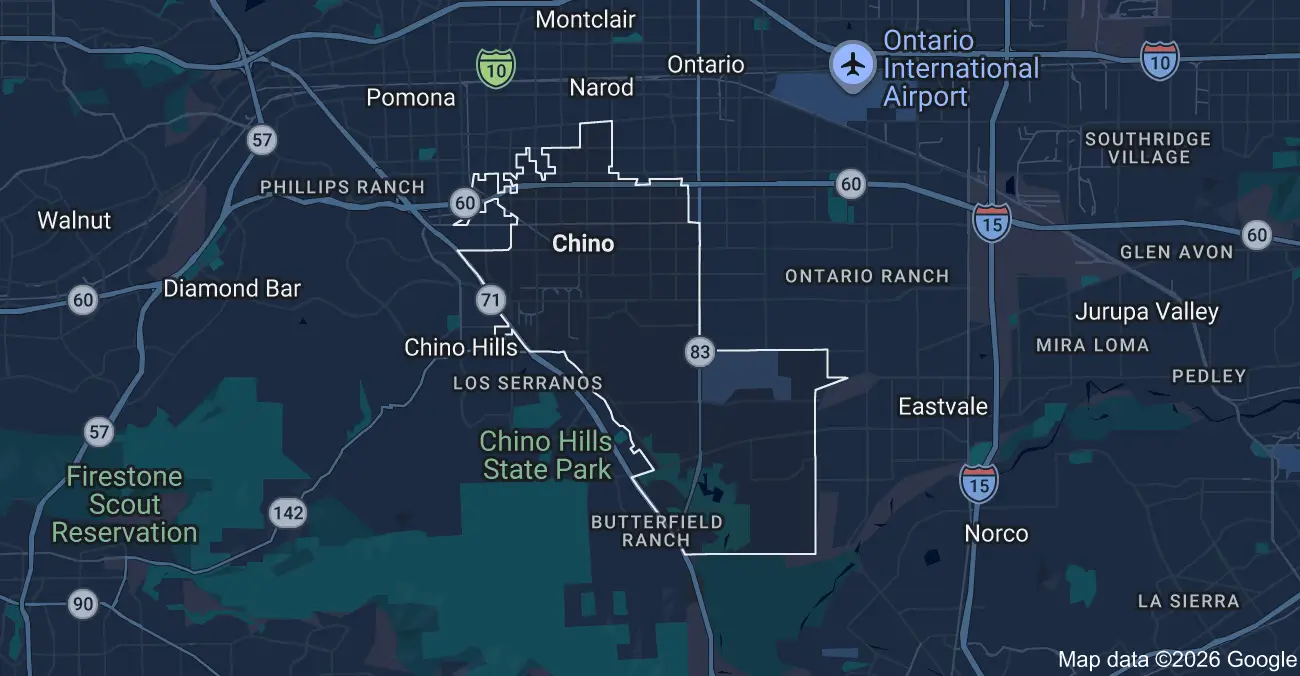
Chino
The City's Building Division page says it has adopted the 2022 California Building Code with some amendments and does not say whether replacing an air conditioner needs a permit. QuickFacts reports a 64.0% owner-occupied housing unit rate for 2020 to 2024. We confirm the current steps with the City.
View areaStart here
Which situation is this?
Life safety
Leave and call 911 or the gas utility first
Do not treat these as a normal repair booking. Get everyone outside, then call from outside.
- You smell gas
- There is smoke or fire
- A carbon monoxide alarm is sounding
Emergency repair
Turn the system off and call for emergency service
The system may be unsafe to keep running, or the loss of comfort is serious.
- No cooling during dangerous heat
- No heat with vulnerable occupants at home
- Water overflow near equipment or electrical parts
- Repeated breaker trips or a burning odor
- A frozen coil or severe equipment noises
- A commercial outage affecting your operations
Can be scheduled
Book the next repair visit
The system still runs, but something is off. A scheduled visit is usually enough.
- Weak airflow or uneven rooms
- New noises that are not severe
- Longer run times or rising bills
- A system that cycles more than it used to
If you are not sure which box you are in, call. We will help you sort out what is an emergency and what can wait.
Diagnosis
What your symptoms can mean
A symptom rarely points to one part. These are the faults a technician tests for, not a diagnosis.
| What you notice | What a technician checks |
|---|---|
| Runs but does not cool | Refrigerant, compressor or control faults, coil fouling, airflow restriction, and thermostat or electrical faults. No cooling has several causes, so diagnosis comes before a repair recommendation. |
| Weak airflow or hot and cold rooms | Filter, ducts, blower, coil blockage, and settings. Weak airflow should be checked at the system. |
| Frozen coil or ice on refrigerant lines | Low refrigerant, a restriction, an expansion-device problem, improper charge, or an airflow issue. Turn the system off and arrange diagnosis, since repeated operation can worsen damage. |
| Water near indoor equipment | Drain blockage, a condensate pump issue, a frozen coil thawing, or a drainage defect. Shut the system off if water threatens finishes or electrical components, then request service. |
| Breaker trips or a burning odor | Electrical, control, motor, or compressor faults. Turn the system off and have it evaluated promptly. |
| Furnace will not start | Thermostat, ignition, flame sensing, pressure switch, control board, airflow, gas supply, or electrical causes. Do not bypass furnace safety controls. |
| Furnace odor, soot, unusual flame, or a CO alarm | A possible combustion or venting hazard. Leave the building if a CO alarm sounds or you suspect gas, and call 911 or the gas utility before HVAC service. |
| Short cycling, banging, grinding, or squealing | Electrical, motor, compressor, blower, control, airflow, or mechanical causes. The source cannot be confirmed remotely. |
How it works
What emergency HVAC service commonly involves
This is the general sequence for an emergency call, not a promise about one specific visit. Your technician confirms how your visit will run.
- 01
Safety screening
The call starts with questions about smoke, fire, gas odor, carbon monoxide alarms, and water near electrical parts. Life-safety situations go to 911 or the gas utility first.
- 02
Symptom intake
You describe the property type, the system, thermostat behavior, whether there is cooling or heat, any water, noises, odors, or breaker trips, and the make and model if you know it.
- 03
Inspect and diagnose
A technician checks thermostat settings, filter, power, controls, airflow, condensate drainage, and the indoor and outdoor equipment, plus combustion safety items on gas appliances. The system may be kept off if running it could cause more damage.
- 04
Repair options
You are given the diagnosed issue, the scope of work, parts needed, price, warranty terms, and whether a temporary safe restoration is possible.
- 05
Repair or stabilize
Common same-visit work includes capacitors, contactors, thermostats, drains, blowers, igniters, flame sensors, and control repairs. Refrigerant work includes finding the leak, not just adding refrigerant.
- 06
Test and next steps
Before leaving, the technician verifies operating sequence, airflow, temperature response, electrical behavior, drainage, and safety controls as they apply.
The visit
What an emergency visit usually includes and what can cost extra
An emergency diagnostic visit commonly includes
- Travel and dispatch to the property
- Initial safety and equipment inspection
- Basic troubleshooting
- Identification of the probable failed component or system condition
- A repair recommendation and price proposal
What can add to the cost
- After-hours, weekend, holiday, or peak-demand surcharge
- Repair labor and replacement parts
- Refrigerant leak detection and repair
- Refrigerant recovery, evacuation, recharge, and verification
- Motor, compressor, coil, control board, or heat exchanger work
- Difficult access such as roof, attic, lift, gated property, or locked commercial space
- Permit, code compliance, HERS testing, electrical upgrades, or duct changes
- Replacement when parts are unavailable or repair is not practical
Ask about the diagnostic fee, any after-hours surcharge, and whether the fee is credited toward an approved repair before you agree to dispatch.
Availability
How fast can someone come out?
Response time depends on your location, current call volume, traffic, weather, technician availability, and the type of problem. Call (323) 776-9047 to ask about availability for your address.
Equipment
Systems we diagnose
Tell us what you have and we will confirm we can service it.
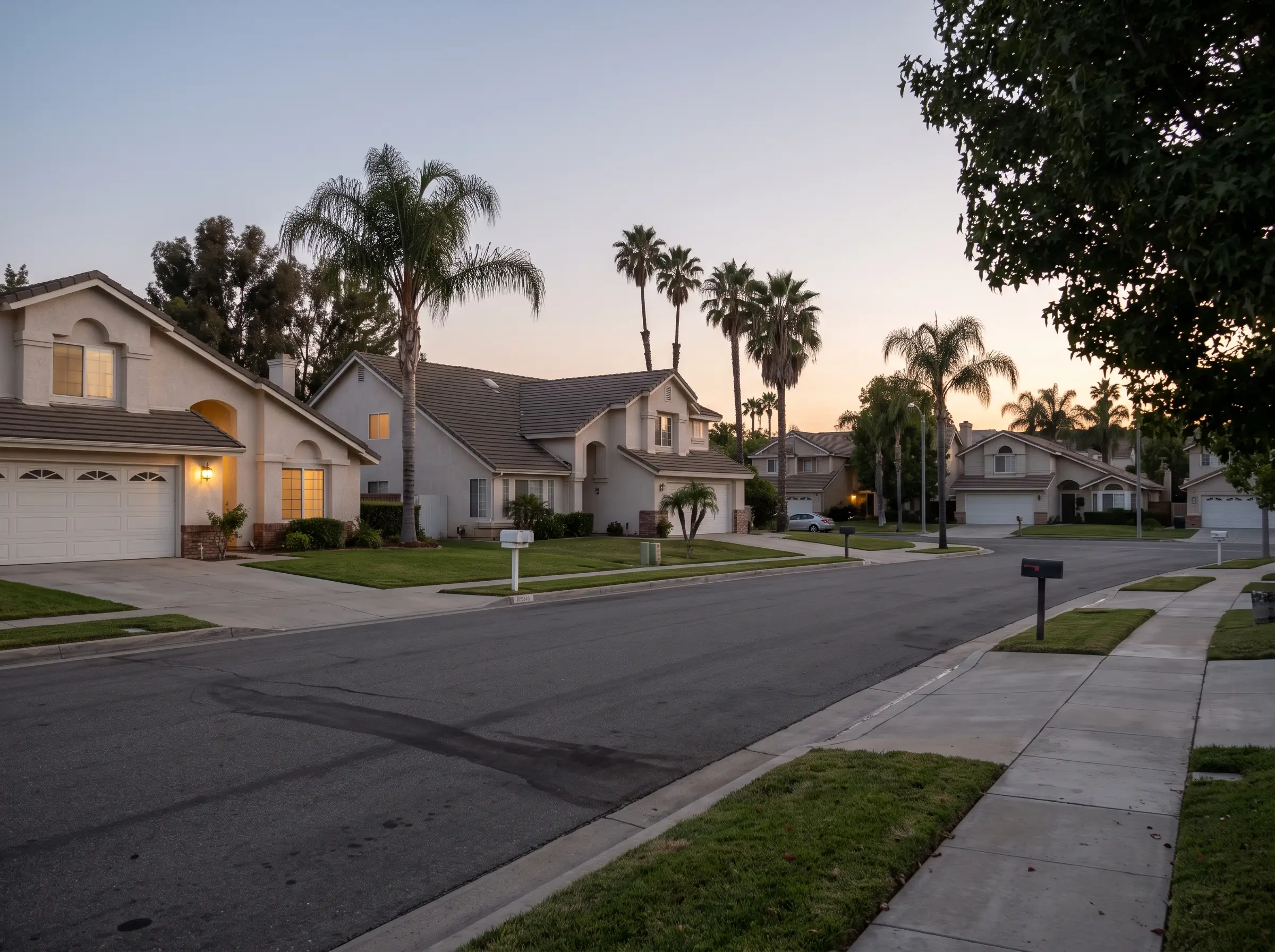
Central split AC
An outdoor condensing unit with an indoor coil, furnace or air handler, refrigerant line set, condensate drain, thermostat, and ducts.
Split heat pumps
An outdoor heat pump paired with an indoor coil and air handler or furnace. It adds a reversing valve to the controls and refrigerant circuit.
Packaged units
Cooling and heating components in one cabinet, mounted at grade or on a roof.
Gas furnaces with central AC
Furnace burner and ignition, heat exchanger, flue and venting, blower, coil, drain, thermostat, and ductwork.
Ductless and ducted mini-splits
An outdoor unit connected to one or more indoor heads, or to a compact ducted air handler, with refrigerant piping, condensate routing, and controls.
Rooftop and commercial package units
Commercial equipment that can combine cooling, heating, ventilation, and controls, with roof-mounted electrical and mechanical parts.
Can an R-410A air conditioner still be repaired?
Yes. The EPA allows R-410A components to be used to service existing systems. EPA's rules on which refrigerants may be used in new residential and light-commercial installations have changed more than once, and which rules apply depends on the equipment and when it was made or imported. An existing R-410A system does not have to be replaced only because of that rule. If a repair is major, a technician can walk you through the repair option and a replacement comparison. Ask your contractor which rules apply to the equipment in your proposal.
Source: U.S. EPA - HFC phasedown FAQ
Pricing
What affects the cost of an emergency repair
Emergency repair pricing depends on when you call and what testing finds, not just the symptom. After diagnosis, ask for a written repair option that names the issue, the recommended scope, and the total before work begins.
| Factor | What moves the price |
|---|---|
| Time of call | Standard hours, night, weekend, holiday, heat event, or unusually high demand |
| Diagnosis required | A no-cooling symptom can come from a thermostat, capacitor, control, motor, refrigerant circuit, compressor, airflow, or duct issue |
| Equipment type | Central split, heat pump, furnace, package unit, mini-split, rooftop unit, or other commercial equipment |
| Parts availability | Common controls may be on hand. Proprietary boards, motors, compressors, and coils may need to be ordered |
| Access | Attic, roof, crawlspace, ceiling, gated property, condo rules, parking, lift needs, or commercial building access |
| Refrigerant and repair scope | A leak has to be found and repaired. Adding refrigerant alone does not solve it |
| Code and replacement scope | Permits, Title 24 documentation, testing, electrical changes, duct corrections, and replacement equipment |
Before you approve work, ask for the repair scope, the parts warranty, the labor warranty, any exclusions, and whether the diagnostic fee is credited toward completed repairs.
Not sure which you need?
Repair or replace after a breakdown?
| Repair may make sense when | Replacement may make sense when |
|---|---|
| The failed part is isolated and repairable | A major component has failed, or failures keep repeating |
| Parts are available for the system | Parts are unavailable or hard to source |
| Refrigerant and system compatibility are not a concern | Refrigerant or system compatibility makes repair impractical |
| Overall equipment condition is good | Overall condition, efficiency, or comfort problems point to replacement |
There is no single age at which a system should be replaced. A technician looks at the failed component, repair cost, parts availability, refrigerant and system compatibility, equipment condition, efficiency goals, permit and code scope, and your budget, then presents options before you decide.
If a replacement is on the table, see AC installation and replacement
The rules
Licensing, permits, and energy-code basics
Licensing
California's C-20 classification covers fabricating, installing, maintaining, servicing, and repairing warm-air heating systems, ventilating systems, air-conditioning systems, and the ducts, registers, flues, humidity and thermostatic controls, and air filters in connection with any of these systems. You can verify any contractor's license on the CSLB website.
Permits
An emergency repair does not automatically remove local permit requirements. Equipment change-outs, duct alterations, and electrical changes can require a permit, and the city or county sets the rule for your project scope.
Energy code
The 2025 California Building Energy Efficiency Standards apply to permit applications submitted on or after January 1, 2026. HVAC alterations to existing homes must meet the applicable Energy Code sections, which can include field verification and diagnostic testing.
Who this is for
Emergency HVAC repair for homes and businesses
- Single-family homes
- Condos and townhomes
- Apartment communities
- Office buildings
- Retail and restaurants
- Rooftop package units
Access and authorization can shape an emergency call. Condos and HOA properties, apartments, and commercial spaces may need building access, landlord or tenant approval, or property manager coordination before work starts, and rooftop units add roof access and safety steps. Tell us about the property when you call. Commercial HVAC · Residential HVAC
Where we work
Emergency HVAC repair across Southern California
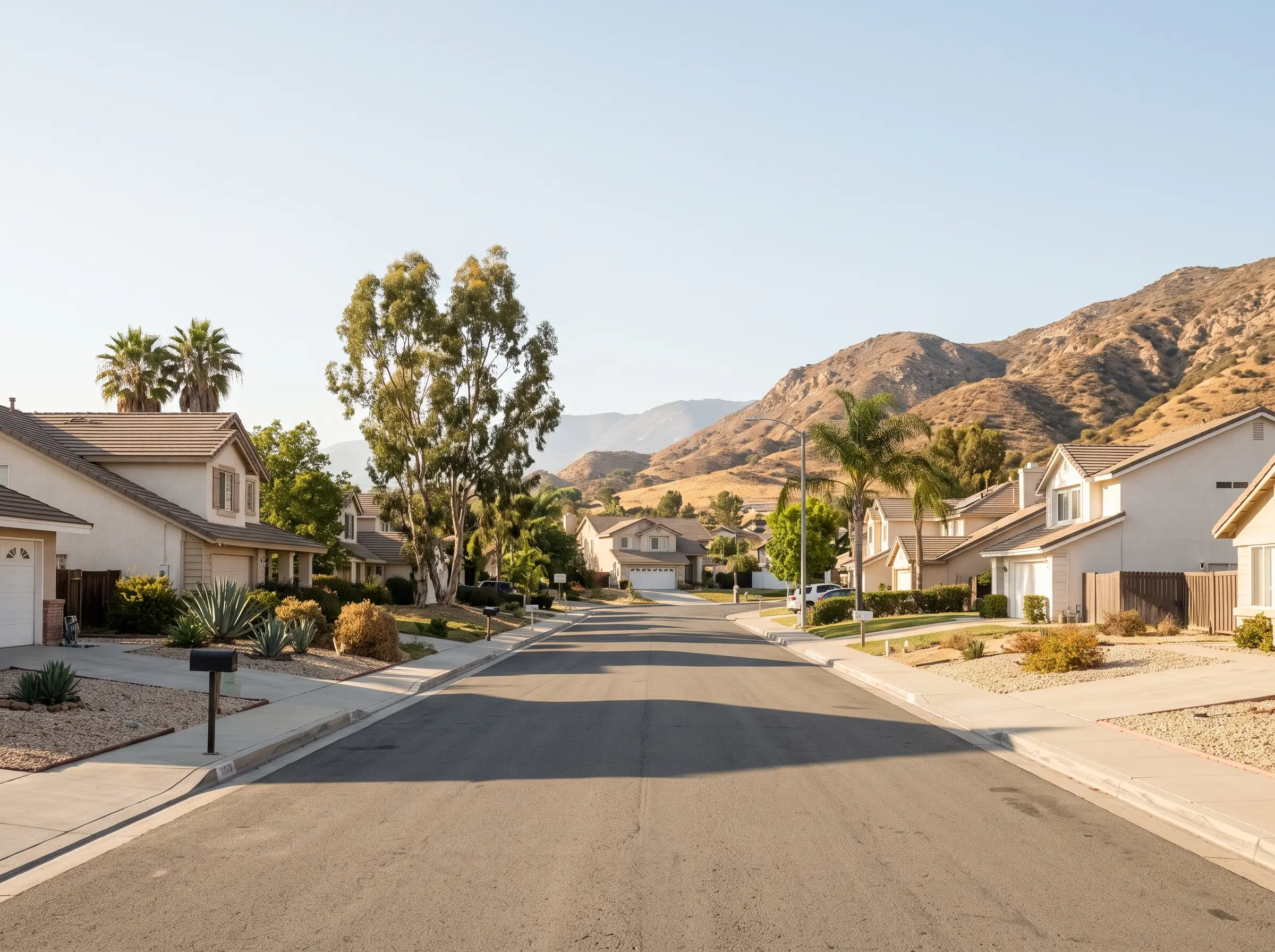
Southern California is not one climate. In NASA JPL's analysis of two heat waves in the summer of 2020, southern LA County and Orange County stayed cooler because of their proximity to the Pacific Ocean and coastal moisture, while valley regions including San Fernando and Riverside skewed drier and hotter. Muggy August nights raised nighttime heat stress in both coastal and inland areas.
Weather tells you how much of an emergency a breakdown feels like. It does not tell a technician which part failed. Inland properties can face dangerous indoor heat sooner, so a total cooling failure there is worth a call right away.
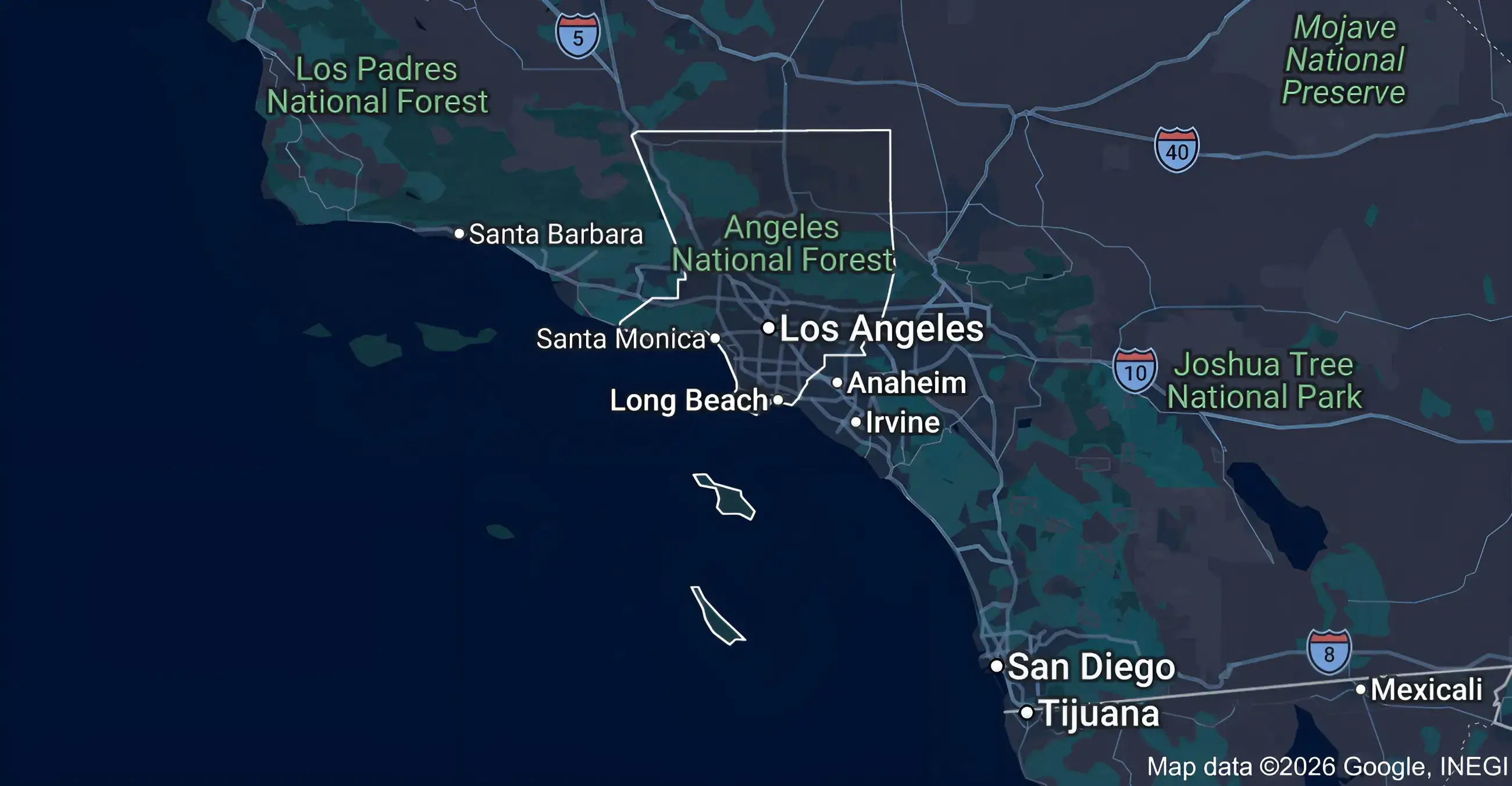
Los Angeles County
Emergency HVAC repair in LA County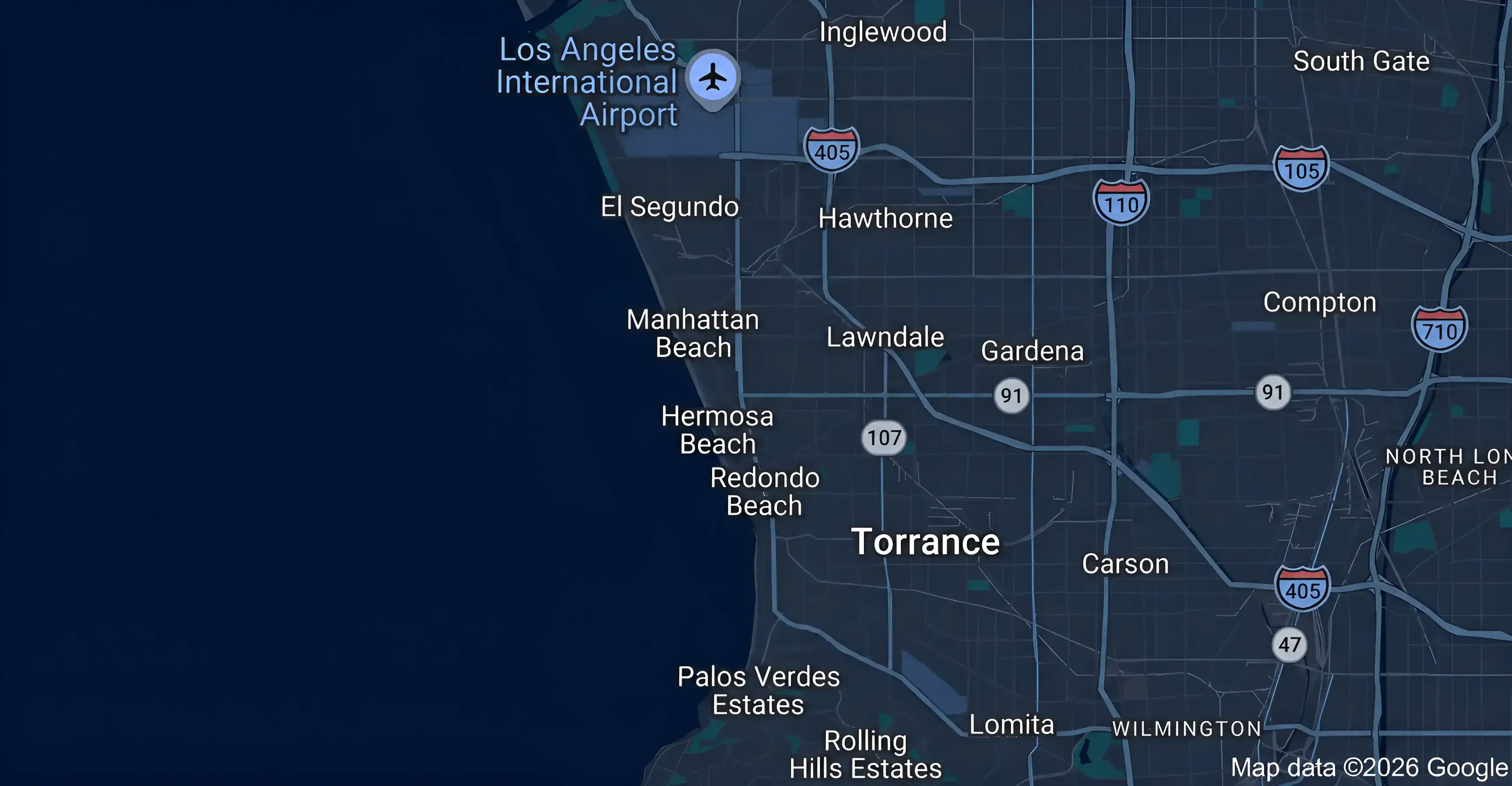
South Bay
Emergency HVAC repair in South Bay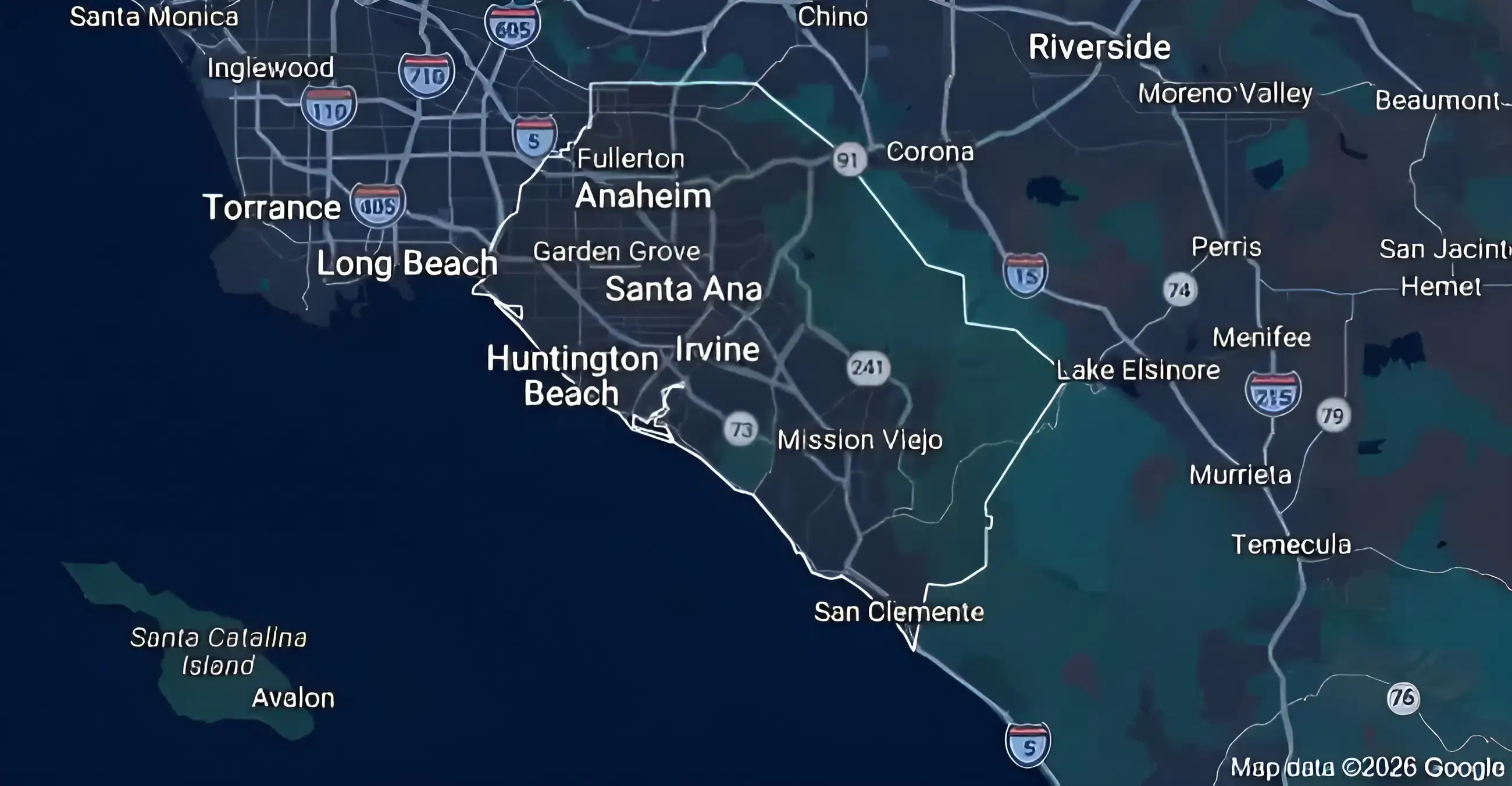
Orange County
Emergency HVAC repair in Orange County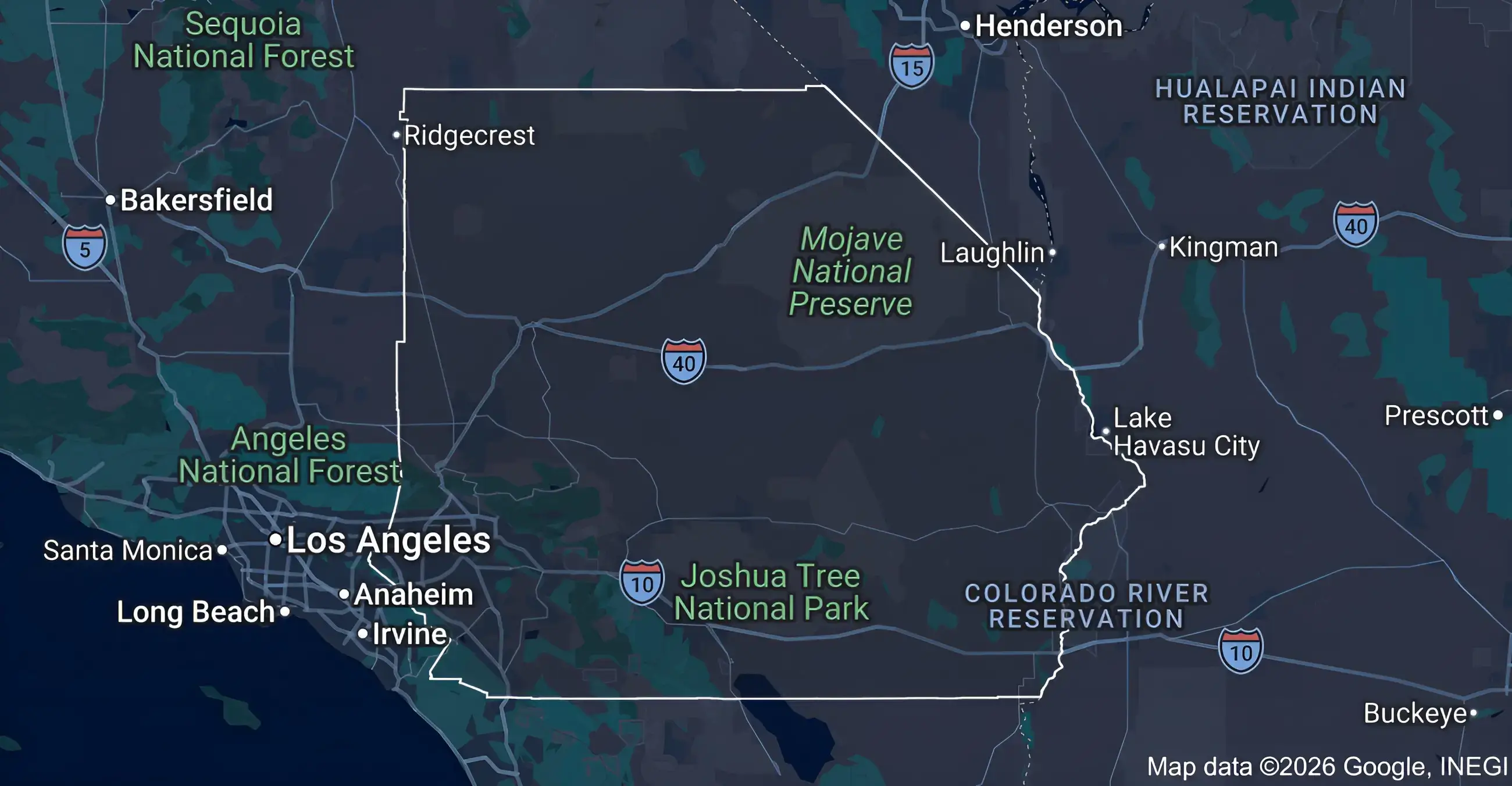
Inland Empire
Emergency HVAC repair in Inland EmpireDon't see your city? Call us and we will confirm coverage.
Why AIRPRO SOLUTIONS
Clear answers when your system fails
Tell us what is happening and we will help you sort out what is an emergency, what is safe to wait, and what to do next.
Related
Explore related services
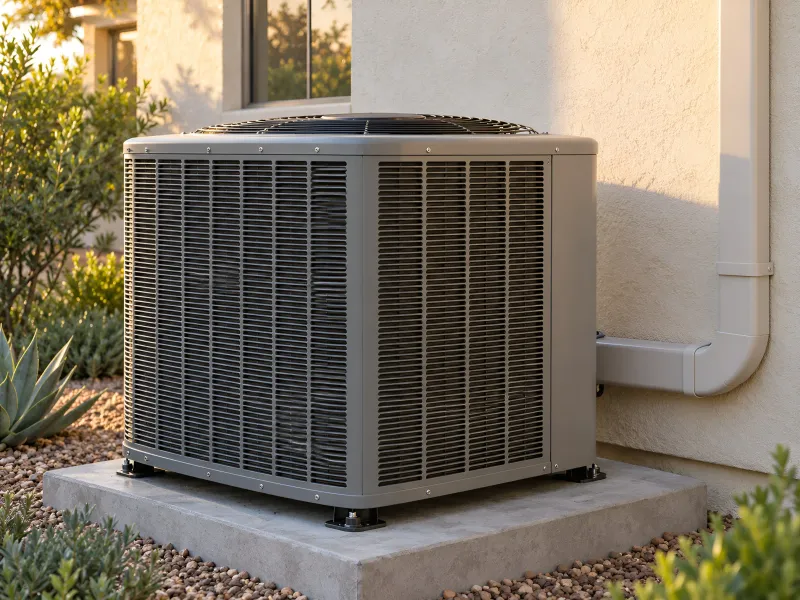
AC Repair
Diagnosis and repair for air conditioners that aren't cooling, blow warm air, leak, or make unusual noises.
View service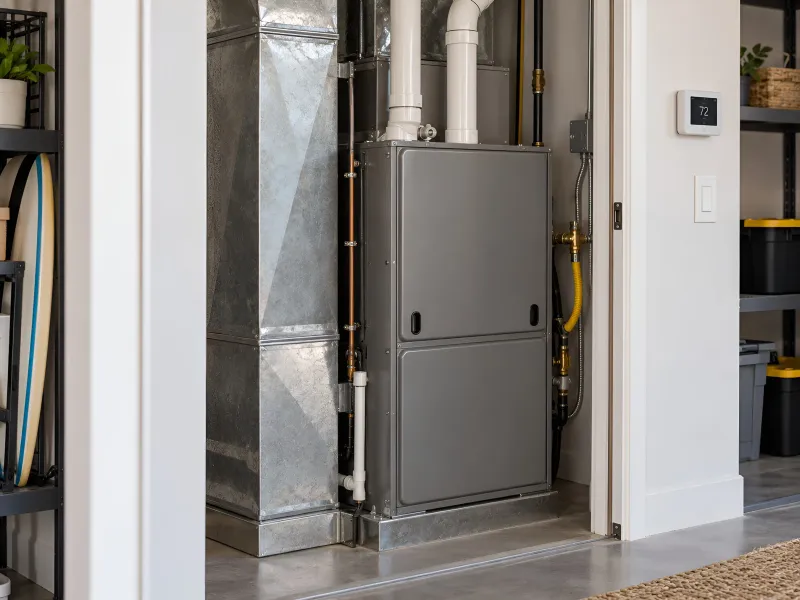
Heating Repair
Diagnosis and repair for furnaces, heat pumps, and heating systems that won't turn on or heat unevenly.
View service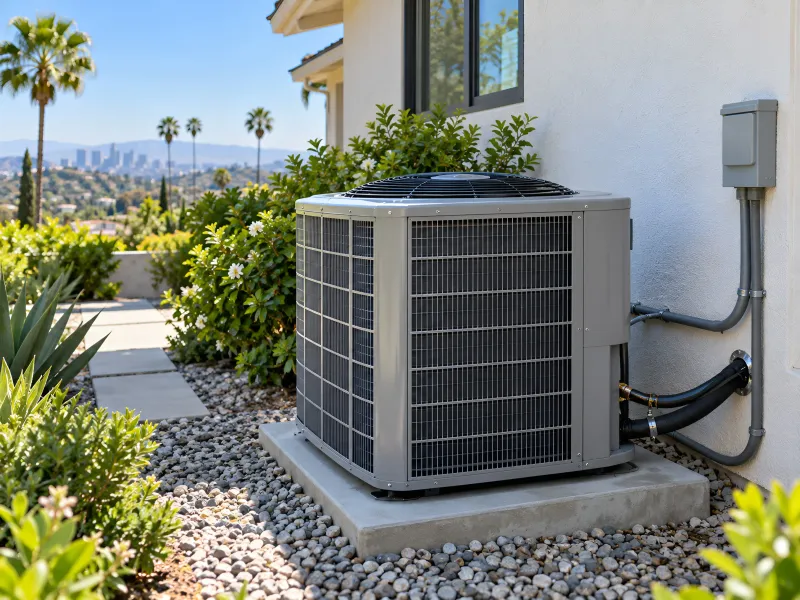
AC Installation
New air conditioner installation and system replacement, sized to your home or business.
View service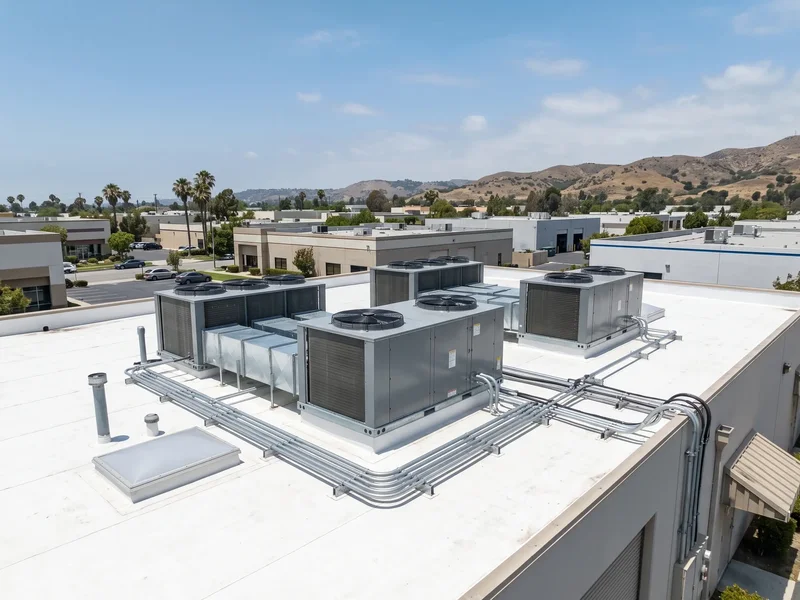
Commercial HVAC
Repair, replacement, and maintenance agreements for commercial buildings.
View serviceMore on this topic: Heat pump services · Ductless mini-split repair · Ductwork and airflow problems · Indoor air quality · AC maintenance after a repair
Direct answers
Emergency HVAC questions Southern Californians ask
Is no air conditioning an emergency?
It can be an emergency during dangerous heat, especially for vulnerable occupants. The right response depends on indoor conditions, health needs, and whether there are electrical, smoke, or water-related safety concerns. Inland Southern California temperatures can run well above coastal temperatures during heat events.
What should I do if my AC stops cooling?
Check the thermostat setting, replace a visibly clogged filter if it is safe to do so, and check whether a breaker has tripped. If the system still will not cool, turn it off if it is frozen, leaking, smoking, or making unusual noises, and arrange professional diagnosis. Dirty filters, refrigerant problems, faulty controls, duct restrictions, and drainage issues can all affect cooling.
What should I do if I smell gas near my furnace?
Leave the building, avoid ignition sources, and call 911 or the gas utility before arranging HVAC repair. Do not treat a suspected gas leak as a standard service call.
What if my carbon monoxide alarm goes off?
Get everyone outside immediately and call 911 or your local emergency number from outside. Carbon monoxide cannot be seen, smelled, or tasted. Do not go back in until emergency responders say it is clear.
Why is my indoor coil frozen?
Turn the system off and have it diagnosed instead of continuing to run it. A frozen coil can be associated with low refrigerant charge, a refrigerant restriction, an expansion-device problem, or an airflow condition.
Are emergency HVAC calls more expensive after hours?
Often, yes. After-hours dispatch, weekends, and holidays can carry a higher diagnostic fee or a labor surcharge at many companies. Before you approve a visit, ask for the diagnostic fee, any surcharge, and whether the fee is credited toward an approved repair.
Can my older R-410A air conditioner still be repaired?
Yes. Existing R-410A systems can still be serviced. The EPA allows R-410A components to be used to service legacy systems. EPA's rules for new installations have changed more than once, and which rules apply depends on the equipment and when it was made or imported.
Does an emergency repair require a permit?
It depends on the scope and the local jurisdiction. A straightforward repair may not trigger the same requirements as a replacement, but equipment change-outs, major alterations, ductwork, electrical work, and code-compliance upgrades can require local permits and Title 24 documentation. Confirm requirements with the city or county that has jurisdiction for the actual scope.
Should I repair or replace my HVAC system after a breakdown?
Decide after diagnosis. The key factors are the failed part, repair cost, parts availability, refrigerant and system compatibility, overall equipment condition, efficiency goals, permit and code scope, and your budget. System age alone does not settle it.
How fast can a technician arrive?
It depends on your location and the conditions that day. Response varies with call volume, traffic, weather, technician availability, equipment type, and whether the situation needs 911 or the gas utility first. Call (323) 776-9047 to ask about availability for your address.
Get emergency HVAC help
Call us or request service online.