 AIRPRO SOLUTIONS
Indoor Air Quality in Los Angeles and Southern California
AIRPRO SOLUTIONS provides indoor air quality service for homes and businesses in Los Angeles and across the South Bay, Orange County, and the Inland Empire. A visit starts with diagnosis, looking at filtration, ventilation, humidity, ducts, and equipment fit before anything is recommended.
- Licensed HVAC contractor
- Residential and commercial
- Written options, not a sales script
- 4 Southern California regions
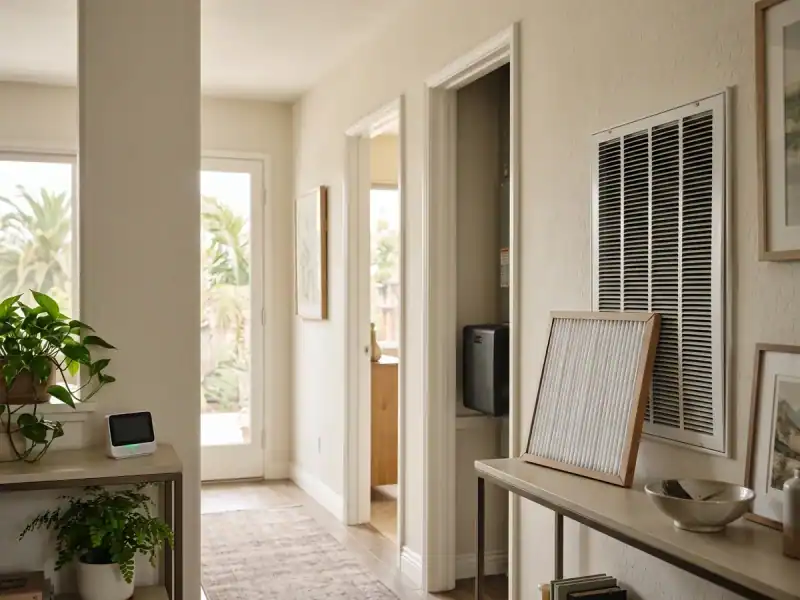 Indoor air quality assessment
Quick answer
Indoor air quality service is an HVAC visit that works out why the air in a building feels dusty, stale, damp, or smoky. The EPA names three ways to reduce indoor pollution: control the source, ventilate, and clean the air.
Across Southern California
How Southern California air and smoke shape indoor air quality work
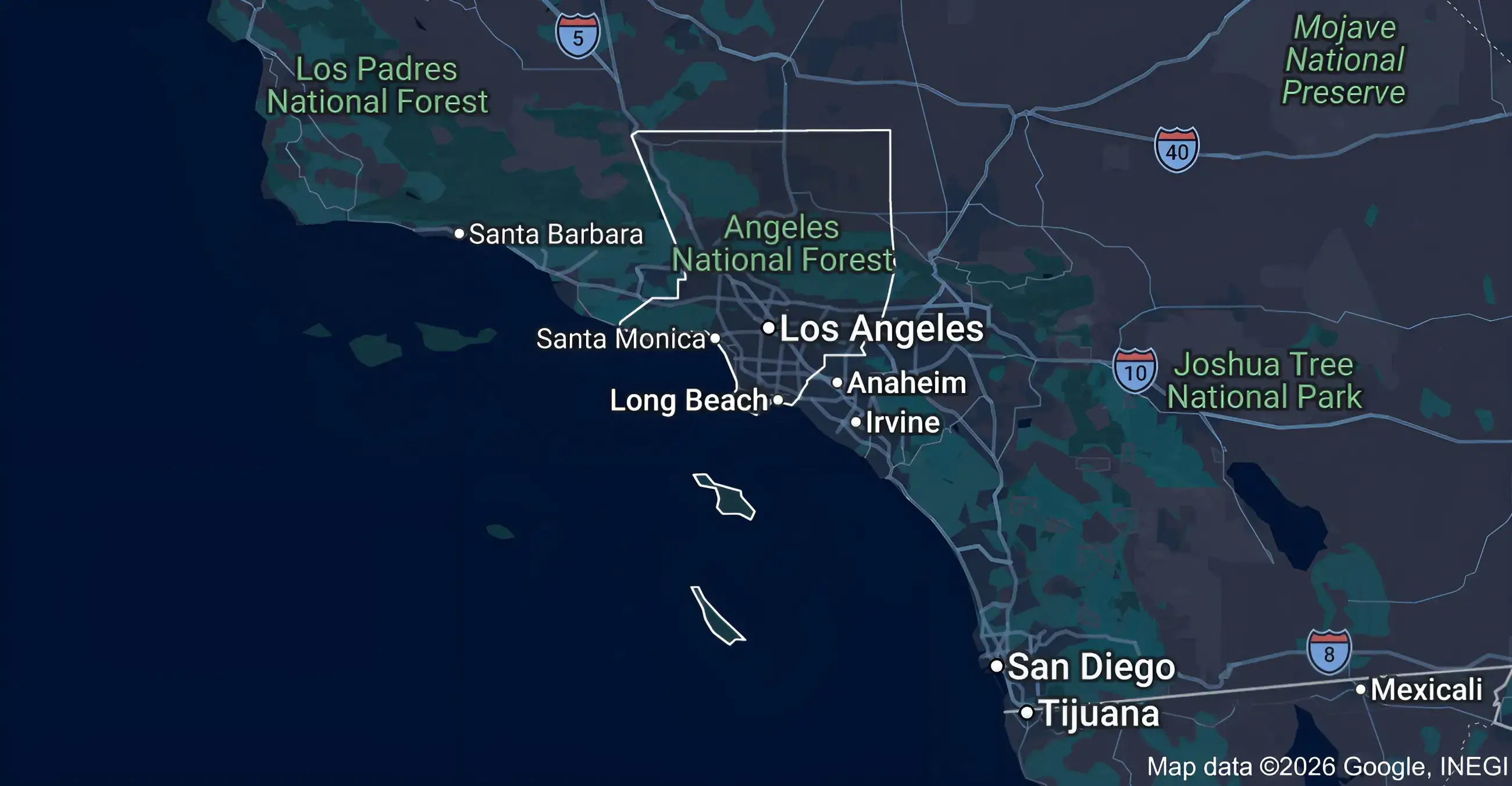
Los Angeles County. The county sits in a region that does not meet federal ozone or fine-particle standards, and heat waves and wildfires can add smoke exposure. Indoor air planning here can include a smoke-event filtration plan, filter access, a ventilation review, and source control.
South Bay. Coastal areas feel the marine influence, and conditions differ from inland areas. An assessment can consider coastal moisture, marine-layer conditions, building ventilation, and the equipment's filtration needs. We do not assume a cause before inspecting.
Orange County. Wildfire smoke and poor air quality have reached Orange County during regional events. Filter upgrades, portable-cleaner planning, ventilation, and smoke-event operation are the practical topics, and homes and equipment vary widely.
Inland Empire. South Coast AQMD expected higher smoke impacts near fires and in the Inland Empire during a September 2024 extreme-heat event. Hot-weather load, dust, smoke preparation, and easy filter access are practical topics here.
Indoor air quality facts
- Air quality data
- South Coast AQMD publishes current and forecast air quality for Orange County and parts of Los Angeles, Riverside, and San Bernardino Counties
- Smoke days
- Keep windows and doors closed, set the system to recirculate or close the outdoor-air damper if it has one, and use the most efficient filter it can hold
- Humidity
- The EPA advises keeping relative humidity below 60 percent, ideally between 30 and 50 percent
Sources: South Coast AQMD - Air Quality, U.S. EPA - Wildfires and Indoor Air Quality, U.S. EPA - Biological Contaminants and Indoor Particulate Matter
Cities we serve
Where we do this
Local pages for the cities we serve across Southern California.
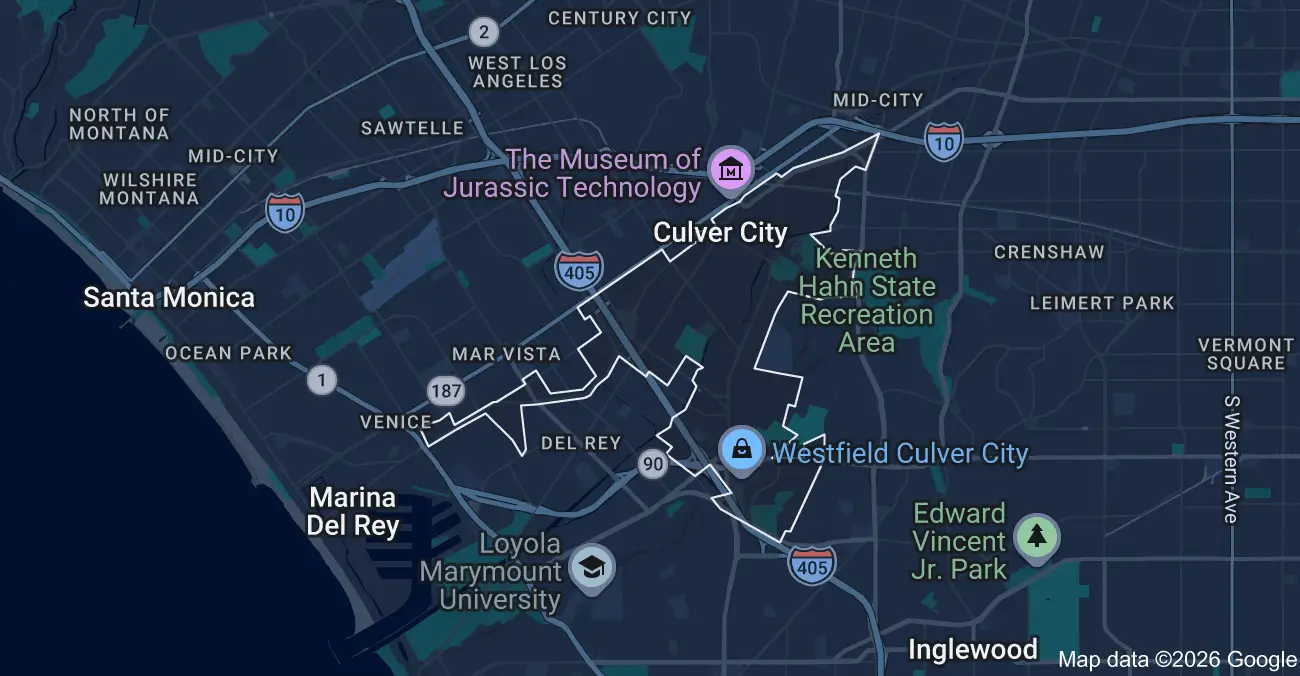
Culver City
Near-even single-family and multifamily mix. Has its own Building Safety Division for permits.
View area
Hermosa Beach
Clean Power Alliance supplies generation. The city has a separate mechanical permit application and a combined application.
View area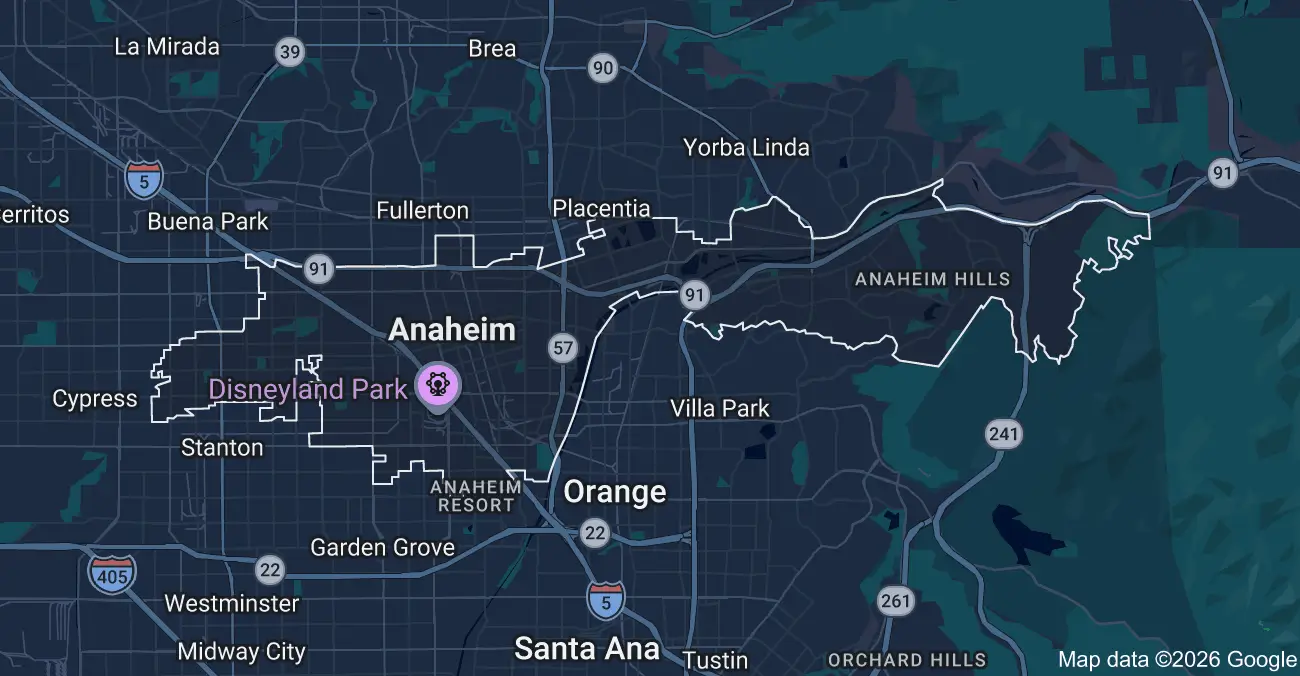
Anaheim
The largest housing stock of the eight cities, at 108,222 units, with 45.4% multifamily. It is the only city here with a municipal electric utility, Anaheim Public Utilities, which runs its own home incentive program. 44.6% of housing was built before 1970 (SCAG, ACS 2017).
View area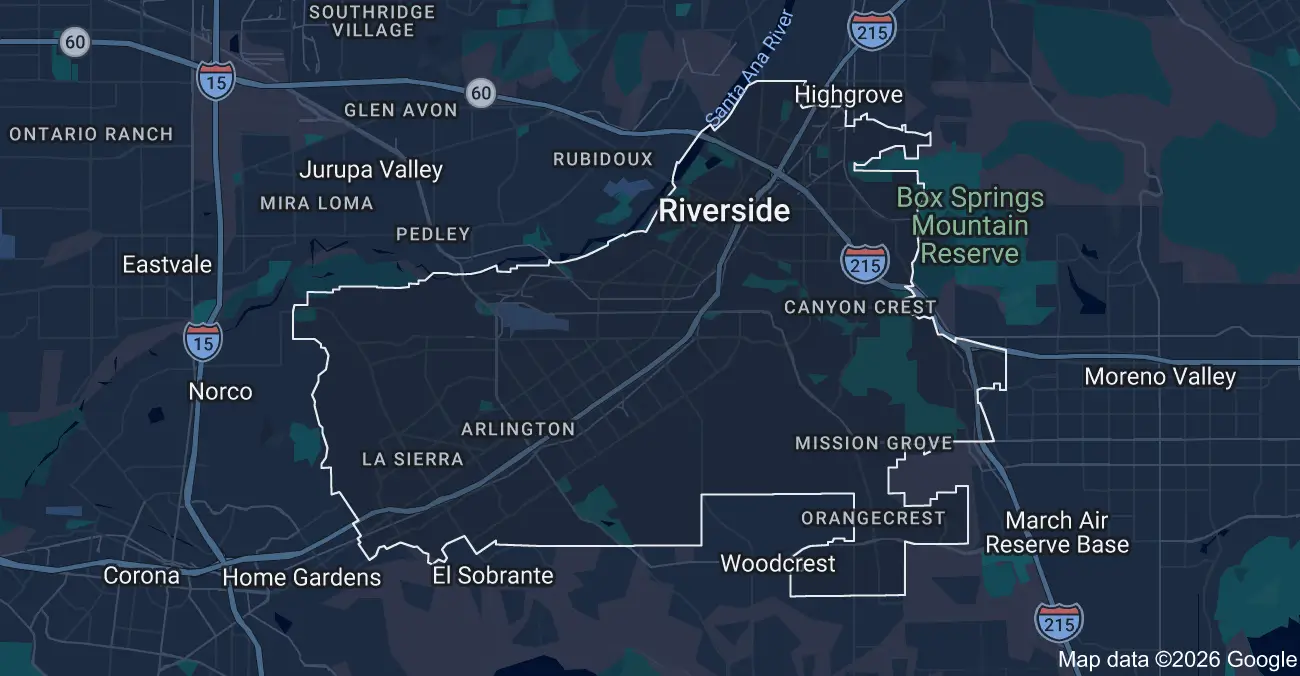
Riverside
Among the older housing stock here: 39.5% of homes were built before 1970. Riverside Public Utilities is the electric utility and publishes its own AC, heat pump, and tune-up rebates, subject to funding.
View area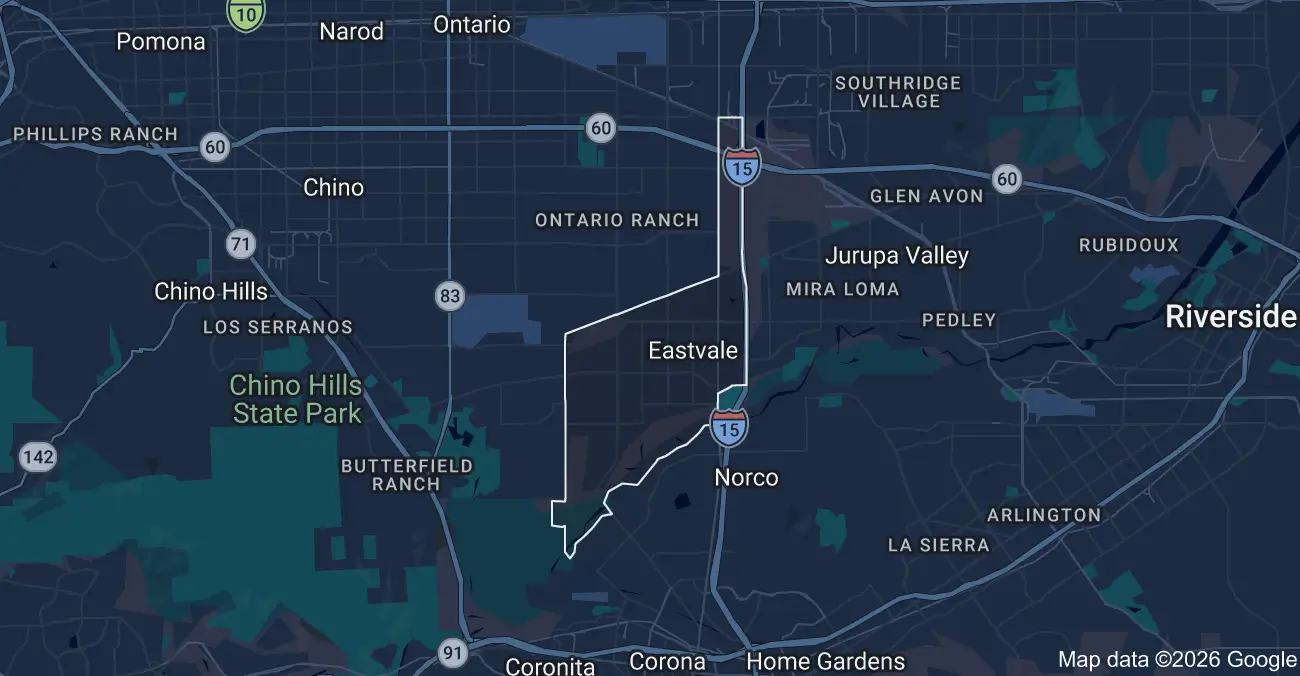
Eastvale
The City's Building Safety page says most permit types can be submitted online through the Eastvale Permit Portal, and its FAQ says permits are required to replace mechanical systems but does not name air conditioner replacement. QuickFacts reports a 78.0% owner-occupied housing unit rate for 2020 to 2024.
View area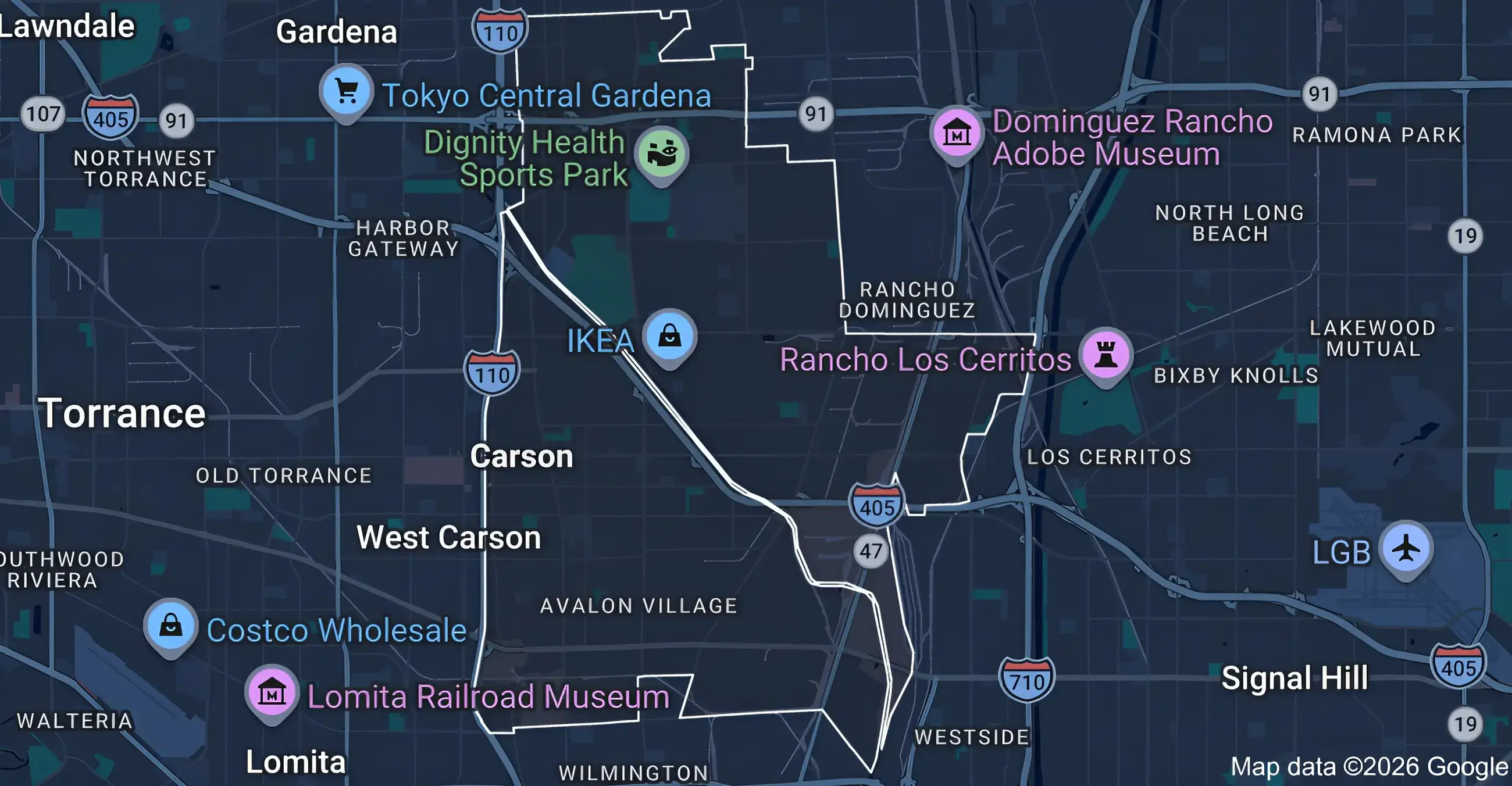
Carson
Permits go through the City’s online portal, Carson Civic Access. Clean Power Alliance supplies generation.
View area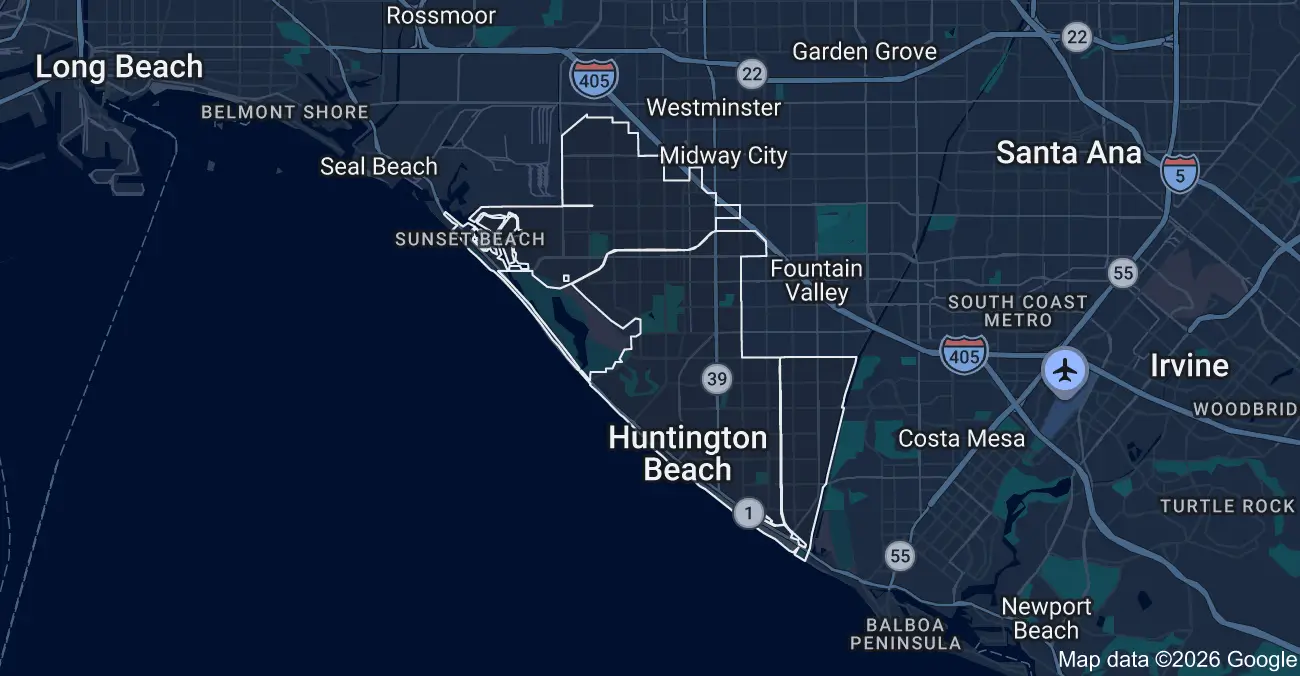
Huntington Beach
Coastal city where detached homes are 47.9% of housing (SCAG, 2018) and 43.5% of housing was built before 1970 (SCAG, 2017 American Community Survey). Mechanical permits run through the Permit Center and the HB ACA online portal.
View area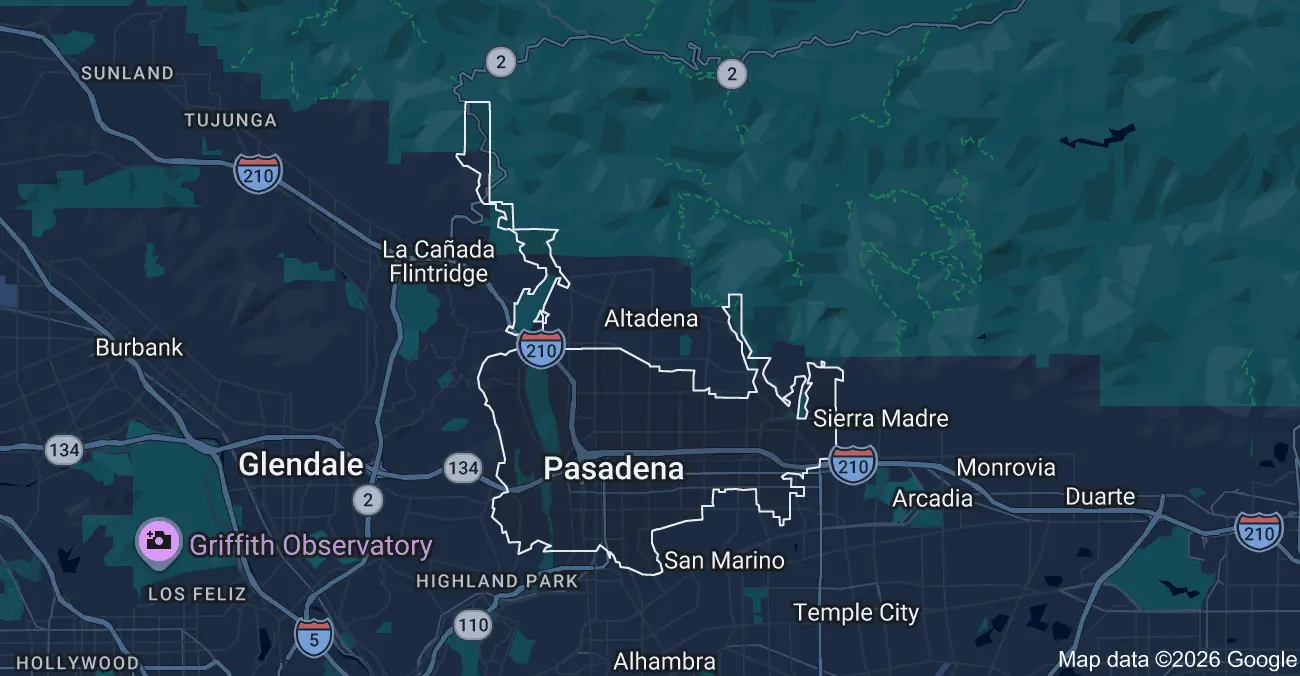
Pasadena
Has its own Permit Center. A site plan can apply to equipment placed outside.
View areaStart here
What is the air problem?
Pick the line that sounds like your building today. No single device fixes every problem, and a smell or a symptom alone does not identify mold, an allergen, or a medical cause.
Dust and filter loading
Dust returns fast or filters clog early. Start with filter fit, return leaks, and duct condition.
See filtration optionsStale, damp, or musty rooms
Stuffy air, condensation, or a musty smell when the AC starts. Start with ventilation, drainage, and humidity.
See ventilation and humiditySmoke and poor AQI days
Smoke odor or haze indoors. Start with a smoke plan and the most efficient filter your system can hold.
See the smoke planWeak airflow or a failed part
Hot and cold rooms, or a purifier, UV lamp, or humidifier that stopped working. Airflow and repairs come before accessories.
See AC repairMost filter and purifier questions are routine appointments: filter maintenance, a purifier consultation, a seasonal system check, mild dust, or getting ready before smoke season.
When to call right away
Skip the routine appointment and call promptly if:
- You smell burning or an electrical odor from HVAC equipment
- Water is near the equipment or spreading from it
- A strong musty odor persists
- Smoke is getting indoors during an AQI alert
- A business has lost ventilation in an occupied space
If you see smoke or fire inside the building, feel an electrical hazard, or suspect a gas or combustion problem, get everyone out and call emergency services first. Air quality equipment is not a substitute for emergency response.
The approach
What fits which problem
Reduce the source
Cut down what is producing the pollutant: moisture, cooking fumes, smoke entry, dust sources. Some sources sit outside the HVAC system, and a visit can point them out.
Ventilate
Bring in or exhaust air so pollutants are diluted or removed. The EPA notes that inadequate ventilation can let indoor pollutant levels rise.
Clean the air
Filters, duct-integrated cleaners, and portable units capture particles. None of these three approaches is a universal fix, so a plan often combines them.
Warning signs
What the signs can mean
A sign is a clue, not a diagnosis. The right column lists what a technician checks, not what is proven.
| What you notice | What we look at |
|---|---|
| Dust returns quickly after cleaning | Filter fit, duct leakage, return-side bypass, outdoor particles, and indoor sources. An inspection identifies the cause. |
| Musty odor when the AC starts | Moisture, condensate drainage, wet materials, and dirty components. An odor alone does not diagnose mold. |
| Smoke odor or haze during fire events | Outdoor-air entry, gaps in the building, filter capacity, and ventilation settings. |
| Stuffy rooms or lingering odors | Ventilation, occupancy, exhaust fans, duct airflow, and indoor sources. |
| Condensation, damp bathrooms, or recurring mildew | Exhaust performance and the moisture source. A standalone HVAC product may not be the whole remedy. |
| Hot and cold rooms or weak airflow | Duct design, dampers, the blower, filter restriction, and equipment sizing. Airflow is diagnosed before an accessory is chosen. |
| Black residue or visible growth | Needs an inspection, and may call for a qualified environmental professional. |
We do not diagnose mold, allergies, or health conditions from an odor or a symptom. If cooling itself is failing, see AC repair
How it works
What happens during an air quality visit
- 01
Book
We ask about the complaint, the property, occupancy, pets, recent remodeling, and whether anyone has respiratory sensitivity.
- 02
Identify
The technician confirms what you have: ducted split, heat pump, packaged unit, ducted or ductless mini-split, or commercial rooftop equipment.
- 03
Inspect
Accessible filters, the filter rack, air handler, returns, registers, ducts, condensate drain, outdoor-air dampers, exhaust fans, and controls are checked.
- 04
Options
You get written options that separate required fixes, recommended upgrades, and optional maintenance.
- 05
Install or repair
Mounting, duct or plenum changes, electrical connection, drain adjustments, controls, and startup, as the scope requires.
- 06
Hand off
Operation and airflow are confirmed, and you get the filter size, replacement interval, and any permit steps.
The visit
What is included and what can cost extra
A typical visit may include
- Review of your complaint and your HVAC system
- A discussion of your options
- Equipment selection and mounting where the system is compatible
- Basic control integration where the equipment supports it
- Startup and basic operating instructions
- A filter or lamp supplied with new equipment
- Cleanup of the work area
- A recommended maintenance interval
What can add to the cost
- Electrical circuit or disconnect work
- Duct or plenum reconstruction
- Permit fees, plan check, or Title 24 documentation
- Asbestos testing or abatement
- Mold remediation, building-envelope repair, or water-damage restoration
- Laboratory air testing and environmental consulting
- Difficult attic, crawlspace, or roof access, or lift work
- After-hours work
Ask which of these apply to your property before you approve work. Ask for the final scope and inclusions in writing.
Equipment
What we can recommend
Equipment is chosen after the assessment, based on your system, its airflow, and your concern. Tell us what you have and we will confirm what fits.
HVAC filtration
Pleated filters and media filter cabinets in a range of MERV ratings. The right choice depends on what the filter slot, blower, and ducts can handle.
Whole-home air cleaners
Duct-integrated media, electronic, or carbon options. They connect to a central ducted system and must be compatible with the existing equipment.
UV equipment
Coil-treatment lamps and in-duct products. Performance depends on the exact product and use, and lamps are a maintenance item.
Ventilation
Bath and kitchen exhaust, outdoor-air dampers, ERVs and HRVs, make-up air, and demand-controlled ventilation, where the building calls for them.
Humidity control
Whole-home dehumidifiers, humidifiers, condensate handling, and controls. The EPA target is 30 to 50 percent relative humidity, and below 60 percent where possible.
Ducts, returns, and filter access
Return grilles, registers, dampers, filter racks, plenums, and duct insulation. Inspection, sealing, repair, and redesign are separate from cleaning.
Is a higher MERV filter always better?
No. A higher-efficiency filter can reduce airborne particles, but only if the system can hold it. The filter slot or cabinet, blower capacity, duct design, and pressure drop decide what fits. The EPA recommends MERV 13 or better, or the most efficient filter your system can accommodate, to reduce fine particles during smoke events. We check the actual system before recommending a filter upgrade, and we do not promise that MERV 13 fits every system.
Does a UV light fix air quality problems?
Not on its own. A UV product's performance depends on the model, placement, exposure time, airflow, and upkeep, and it does not remove an underlying moisture problem. We do not claim that UV eliminates viruses, mold, or odors. Visible growth or persistent moisture needs a source investigation and may need specialized remediation.
Smoke season
A Southern California smoke plan
Wildfire smoke and heat-related ozone reach Southern California during hot, dry stretches. These steps come from EPA guidance for heavy smoke.
Watch the AQI
South Coast AQMD publishes current and forecast air quality for Orange County and parts of Los Angeles, Riverside, and San Bernardino Counties. Check the AQMD air quality page before you open windows.
Keep smoke out
Keep windows and doors closed. If your system has the option, set it to recirculate or close the outdoor-air intake damper.
Filter and clean
Use the most efficient filter your system can hold, MERV 13 or better where it fits, and replace it more often during heavy smoke. Add a portable air cleaner sized for the room, and avoid units that produce ozone.
Whether a whole-home purifier helps depends on how the system is designed and maintained. We can review your filter fit and outdoor-air settings before smoke season.
Ducts
Duct cleaning, sealing, or repair?
These are different jobs. An inspection decides which one applies, and a purifier does not replace any of them.
| Work | When it fits |
|---|---|
| Duct cleaning | When an inspection finds accumulated debris or contamination. It is not a guaranteed fix for allergies or health issues. |
| Duct sealing | When ducts leak or are disconnected. This is a mechanical repair, not a cleaning. |
| Duct repair or redesign | When ducts are damaged, or returns, dampers, or filter access are poorly designed. Adding equipment to a weak duct system does not correct the airflow. |
For duct work and airflow problems, see ductwork services
Your system
How your equipment changes the plan
| System | What it means for air quality work |
|---|---|
| Ducted split system | Often takes a filter cabinet or duct-integrated equipment when airflow and static pressure allow. |
| Packaged unit | Heating and cooling in one cabinet, often on a roof or ground pad. Filtration and outdoor-air options vary by design. |
| Heat pump | Ducted, packaged, ductless, or multi-zone. The air handler and ducts may support accessories, depending on the manufacturer's instructions and the airflow design. |
| Ducted mini-split | Concealed indoor units serving one or more zones. Filter and accessory options depend on the unit and the duct layout. |
| Ductless mini-split | Each indoor head has its own washable filter. A duct-integrated whole-home cleaner generally cannot serve a ductless-only home, so occupied zones may need separate solutions. |
| Commercial rooftop and VRF | May have filter sections, outside-air dampers, economizers, dedicated outdoor-air systems, exhaust, and building controls. Needs a site-specific ventilation review. |
Model-level compatibility is confirmed during the assessment, not from a system type alone.
Pricing
What affects indoor air quality cost
Pricing depends on what the assessment finds. The list below shows what moves the total, so nothing about your quote is a surprise.
| Factor | How it affects the quote |
|---|---|
| HVAC layout | The kind of system and how many systems or zones serve the property. |
| Filter size and airflow | Whether the existing slot, blower, and ducts can hold a better filter, or a cabinet is needed. |
| The concern | Dust, smoke, odor, moisture, and ventilation each point to different equipment. |
| Duct and electrical access | Attic, crawlspace, or roof access, and whether new power or a disconnect is needed. |
| Ventilation changes | Adding outdoor air, exhaust, or an ERV or HRV is a larger scope than a filter change. |
| Permits and code documents | Local permits, plan check, and Title 24 documentation apply to some projects. |
| Moisture or contamination | If the inspection finds it, that work is scoped and priced separately. |
After the inspection, ask for the options for repair, filtration, purification, ventilation, or humidity control. Ask about the equipment manufacturer's coverage before work begins.
The rules
Licensing, permits, and energy-code basics
Licensing
California requires a licensed contractor for projects of $1,000 or more in labor, materials, and all other costs, and for any project that needs a building permit or uses employee labor. The C-20 classification covers ventilating systems, ducts, registers, humidity controls, and air filters connected to HVAC systems. Verify any contractor's active CSLB license, classification, insurance, scope, and written proposal before authorizing work.
Permits
Installing or changing HVAC and ventilation equipment may need a local mechanical permit. Requirements depend on your city or county authority, not just the county name, so the jurisdiction is confirmed before work begins.
Energy code
California's 2025 Energy Code applies to permit applications filed on or after January 1, 2026, and strengthens ventilation requirements. For new construction, additions, alterations, and system changes, the compliance path is set before installation. MERV 13 is not a universal requirement for every retrofit.
If an upgrade turns into a replacement
If replacement is recommended, we identify your system's refrigerant, explain whether repair components are available for the existing equipment, and give you options that meet current requirements. EPA's rules on which refrigerants may be used in new residential and light-commercial installations have changed more than once, and which rules apply depends on the equipment and when it was made or imported. Existing R-410A equipment can still be serviced. Ask your contractor which rules apply to the equipment in your proposal.
Source: U.S. EPA, HFC Phasedown FAQ
Rebates and incentives
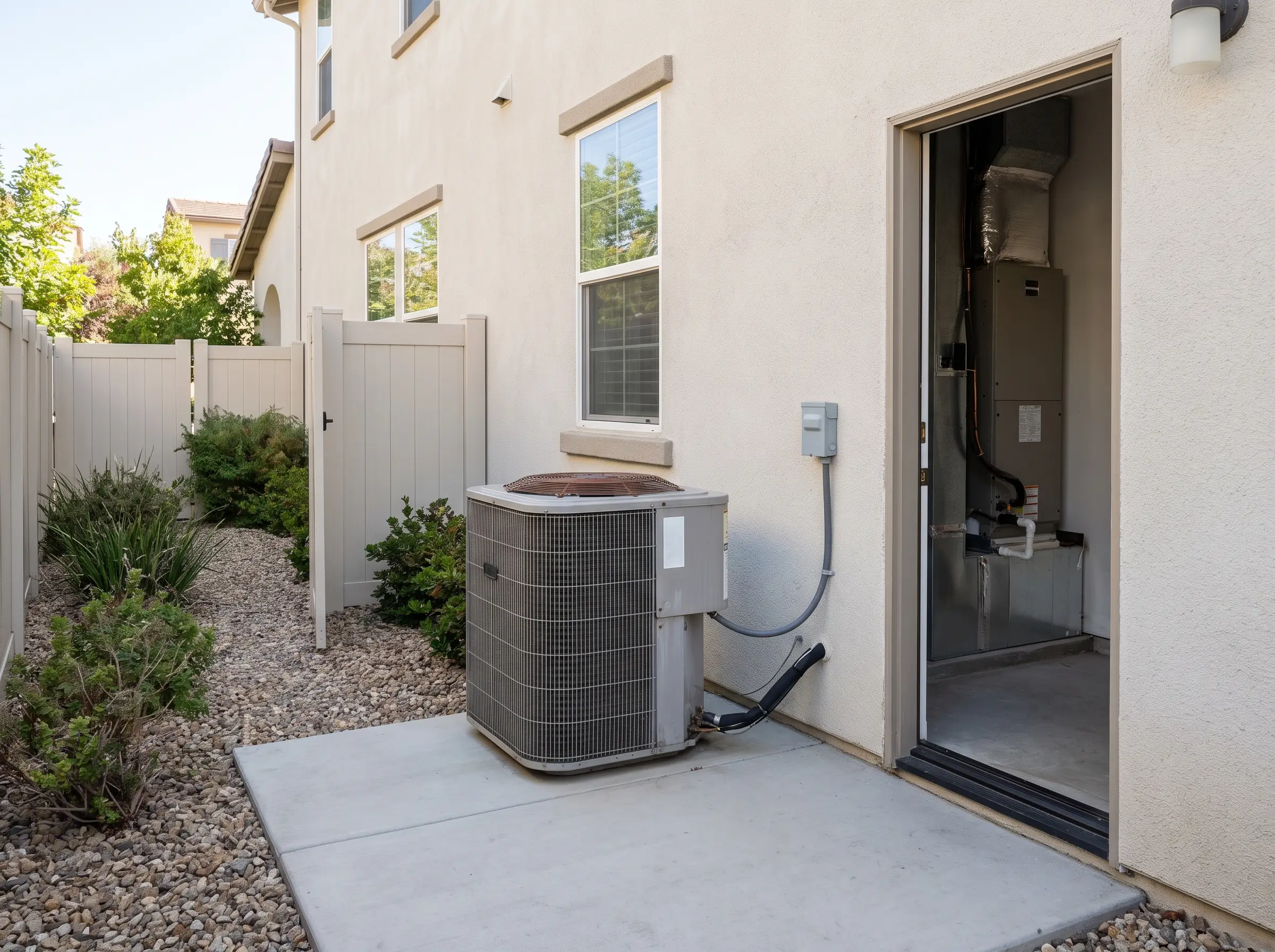
Most utility programs focus on qualifying equipment such as heat-pump HVAC, not standalone purifiers. LADWP lists rebates for eligible residential heat-pump HVAC systems, and Southern California Edison's income-qualified Energy Savings Assistance Program may cover HVAC filters for eligible households. Eligibility depends on your address, utility account, equipment, and funding status, and programs change. Check the program page before you buy or schedule.
LADWP Consumer Rebate Program · SCE Energy Savings Assistance Program
Who this is for
Residential and commercial air quality work
- Single-family homes
- Condos and townhomes
- Older homes and additions
- Apartment communities
- Offices and retail
- Restaurants, salons, and gyms
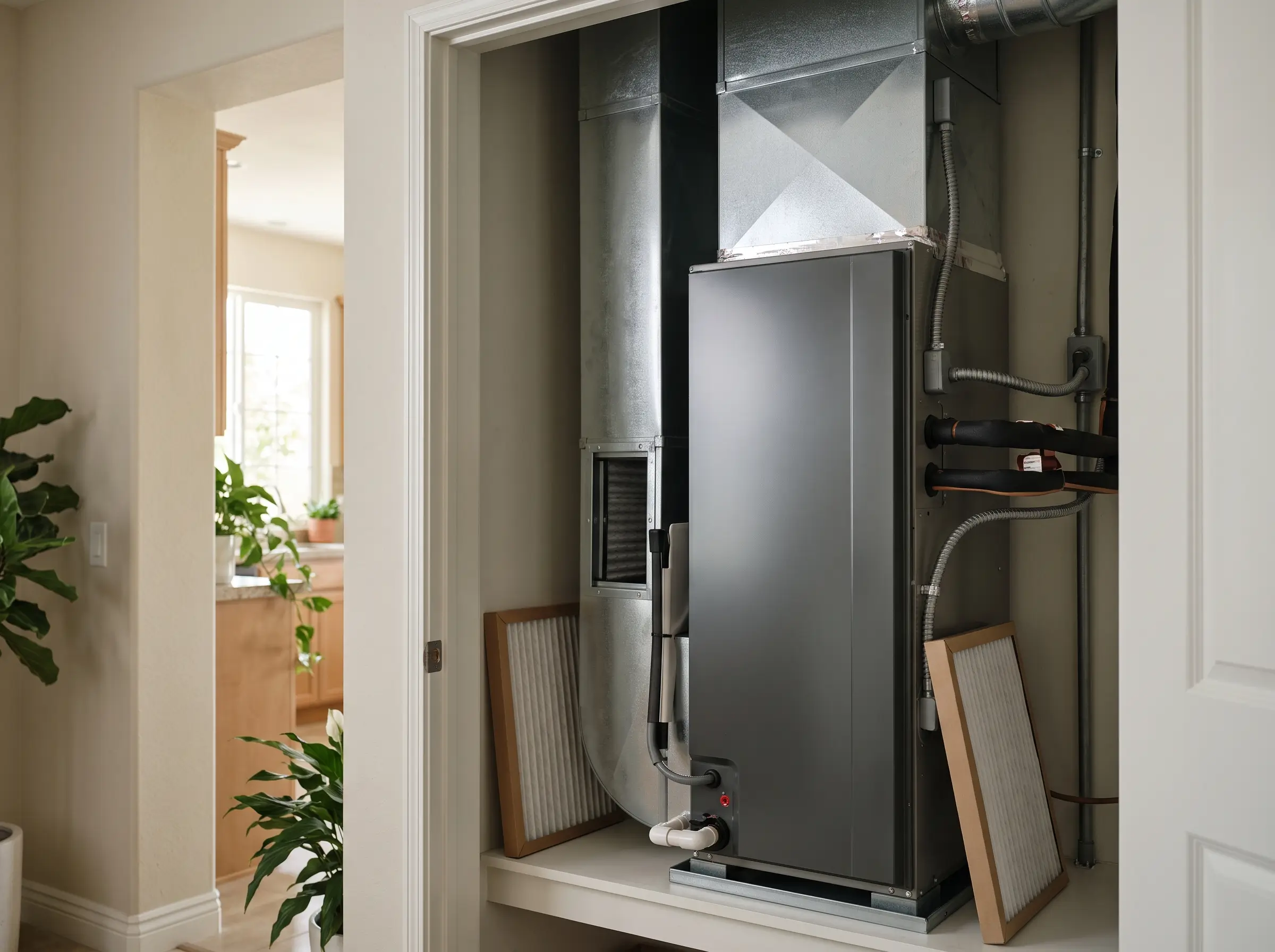
Older homes and additions may need an airflow and equipment-compatibility review before a filter upgrade. Ductless-only homes need a filtration plan for each indoor head and occupied zone. Condos and townhomes can involve HOA approval, shared walls, limited equipment access, and exhaust routing. Newer homes may have mechanical ventilation and controls that need to be understood before anything changes. Offices and retail need a review of the real mechanical design and occupancy. Restaurants, salons, and gyms often need source capture and code-required ventilation first, with filtration as one part of a larger design. Commercial HVAC · Residential HVAC
Where we work
Indoor air quality across Southern California
Southern California is not one climate. South Coast AQMD covers all of Orange County and major parts of Los Angeles, Riverside, and San Bernardino Counties, and describes the South Coast Air Basin as having some of the worst air quality in the U.S. Daytime sea breezes can carry pollutants from the coast toward inland valleys.
Outdoor air explains why the question comes up. It does not tell a technician what is wrong with your system. We assess the property and the equipment, not the ZIP code.

Los Angeles County
Air quality service in LA County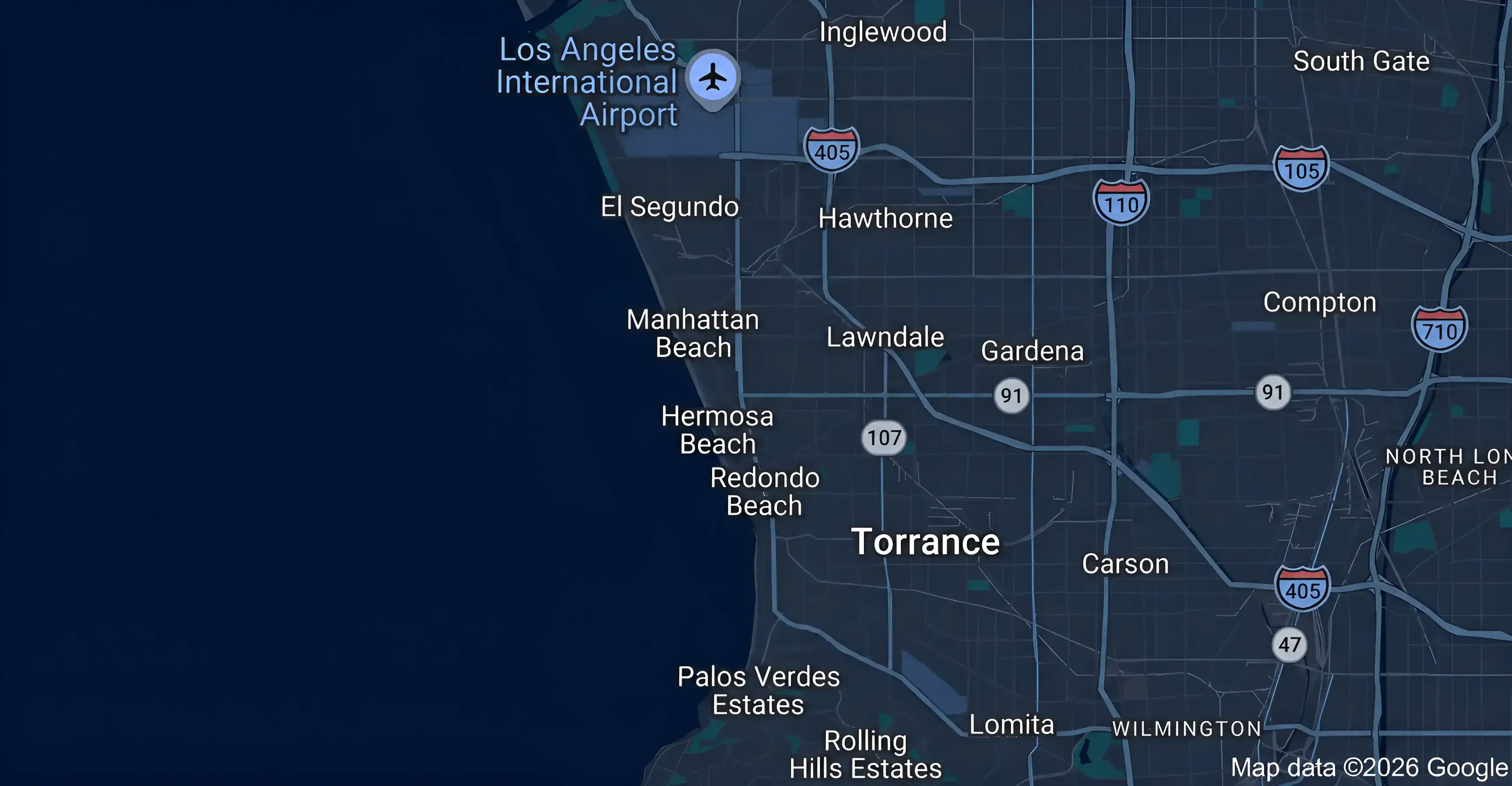
South Bay
Air quality service in South Bay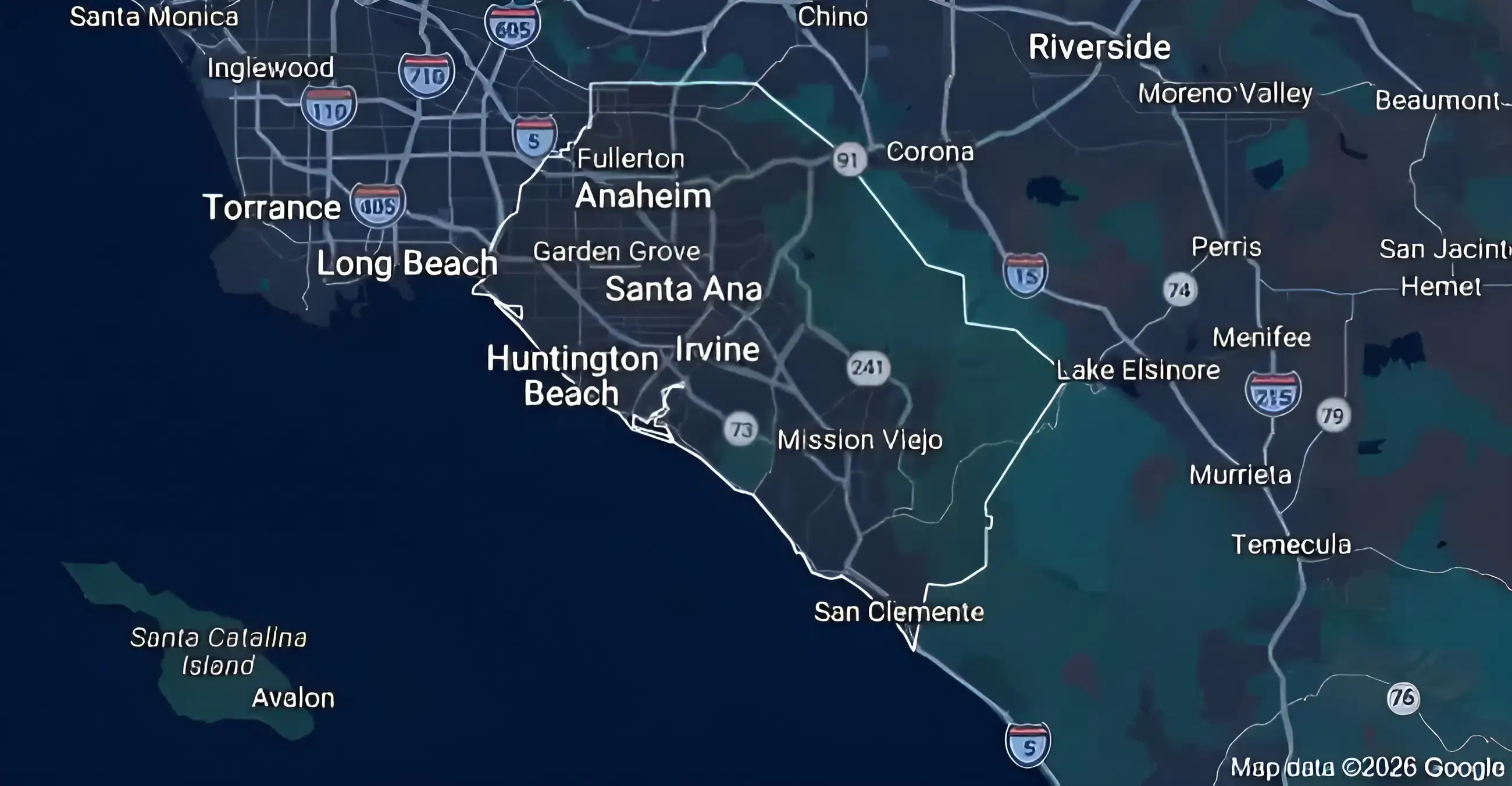
Orange County
Air quality service in Orange County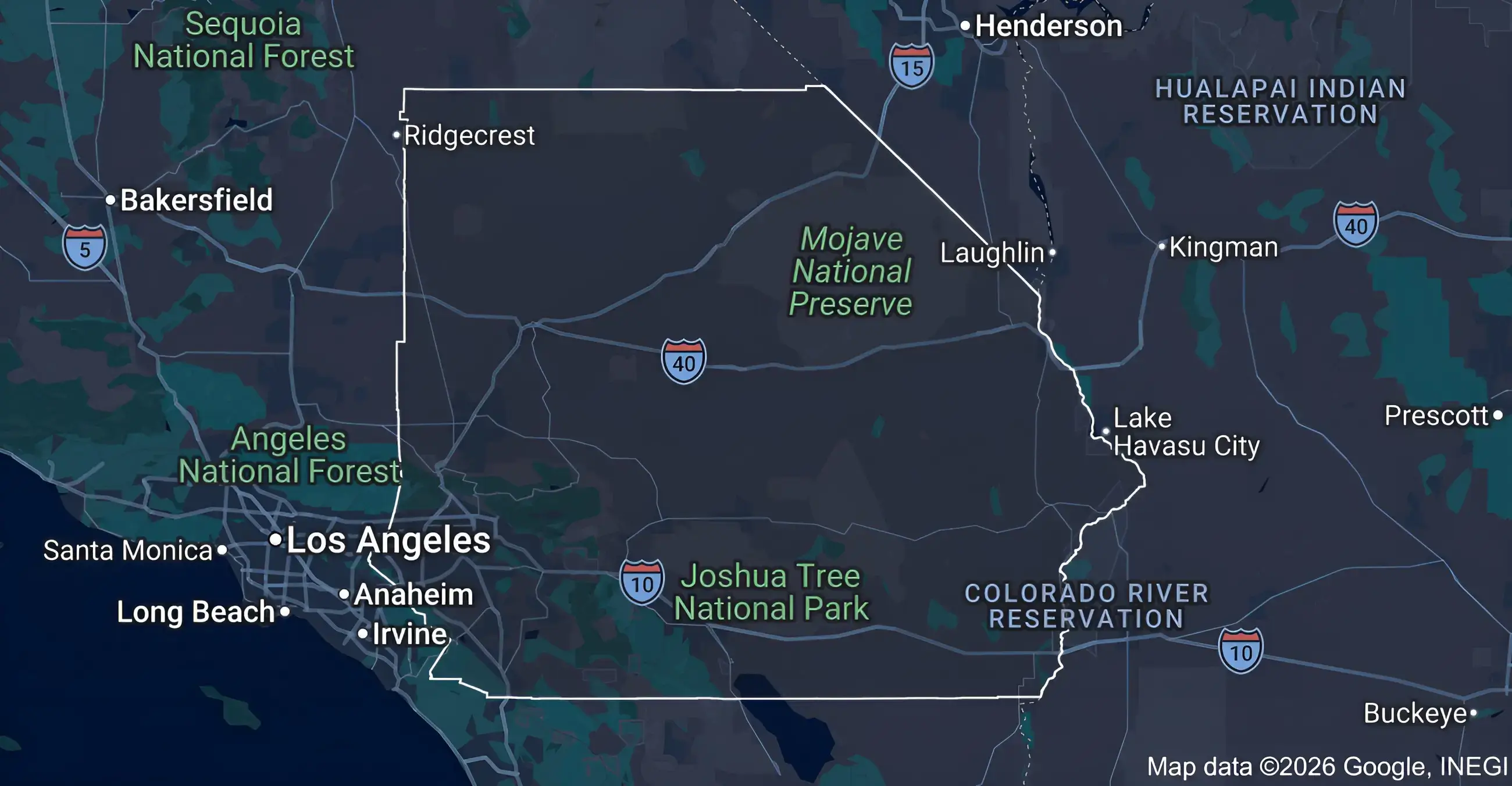
Inland Empire
Air quality service in Inland EmpireDon't see your city? Call us and we will confirm coverage.
Why AIRPRO SOLUTIONS
Diagnosis first, equipment second
You get written options that separate required fixes from optional upgrades, so you can decide what to do next.
Related
Explore related services
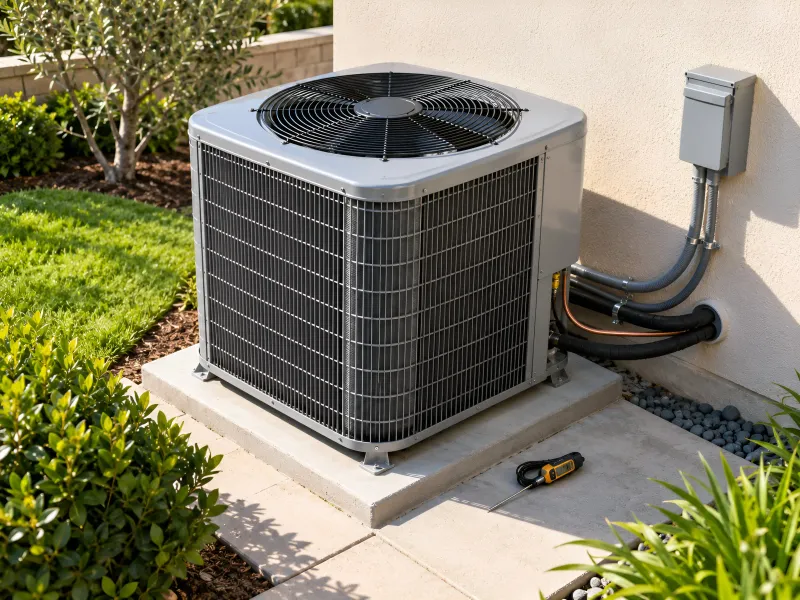
AC Maintenance
A pre-season tune-up checks controls, electrical connections, coils, the condensate drain, and airflow so small problems can be found early.
View service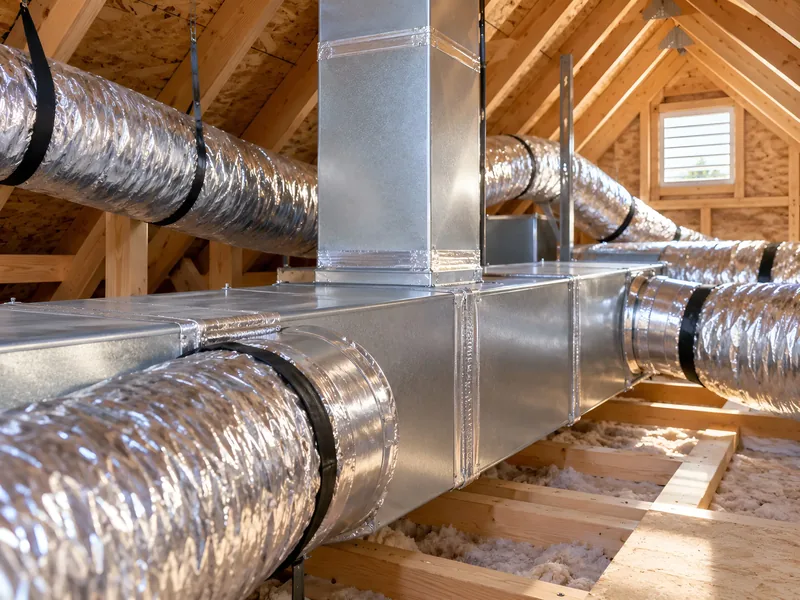
Ductwork
Duct inspection, sealing, repair, and design for uneven airflow, energy loss, and air quality issues.
View service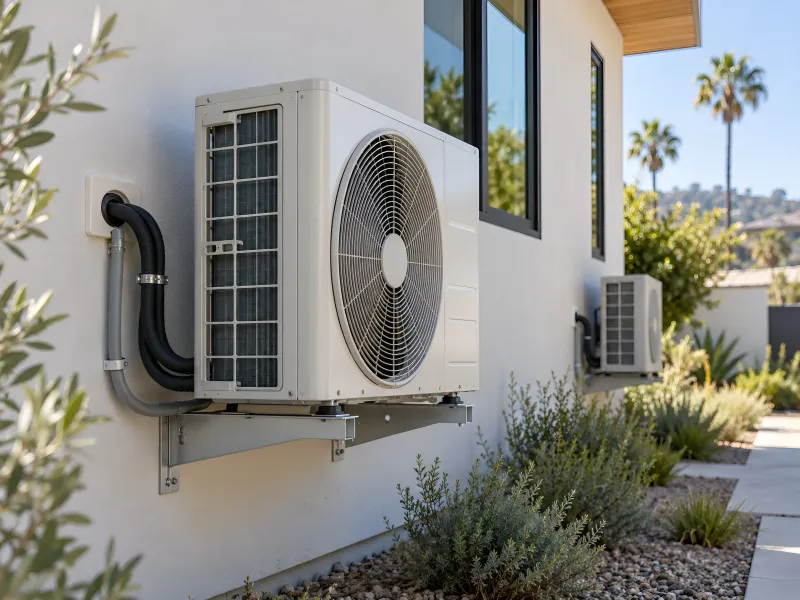
Heat Pump Services
Installation, repair, and maintenance for heat pump systems that handle both heating and cooling.
View service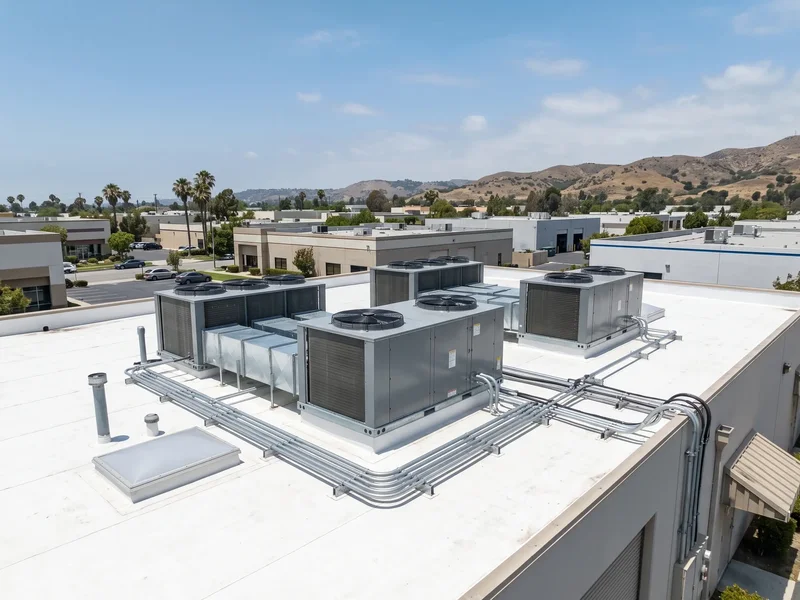
Commercial HVAC
Repair, replacement, and maintenance agreements for commercial buildings.
View serviceMore on this topic: AC repair · AC installation · Heating repair and furnace service · Furnace installation and blower compatibility · Ductless mini-split · Emergency HVAC
Direct answers
Indoor air quality questions Southern Californians ask
What is indoor air quality service?
It is an HVAC visit that evaluates and improves what affects the air inside a building. That includes particle filtration, ventilation, humidity, odors, ducts, and how the system runs. The EPA names source control, ventilation, and air cleaning as the main ways to reduce indoor pollution.
Can a better HVAC filter improve indoor air quality?
It can reduce airborne particles if the filter fits your system. The EPA recommends MERV 13 or better, or the most efficient filter the system can accommodate, to reduce fine particles during smoke events. Routine filter changes matter too.
Can every AC or furnace use a MERV 13 filter?
No, not automatically. Compatibility depends on the equipment, blower capacity, filter slot or cabinet, duct design, and pressure drop. A technician should assess the actual system before you upgrade.
What is the difference between an air filter and an air purifier?
An HVAC filter captures particles as air passes through the system. A purifier can mean several technologies, including duct-integrated devices and portable units, and performance depends on the technology, installation, airflow, and pollutant. A portable cleaner should be sized for the room and should not produce ozone.
Do whole-home air purifiers work during wildfire smoke?
They can be part of a smoke plan if the system is well designed and maintained. The EPA also recommends keeping windows and doors closed, using recirculation or closing outdoor intakes where the system has them, and using high-efficiency filtration or a correctly sized portable cleaner.
Should I run my HVAC system during a wildfire smoke event?
Set it to recirculate or close the outdoor-air intake damper if your system has one. The EPA advises using the most efficient filter your system can hold and replacing it more often during heavy smoke.
Does a UV light solve mold or air-quality problems?
Not as a standalone fix. A UV product's performance depends on the model, placement, exposure time, airflow, upkeep, and the underlying moisture source. Visible growth, persistent moisture, or suspected contamination needs a source investigation and may need specialized remediation.
Do I need duct cleaning to improve indoor air quality?
Not necessarily. Duct cleaning can fit when an inspection finds accumulated debris or contamination. Filtration, duct leakage, moisture, ventilation, and indoor sources are separate issues, and an inspection should tell cleaning apart from repair or design work.
What humidity level is best indoors?
The EPA advises keeping relative humidity below 60 percent, ideally between 30 and 50 percent. Humidity that stays high is a moisture-source question as well as an equipment one.
How much does a whole-home air purifier cost?
System type, home size, compatibility, and installation complexity all move the price, so an on-site quote is needed.
Get your indoor air quality question answered
Call us or request service online.